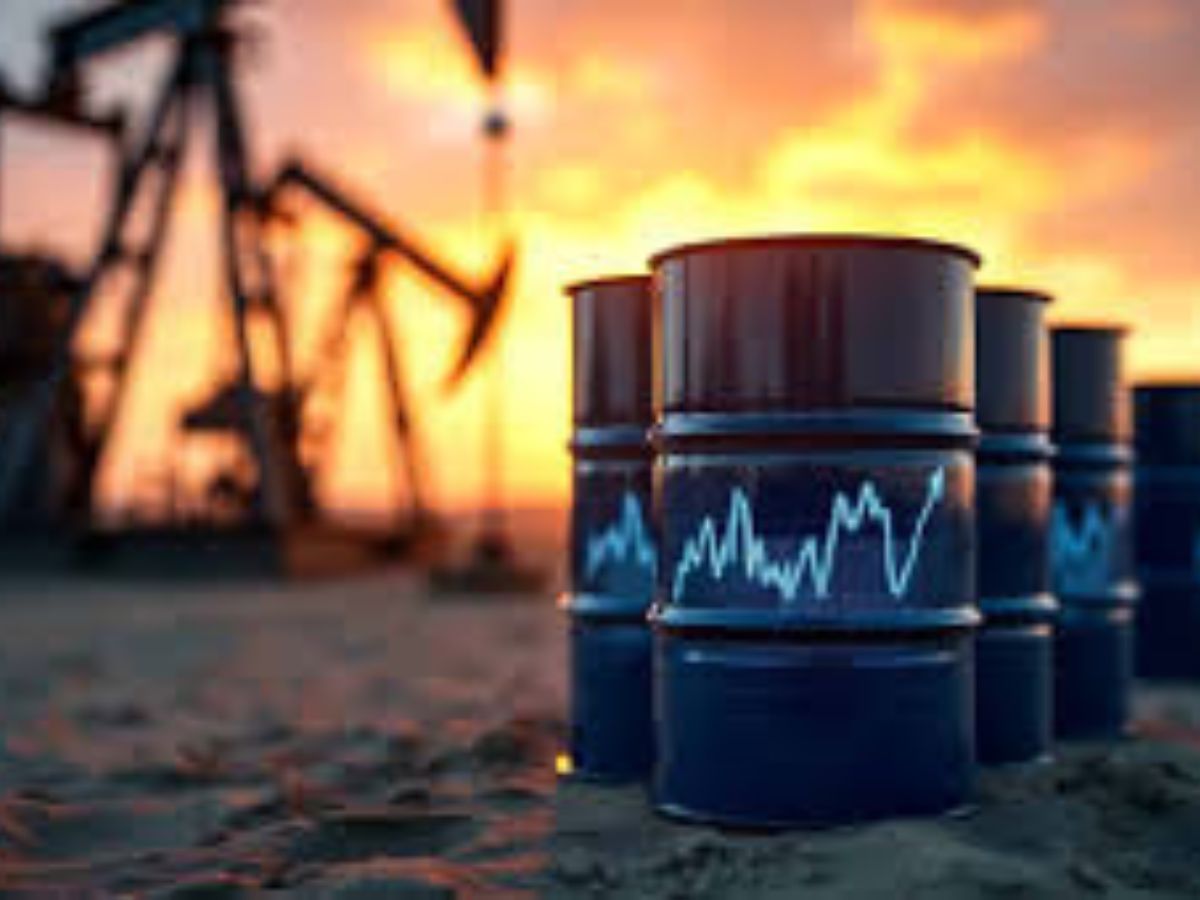
Crude oil, by common assent the lifeblood of the world’s economy, is today caught in the midst of extreme volatility, specially in the recent global turmoil of events. With prices oscillating from $64.83 to $71.49 per barrel in recent weeks, markets are in a whirlpool of factors, geopolitical tensions, changing demands, production plans, and dominant speculative forces, reshaping the stakes for producers, consumers, and investors alike.

Drivers Behind Current Volatility
- Geopolitical Instability and Supply Disruptions: Recent tensions in the Middle East, including Israeli strikes against Iranian facilities in June 2025, have triggered instant price jumps. Brent crude, for example, rose by up to 11% in a matter of days as traders factored in the danger to critical transport routes such as the Strait of Hormuz, which carries almost 20% of the world’s oil. Russian oil sanctions keep redrawing world trade patterns, Russian crude being sent at discounts to Asian consumers. At the same time, Western countries scramble for alternative providers, increasing price uncertainty.
- OPEC+ and Producer Strategies: OPEC+’s decisions on production are having a disproportionate impact, with disputes and surprise hikes, like Saudi Arabia’s recent output increase producing sharp price fluctuations and challenging the unity of the group. Higher production has frequently cancelled out the fears of low inventories, drawing prices down even in the face of geopolitical tensions.
- Trade and Tariff Uncertainties: Trade wars and tariff rumours are reverberating through commodity markets. New or prospective tariffs by large economies such as on oil and associated inputs, can suppress demand expectations or induce stockpiling, both contributing to price whipsaws.
- Economic Policy and Currency Movements: The dollar’s strength or weakness actually changes oil prices. If the dollar appreciates, oil is cheaper for non-US consumers, usually modestly holding prices in check. A weakening dollar, on the other hand, strengthens crude in international markets.
The Global Stakes
- Oil Producers: Unstable oil prices translate into unpredictable government revenues, particularly for countries that depend significantly on oil exports. Fiscal planning and social expenditures become more difficult, threatening budget deficits or sudden spending reductions when prices decline.
- Oil-Importing Countries: For major importers, rising oil prices drive up costs in transportation and industry, leading to inflation and possibly dampening growth. Developing economies are most exposed to such shocks.
- Investors and Markets: Erratic oil flows interfere with business and investment planning, with capital expenditures in the energy industry extremely responsive to price signals. Oil spikes prompt swift stock market reactions, while speculative exchange can magnify volatility even more.
- Global Economy: Both sudden spikes and crashes in the price of oil can fuel global economic instability, leading to recessions or inflation overheating depending on change direction and persistence.
Outlook and Mitigation
Experts expect sustained volatility up to 2025, with Brent to fluctuate around $68–70 per barrel as a result of geopolitical tensions and increasing OPEC+ production. Yet, the potential for further strife, disruptions, or sudden policy changes could radically alter this scenario in either direction.
For governments and businesses, hedging tactics, sound reserves, and nimble policymaking are as important as ever. For consumers and investors, increased vigilance regarding the ripple impact of crude oil price fluctuations is still a must in navigating these volatile energy markets.