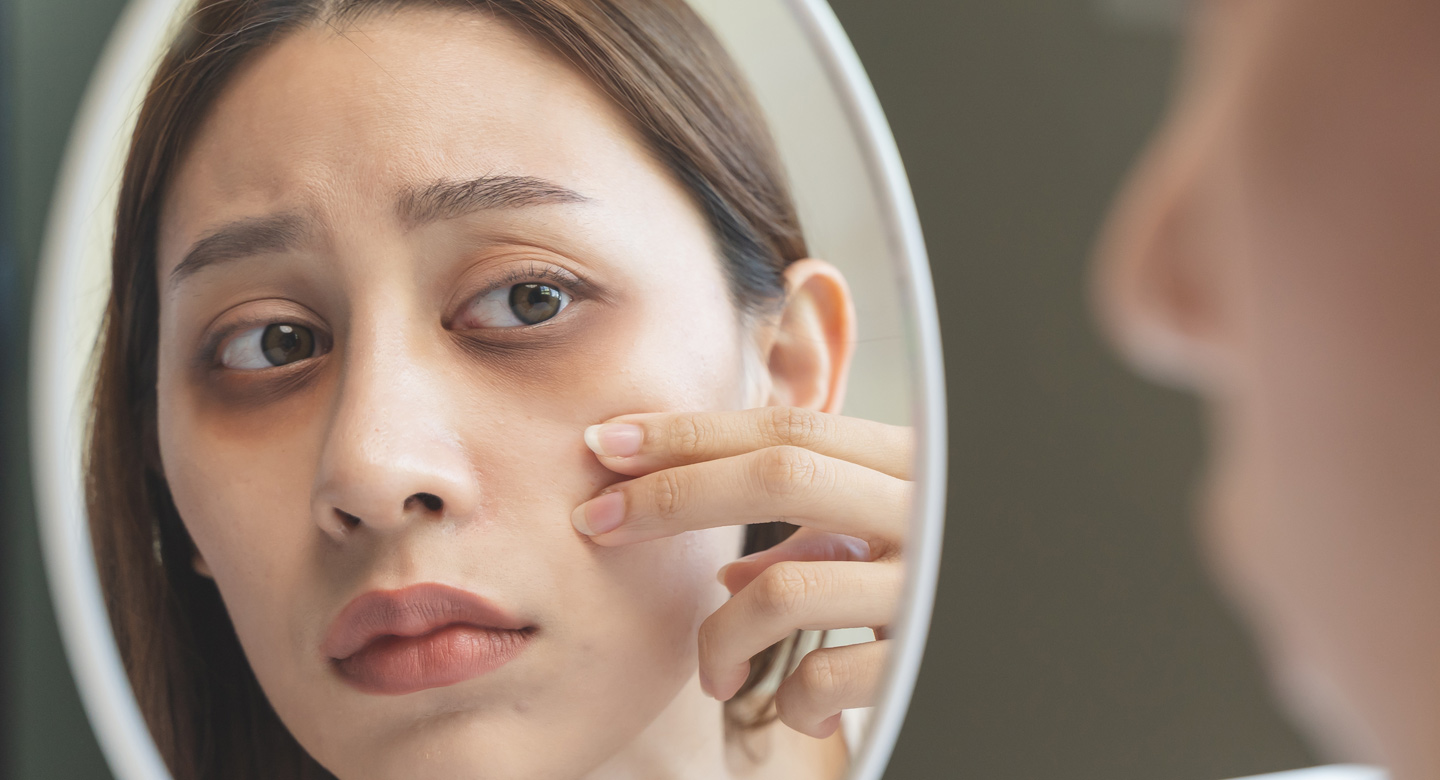
You slept eight hours. You drank water. You used the under-eye cream your friend recommended.
The dark circles are still there.
This is the frustration thousands of Bangalore residents live with daily, and the reason most over-the-counter solutions collect dust on bathroom shelves. The problem isn’t your routine. The problem is that dark circles and baggy eyes rarely have one cause. Treating them without knowing the cause is like taking a painkiller for a fracture.
Here’s what’s actually happening under your eyes, and why clinics offering dark circle treatment in Bangalore are seeing a sharp rise in patients who’ve already tried everything else.
Why Your Under-Eye Products Stop Working?
The skin under your eyes is roughly 0.5mm thick, about ten times thinner than the skin on your cheeks. This makes it the first area to show signs of:
⮚ Poor sleep and chronic stress
⮚ Dehydration and nutritional deficiencies
⮚ Sun damage and pigmentation
⮚ Volume loss as fat pads shift with age
⮚ Genetics and vascular visibility
Most creams work on surface hydration. They cannot address pigmentation sitting deeper in the dermis. They cannot restore lost volume. They cannot shrink swollen fat pads, causing puffiness.
This is why baggy eye treatment at a clinical level produces results that skincare products simply cannot replicate.
The Four Types of Dark Circles — And Why the Distinction Matters
Not all dark circles look the same because they don’t come from the same place.
Dermatologists in Bangalore typically classify them into four categories:
- Pigmented: Brown-toned discoloration caused by melanin deposits. People with South Asian skin tend to see this more often; years of sun exposure and skin inflammation leave behind pigment that no cream can fully reach.
- Vascular: That bluish or purplish tint under the eyes? That’s blood vessels sitting close to the surface. It shows up more when you’re exhausted or when circulation slows down.
- Structural: Shadows caused by hollowness under the eye as fat volume depletes — often mistaken for pigmentation.
- Mixed: A combination of two or more of the above, which is actually the most common presentation.
Getting this diagnosis right is the entire difference between a treatment that works and months of wasted effort.
What Effective Treatment Actually Looks Like
Reputed clinics offering dark circle treatment in Bangalore build a treatment plan around the type, not just the symptom. Here’s what that looks like in practice:
- For pigmented dark circles: Chemical peels with ingredients like kojic acid or lactic acid break down melanin deposits over 4–6 sessions. Where pigmentation sits deeper in the skin, laser treatments go further—targeting those stubborn deposits precisely while leaving the surrounding tissue untouched.
- For vascular dark circles, Nd: YAG laser therapy works well here. It goes after the visible blood vessels directly. Pair that with a consistent vitamin K or retinol routine, and most people start seeing a real difference somewhere between weeks six and eight.
- For structural hollowness: Volume loss responds well to hyaluronic acid fillers placed along the tear trough. Most patients notice the difference the same day, and those results hold up comfortably for a year to a year and a half.
- For baggy eyes caused by fat prolapse: Mild to moderate puffiness often responds to radiofrequency treatments, which firm the skin and settle the swelling over a few sessions. When the fat displacement is more significant, some patients go the route of blepharoplasty—a straightforward procedure done under local anesthesia that most people recover from quickly.
What to Expect at Your First Consultation?
Walking into a clinic without knowing what to expect can feel daunting. In practice, the first consultation is mostly a conversation and a close look.
The dermatologist examines the under-eye area carefully—sometimes with skin analysis tools—and asks about your sleep, diet, stress levels, and how long you’ve had the problem. From there, they piece together what’s actually driving it. A few questions about your medical history help rule out anything systemic, like thyroid issues or low iron, before any treatment is recommended.
What comes out of that session is a plan built around your specific situation—not a standard protocol handed to everyone who walks through the door. Most Bangalore clinics offering under-eye treatments provide this consultation at no charge.
One Thing Most People Overlook
Baggy eye treatment works best when combined with basic lifestyle corrections. Dermatologists consistently flag these as the most commonly ignored factors:
Sleeping with your head slightly elevated reduces morning puffiness significantly
Sun protection under the eyes slows pigmentation from returning after treatment
Iron and Vitamin B12 deficiency are direct contributors to vascular dark circles—a simple blood test can confirm this
Addressing these alongside clinical treatment accelerates results and reduces the chances of recurrence.
Final Thoughts
Dark circles and under-eye bags are not just a cosmetic concern; they’re often your skin signaling that your body needs attention. The good news is that with the right diagnosis, effective dark circle treatment in Bangalore is more accessible and targeted than it has ever been.
If you’ve been applying products without results for more than three months, it’s worth a single consultation with a dermatologist. Thirty minutes of the right assessment can save you years of guesswork.