Bengaluru (Karnataka) [India], December 9: Thyroid nodules are a common condition that affects a significant portion of the population. While many of these nodules are benign, some may cause discomfort, difficulty swallowing, or cosmetic concerns, necessitating treatment. One of the most advanced treatments available today for thyroid nodules is Radiofrequency Ablation (RFA). This minimally invasive procedure offers several advantages over traditional surgery, providing patients in India with a less invasive option that promises quicker recovery times, minimal scarring, and excellent cosmetic outcomes.
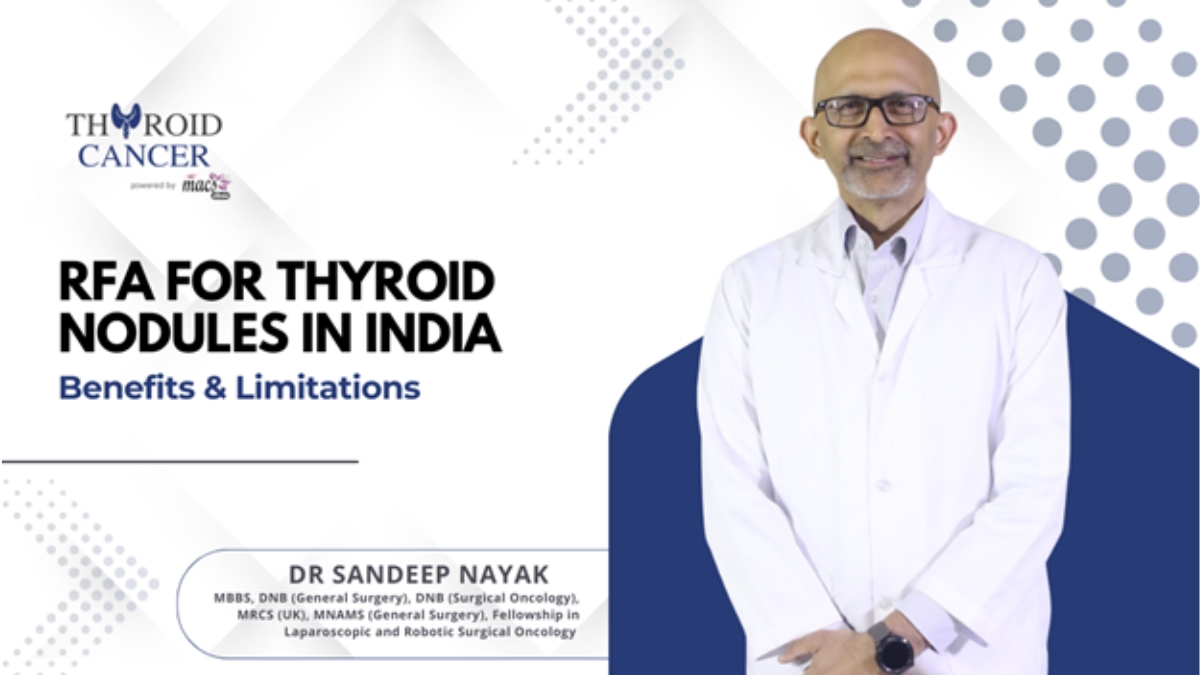
Dr. Sandeep Nayak, a renowned surgical oncologist in India, has pioneered the use of RFA for thyroid nodules, bringing this advanced treatment to patients seeking a less invasive alternative to surgery. With over two decades of experience in surgical oncology, Dr. Nayak has treated countless patients with thyroid nodules and has made significant strides in ensuring patients have access to innovative treatments like RFA. Unlike traditional thyroid surgeries, which involve large incisions and longer recovery times, RFA uses heat to shrink and destroy the thyroid nodule through small, precise punctures, allowing patients to return to their daily routines quickly.
The benefits of RFA for thyroid nodules are significant. This procedure is ideal for patients with benign, non-cancerous nodules that are causing symptoms, such as difficulty swallowing or breathing, and for those seeking an option that avoids the risks and scarring associated with traditional surgery. The procedure involves a needle that delivers radiofrequency energy to the nodule, effectively shrinking it without the need for incisions. It is performed under local anesthesia, meaning patients can go home the same day without the need for overnight hospitalization.
In addition to its minimally invasive nature, RFA also reduces the risks of complications often associated with traditional surgery, such as bleeding and infection. One of the most significant advantages of RFA is the reduced scarring. Since the procedure involves only a small puncture, there is no visible scarring, which makes it an attractive option for patients concerned about cosmetic outcomes. Furthermore, recovery times are significantly faster than with conventional surgery, allowing patients to resume normal activities within a few days, rather than the weeks required for traditional surgical recovery.
However, RFA is not suitable for everyone. For patients with thyroid cancer or large nodules, traditional surgery may still be the best option. RFA is most effective for smaller benign nodules and is not recommended for nodules located in areas that make them difficult to access. Additionally, patients with certain thyroid conditions, such as hyperthyroidism, may require different treatments. A thorough consultation with an experienced surgical oncologist in India, such as Dr. Sandeep Nayak, is essential to determine whether RFA is the right choice for the patient’s unique condition and medical history.
Dr. Nayak’s approach to RFA treatment is highly personalized, ensuring that each patient’s needs are met with the most appropriate treatment. His vast experience in surgical oncology and expertise in advanced minimally invasive techniques make him one of the leading surgeons in India for thyroid treatment. His commitment to providing the highest-quality care ensures that patients achieve the best outcomes from RFA and other available treatment options.
In addition to his expertise in RFA, Dr. Nayak is a pioneer of robotic and minimally invasive surgery in India, having developed advanced robotic techniques such as RABIT and RIA-MIND for head and neck cancer surgery. His dedication to innovation in surgical oncology has made him a trusted expert in his field, and he continues to train other surgeons in these advanced techniques through the Fellowship in Minimal Access Surgical Oncology, a program he established in India.
At MACS Clinic and KIMS Hospitals, Dr. Nayak’s patients benefit from a multidisciplinary approach to care. These facilities are equipped with state-of-the-art technology for RFA and other advanced surgical procedures, ensuring the best possible patient outcomes. The patient experience at these clinics is centred on personalised care, with Dr. Nayak and his team focusing not only on medical treatment but also on emotional and psychological support throughout the treatment journey.
While RFA offers a less invasive option for many patients, it is essential to consider all available treatment options based on the nature of the thyroid nodule and the patient’s overall health. Dr. Nayak’s approach ensures that each patient is thoroughly evaluated to determine the most appropriate course of treatment. Whether through RFA, robotic thyroidectomy, or another method, Dr. Nayak’s goal is always to provide the most effective and least invasive treatment, with a focus on faster recovery and better outcomes.
For patients seeking treatment for thyroid nodules, Dr Sandeep Nayak offers expert consultation and personalised care. By using advanced technologies like RFA, along with his deep expertise in minimally invasive surgery, Dr Nayak is setting new standards in thyroid treatment.
If you are considering RFA or other treatment options for thyroid nodules, it is crucial to consult with an experienced surgical oncologist who can guide you through the decision-making process. Dr. Nayak’s comprehensive approach to care ensures that patients receive the highest quality treatment tailored to their individual needs.
Contact Information:
MACS Clinic
No. 96/A /9/1, 42nd Cross, 3rd Main, 8th Block, Jayanagar, Bengaluru – 560 070
+91-9482202240
www.macsforcancer.com
KIMS Hospitals – Mahadevapura
Survey No. 36/5, Outer Ring Road, Doddanekkundi, Mahadevapura, K.R. Puram Hobli, Bengaluru, Karnataka – 560037
KIMS Hospitals – Electronic City
Survey No. 37 & 38, PES University EC Campus, Hosur Road, Konappana Agrahara, Electronic City, Bengaluru, Karnataka – 560100
Disclaimer: This press release is for general information purposes only and should not be construed as professional medical advice. Always consult a doctor before taking any decisions.