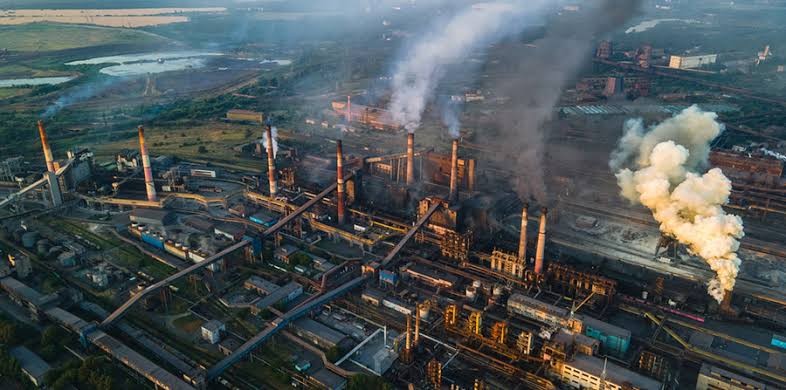
Setting an emissions target gives an industrial business a destination, but it does not explain how to reach it. Companies must decide which processes to improve, which technologies to adopt, and where limited budgets can create the greatest impact. These decisions become more difficult when production continuity and energy reliability must remain protected.
This is why many leaders ask, “How do industrial decarbonization consulting services help businesses meet their emissions goals?” Consultants provide the technical, operational, and financial direction needed to turn industrial decarbonization targets into manageable projects. Let’s look at how they accelerate progress at each stage.
How Do Industrial Decarbonization Consulting Services Help?
Industrial decarbonization consulting services assess current emissions, identify high-impact reduction opportunities, develop phased roadmaps, and guide implementation. They help businesses make faster, evidence-led decisions while keeping each project connected to wider sustainability and operational goals.
Here are three ways consultants establish the right direction:
- Establishing an Emissions Baseline
Consultants review energy consumption, production processes, equipment performance, and emissions sources across facilities. This assessment shows where the largest emissions arise and creates a reliable baseline for measuring future progress.
- Identifying Relevant Opportunities
The assessment may reveal opportunities involving energy efficiency, electrification, renewable energy, automation, alternative feedstocks, or process improvements. Consultants determine which options suit the business instead of applying the same industrial decarbonization approach to every facility.
- Defining Measurable Targets
Consultants convert broad commitments into measurable targets for individual sites, systems, or processes. Clear performance indicators allow leadership teams to understand what each initiative should achieve and how it contributes to the overall goal.
Consulting Builds a Practical Decarbonization Roadmap
Once the opportunities are understood, consulting services arrange them into a realistic sequence. This keeps businesses from investing in isolated projects that deliver limited value or create integration challenges later.
A practical roadmap usually covers five areas:
- Project Prioritization
Consultants compare projects according to their emissions-reduction potential, cost, technical feasibility, and implementation time. Businesses can then begin with high-impact improvements while preparing for more complex upgrades.
- Technology Evaluation
Specialists assess technologies against existing infrastructure, production requirements, scalability, and energy needs. This helps businesses choose solutions that support industrial decarbonization without compromising operational reliability.
- Financial Planning
Each initiative is examined for capital requirements, operating costs, potential energy savings, and expected returns. This commercial view helps decision-makers allocate budgets with greater confidence.
- Phased Implementation
Consultants divide the roadmap into short-, medium-, and long-term actions. Each phase can have defined responsibilities, budgets, deadlines, and expected outcomes, making complex programs easier to manage.
- Risk Preparation
Potential challenges such as production disruption, infrastructure limitations, skill gaps, or technology integration are considered before implementation. Early planning reduces delays and improves project readiness.
Consulting Keeps Implementation on Track
Consulting support continues after the roadmap is approved. Specialists help coordinate execution, review results, and adjust the strategy when operating conditions or business priorities change.
Three forms of support help maintain momentum:
- Coordinating Multiple Stakeholders
Industrial decarbonization may involve operations teams, finance leaders, sustainability specialists, technology providers, and facility managers. Consultants align these groups around common responsibilities and delivery timelines.
- Monitoring Actual Performance
Digital monitoring and energy management systems can track energy consumption, equipment performance, and emissions. Consultants compare these results with expected outcomes to determine whether projects are producing meaningful improvements.
- Improving the Strategy Continuously
Performance data may reveal new efficiency gaps or show that an initiative needs adjustment. Consultants use these findings to refine future projects, helping the industrial decarbonization program remain responsive and results-focused.
Turn Decarbonization Targets Into Measurable Progress
Consulting services accelerate industrial decarbonization by giving businesses a clearer starting point, a practical sequence of investments, and consistent support during execution. This reduces uncertainty and helps every initiative contribute to a defined environmental and operational outcome.
By collaborating with a reputable electric brand, industrial businesses can combine strategic guidance with suitable technologies and implementation expertise. The result is a coordinated transition that supports emissions reduction while protecting production continuity, financial priorities, and long-term performance.