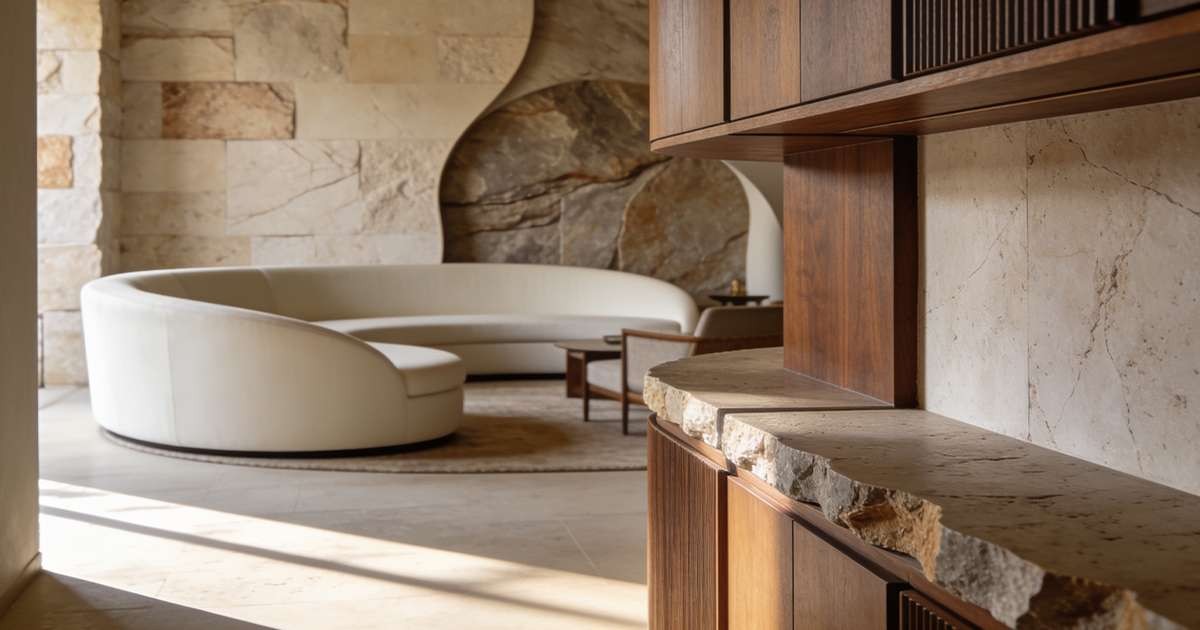
For Arpita Subbaiah of IMARAA, the conversation with clients now begins below the surface with what a home is made of, before what it looks like.
For much of the past decade, a first meeting between a homeowner and one of the many interior designers in Bangalore tended to follow a familiar order. Reference images came out, a palette was agreed, and the question of what lay behind the finish the boards, the adhesives, the substrate under the stone was quietly left to the contractor.
At IMARAA, a studio on Embassy Golf Links Road in Domlur, founder Arpita Subbaiah has noticed that order loosening. Clients still arrive with images. But more of them now ask, early on, what their walls will be built from, and what they will be breathing once the work is done.
“People have started to see a home as something they live inside, not just something they look at,” says Subbaiah. “Once you think of it that way, the material question comes first.”
WHAT SITS BEHIND THE FINISH
IMARAA’s practice is built around that question. The studio’s philosophy Sustainable Design. Conscious Luxury. Inspired Living. is applied less as a line on a brochure than as a specification. Partitions and ceilings use calcium silicate boards, which are recyclable and fire-resistant. Joinery is bonded with low-VOC, biodegradable adhesives, chosen to keep a newly finished room free of the solvent smell many homeowners have come to accept as normal.
None of this is visible once a project is complete. That, Subbaiah suggests, is rather the point.
“The most considered decisions in a home are often the ones no one will ever see. They simply make the space healthier to live in, year after year.”
LISTENING BEFORE DRAWING
The studio’s process begins with conversation rather than concepts. Before a layout is drawn, the team spends time understanding how a household actually moves through its day — who cooks, where the light falls at breakfast, which rooms are lived in and which are kept for guests. IMARAA works across turnkey interiors, renovation and design commissions, and the sequence holds across all three.
“A brief tells you what someone wants. Listening tells you how they live,” Subbaiah says. “The second is what a home has to be designed around.”
THE LAST LAYER
If IMARAA’s work begins below the surface, it ends with the smallest objects in the room. Styling is treated as part of the design rather than an afterthought: the ceramics on an open shelf, the crockery behind a glass-fronted cabinet, the way a few pieces are grouped on a console. Artisan-made pieces are favoured not as decoration, but as things a household handles every day.
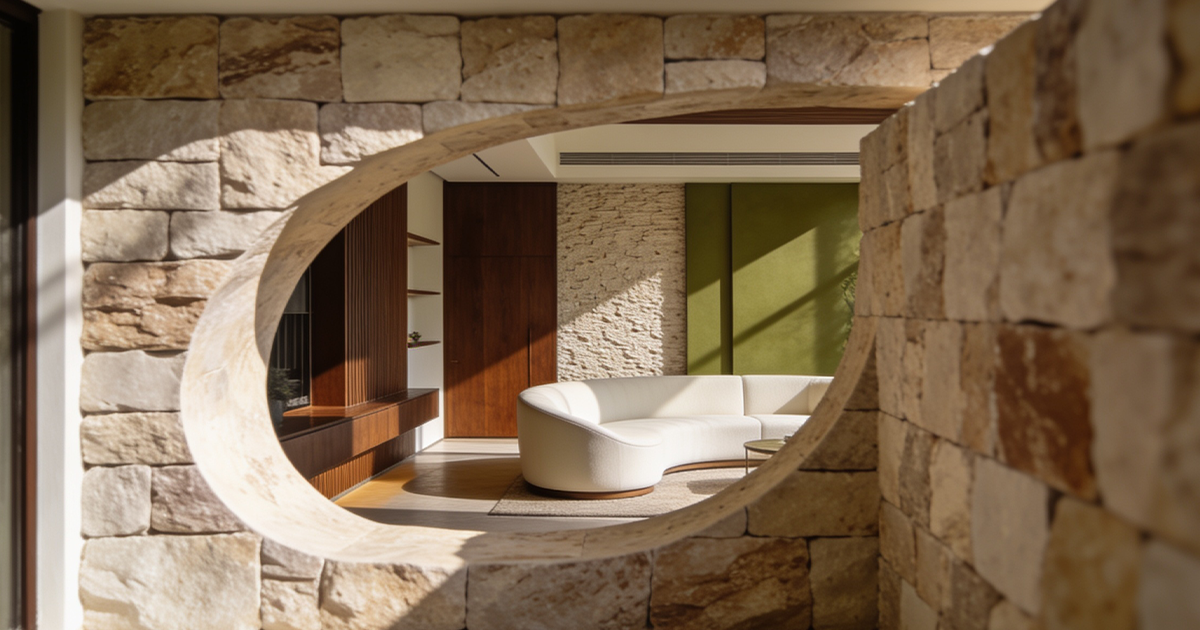
“A home isn’t finished when the furniture arrives,” she says. “It’s finished when every shelf and every cup has been thought about. That is where people feel the care.”
It is a view of luxury that has less to do with statement pieces than with consistency the same attention given to what is hidden in the walls as to what is set on the table.
A QUIETER KIND OF LUXURY
Homeowners comparing interior designers in Bangalore today have more choice than at any point in the city’s recent history. What distinguishes the more considered practices, Subbaiah believes, is less a signature look than a willingness to take responsibility for the whole of a home its materials, its rhythms and its details.
“Good design should still feel right in fifteen years,” she says. “That only happens if the choices you can’t see were made as carefully as the ones you can.”
ABOUT IMARAA
IMARAA is a luxury interior design studio in Bengaluru led by Arpita Subbaiah, Founder and CEO. Guided by the philosophy of Sustainable Design. Conscious Luxury. Inspired Living., the studio offers turnkey interiors, renovation and bespoke design for residential clients, with an emphasis on eco-conscious materials and considered detail.
IMARAA designs.com | contact@ IMARAA designs.com