The 2025 Bihar Assembly election is drawing attention nationwide as one of India’s most important state polls. Voting for the Bihar election was held in two phases, on November 6 and November 11, across all 243 seats, and the Election Commission has scheduled counting for November 14, the day that will decide which party or alliance forms the government. With over 7.4 crore registered voters, this election is seen as a test of governance, development, and political power in Bihar.
The early trends show that the BJP and JDU allied NDA is again going to make Bihar bloom this time with a full majority.
Nitish Kumar Constituency
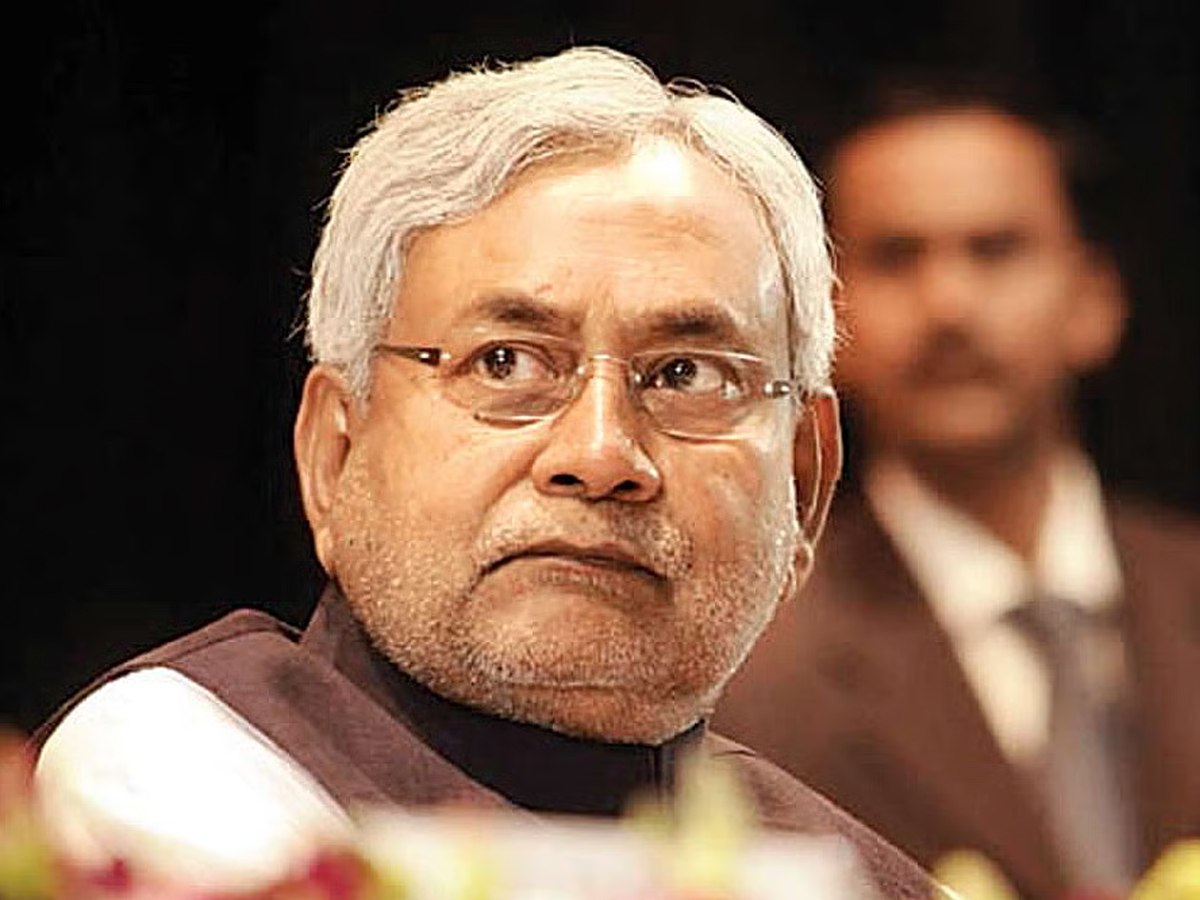
Despite being Bihar’s longest-serving Chief Minister, Nitish Kumar is not contesting any assembly seat in 2025. His last membership in the Bihar Assembly was in 1985, and though he contested in 1995 from Harnaut, he focused on national politics instead. Since then, he has consistently chosen the Legislative Council route to remain in office.
Bihar is one of the few Indian states with a bicameral legislature, meaning it has both an Assembly and a Legislative Council. Entering the government via the Council allows Nitish to avoid constituency-level battles, which can be unpredictable.
He has defended this approach, saying at the Council’s centenary in January 2012, “I chose to become an MLC by choice and not because of any compulsion.” Ahead of the 2015 assembly polls, he clarified that contesting an assembly seat would “limit his focus,” showing his preference to work beyond a single constituency. His current MLC term runs until May 2030, giving him a stable platform to lead Bihar politics.
Election Counting and Political Atmosphere
As vote‑counting continues, the National Democratic Alliance (NDA) appears headed for another term in power in Bihar, with multiple prominent candidates from other blocs now trailing. Early trends show the alliance comfortably ahead — reports indicate the NDA is leading on about 190 to 200 constituencies.
The opposition Mahagathbandhan (INDIA bloc) is struggling to keep pace, with its seat leads stuck in the low‑40s.
Within the NDA, the Janata Dal (United) (JD(U)) is making significant gains under Nitish Kumar’s leadership, while the Bharatiya Janata Party (BJP) is emerging as the single‑largest party in the alliance.
If these trends hold through the later rounds of counting, the NDA is poised not just to retain power but to secure a strong majority margin — signaling a clear mandate from voters for the ruling coalition.
Nitish’s Long-Term Political Strategy
Nitish Kumar’s decision to avoid direct Assembly elections is a continuation of his long-term strategy. By relying on the Legislative Council, he maintains his authority, ensures political stability, and keeps a broad focus on state governance rather than being tied to one constituency. As the nation watches the vote counting unfold on November 14, the real question is not just who wins — but whether Nitish’s careful political strategy will continue to secure his influence in Bihar politics.