What was Ghaziabad’s Old Name? Get to Know the Name
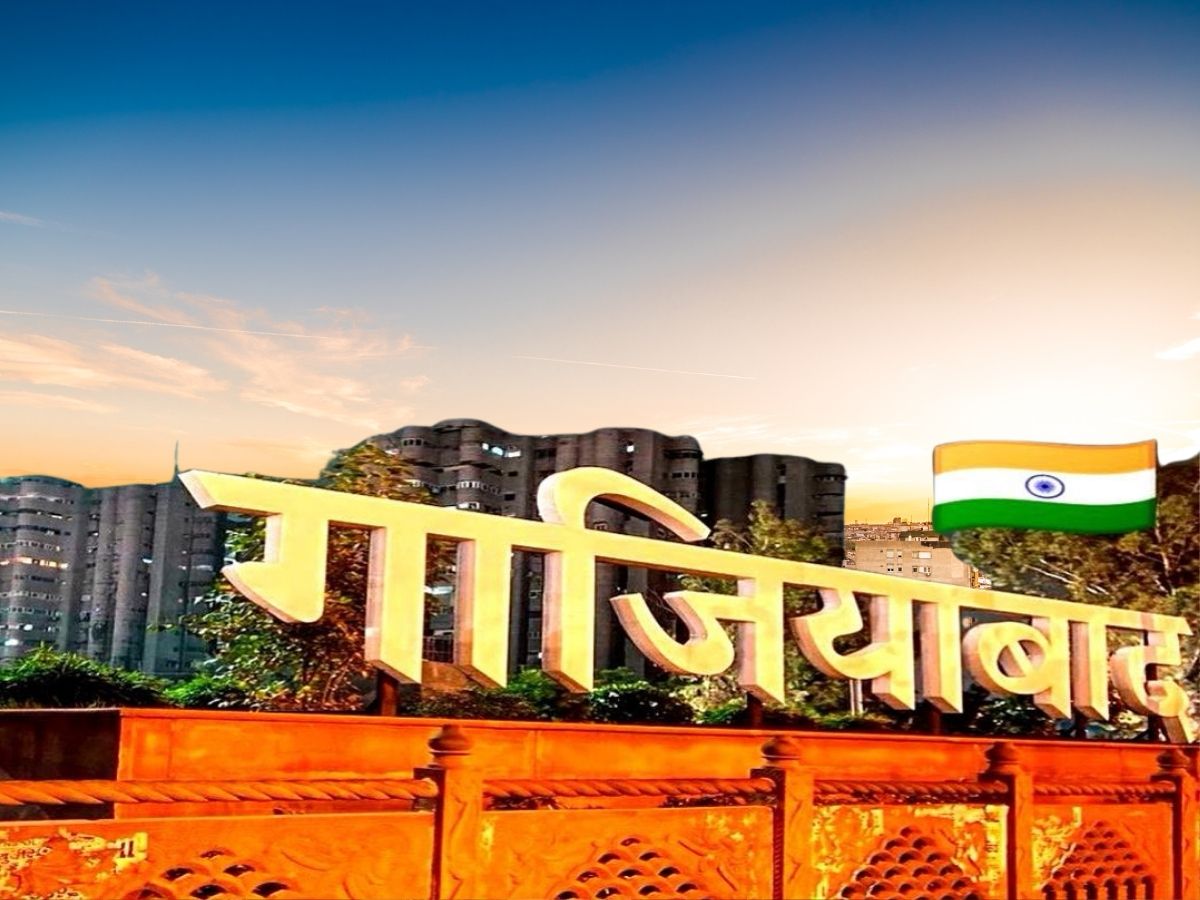
Ghaziabad, a leading industrial city of India in the state of Uttar Pradesh, wears under its new name the badge of centuries of rich history. The National Capital Region gateway we see today was named something entirely different in the past, a name that was deeply entrenched in Mughal times and which carried the aura of bygone glory.
The Original Name: Ghaziuddinnagar
The original name of Ghaziabad was Ghaziuddinnagar. This ancient name was given to the settlement in the name of its founder, Ghazi-ud-din Khan, a strong Mughal minister who founded the city in 1740. The name “Ghaziuddinnagar” means “the city of Ghazi-ud-din” literally and is in the honor of the strong minister who founded this strategic settlement on the river bank of Hindon.
ALSO READ | What is the Old Name of Delhi? Know the Name..
The Founder: Ghazi-ud-din Khan
Ghazi-ud-din Khan was a renowned wazir (minister) of the court of Mughal Emperor Ahmad Shah and then Alamgir II. He was a renowned nobleman of the Mughal era who took on important roles in administrative as well as military matters of Delhi and the areas around it. His plan to build a new township in 1740 was strategic, as he wanted to cement his grip on the area while founding a thriving town.
The founding father constructed a grand infrastructure for his new city and built a grand sarai (inn) with 120 rooms of masonry having pointed arches. The city was laid out within the enclosure of four mega gates: Dasna Gate, Sihani Gate, Delhi Gate, and Shahi Gate (which was renamed as Jawahar Gate after independence).
ALSO READ | Google Nano Banana AI: Check it’s Exciting Features..
The Transformation to Ghaziabad
The name change from Ghaziuddinnagar to Ghaziabad took place in the British colonial era through the proliferation of rail links. When the railway station was built in 1864, the original name “Ghaziuddinnagar” was reduced to “Ghaziabad” for ease. The British deemed the longer version inconvenient for railway workings and administrative affairs and therefore adopted this convenient shortening that eventually became the standard.
Historical Significance and Mughal Connection
Prior to 1740, the region was a leisure resort for Mughal emperors. The Hindon River banks here were a popular picnic site for the Mughal royal family. This association with Mughal leisure activities accentuates the natural beauty and strategic position that made it appealing for permanent settlement.
Mughal legacy can still be seen today by various historical traces found all over the city. One can still see the architectural heritage in the form of ancient gates and sections of boundary walls that remain from the initial construction. The mausoleum of Ghazi-ud-din still exists in the city, although it needs restoration.
ALSO READ | 7th Pay Commission vs 8th Pay Commission – An Analogy
From Tehsil to District
Ghaziabad’s administrative journey continued beyond its name change. For many years, it remained a tehsil under Meerut district. On November 14, 1976, Ghaziabad was officially separated from Meerut and declared an independent district of Uttar Pradesh. This elevation occurred during the tenure of Chief Minister N.D. Tiwari, coinciding with the birth anniversary of India’s first Prime Minister, Jawaharlal Nehru.
Modern Context and Rename Discussions
Notably, in recent times, there has been speculation about renaming Ghaziabad again. City officials have thought about names such as “Gajnagar” and “Harnandi Nagar,” which would link the city back to its ancient mythological past during the Mahabharata period when the region was reportedly a part of Hastinapur. These suggestions represent attempts to align city names with Hindu cultural heritage, as with the renaming of Allahabad to Prayagraj in 2018.
The evolution of Ghaziabad’s name from Ghaziuddinnagar to what it is now is a testament to the multifaceted history of Indian cities, where Mughal legacy intersects with British colonial utilitarianism and contemporary administrative requirements. The evolution parallels the wider historical pattern of Indian urban centers redefining their identity while retaining reflections of their illustrious past. Nowadays, as Ghaziabad is a beacon of industrial advancement and city growth, its original appellation reminds one of the Mughal aristocrat who conceived the first time of a boom settlement along Hindon River almost three centuries ago.