
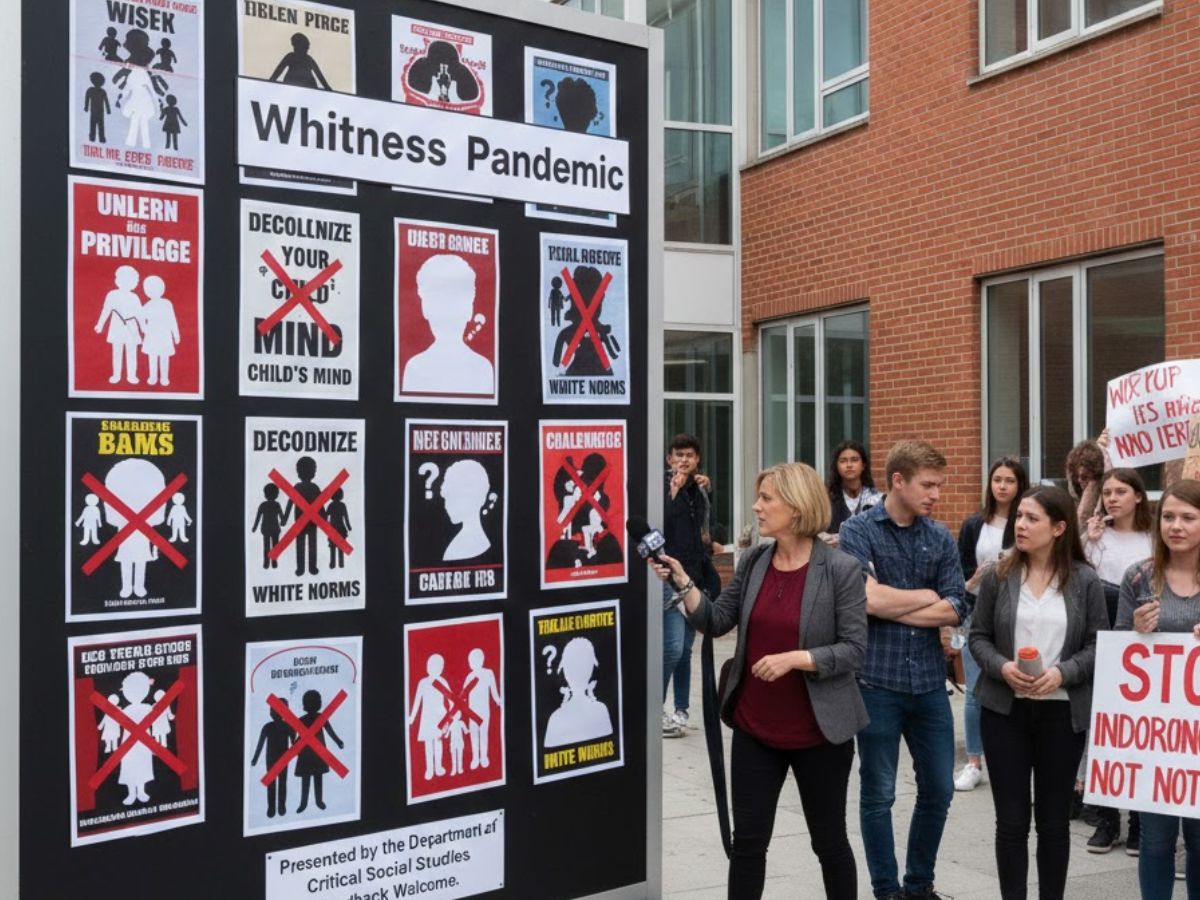
A new initiative from the University of Minnesota has triggered intense discussion across the country. The Culture and Family Lab describes “Whiteness” as a “pandemic” and urges White parents to reshape how they teach their children. Conservative groups have sharply criticised this, adding fuel to the broader debate on race and education.
What Does the ‘Whiteness Pandemic’ Project Say?
The initiative, titled “Whiteness Pandemic: Resources for Parents, Educators, and other Caregivers,” presents a specific view of racial dynamics. It clearly states that whiteness is not a biological category but a cultural system. What does this system include? The project defines it as being rooted in ideas like “color-blindness, passivity and White fragility.” It says that children in White families are taught these ideas from birth, making the family a major factor in continuing systemic racism. The site encourages White adults to keep reflecting on themselves and practice “antiracist parenting” to challenge this.
How Does the Project Justify Its ‘Pandemic’ Label?
The project’s materials make a sharp distinction between racism and whiteness. It posits that while racism is widely seen as an epidemic, whiteness is the deeper, underlying “pandemic” that drives it. The website states, “If you were born or raised in the United States, you have grown up in the Whiteness Pandemic…because of the power and privilege you hold.” The study behind the project, dedicated to George Floyd, concluded that white mothers in Minneapolis were often apathetic or overwhelmed by discussions of race. It offers resources to help White parents develop a “healthy positive White racial identity” and engage in “courageous antiracist caregiving.”
Why Are Conservative Groups So Angry?
The project’s language and conclusions have provoked significant backlash, particularly from conservative organizations. The group Parents Defending Education condemned it as “far-left programming.” Its research director, Rhyen Staley, criticized what she called “absurd ideas like ‘whiteness’” gaining academic legitimacy. Outlets like The Daily Wire have called the project unscientific and broadly accusatory. Critics say the project portrays many White Americans as part of systemic racism just by birth, which they see as pushing collective guilt. They also highlight that the study was based on a limited, largely liberal group, questioning how representative the results are.
Also Read: UK Autumn Budget 2025: How Much Does Immigration Cost the UK Per Day?
How Has the University Responded to the Criticism?
Faced with this growing controversy, the University of Minnesota has defended the work. A university spokesperson stated that the project falls under the umbrella of academic freedom. The institution supports the discussion of embedded cultural structures and has welcomed the ensuing debate. The project, which received funding from the National Institute of Mental Health, continues to be a flashpoint, highlighting the deep divisions in how American society understands and talks about race.