
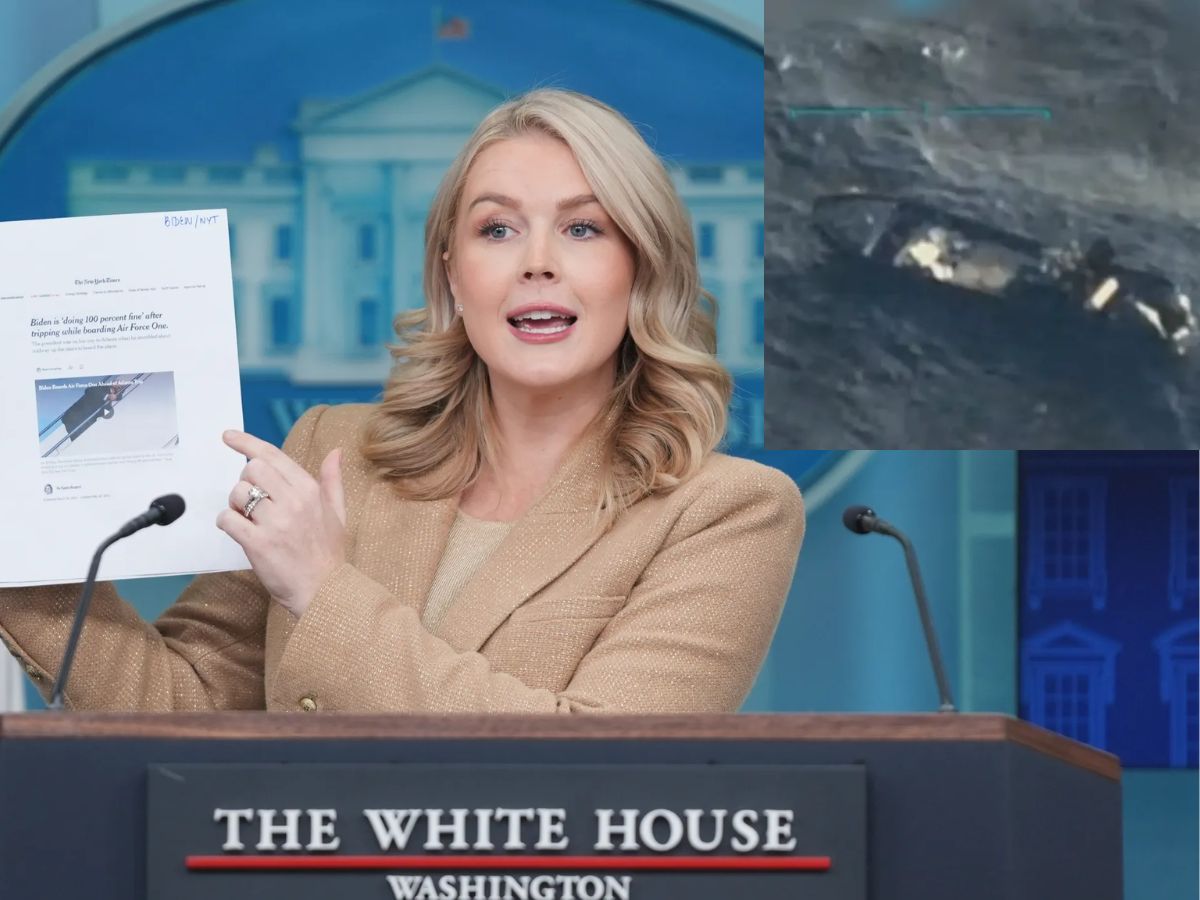
The White House has confirmed that a high-ranking U.S. admiral acted within his authority when he ordered a second, deadly strike on a Venezuelan boat in September. This statement directly addresses recent controversy over the engagement, which killed 11 people suspected of transporting illegal narcotics.
What Exactly Does the White House Say Happened?
On Monday, White House spokeswoman Karoline Leavitt provided a clear chain of command. She stated that Defense Secretary Pete Hegseth authorized Admiral Frank Bradley to conduct the “kinetic strikes.” More significantly, she defended the admiral’s decision to execute a follow-up strike after an initial attack. Leavitt asserted that Admiral Bradley “worked well within his authority and the law,” adding that the action was taken to ensure the boat was destroyed and the threat to the U.S. was “eliminated.”
Also Read: Supreme Court Skeptical of Cox’s Defense in Major Record Label Copyright Battle
How Does This Conflict with President Trump’s Comments?
The White House’s account creates a stark contradiction with the President’s own remarks. Just a day earlier, on Sunday, President Donald Trump said he would not have wanted a second strike on the vessel. He also stated that Secretary Hegseth had denied giving an order for that specific follow-up engagement. The White House clarification places the authority and decision firmly with Admiral Bradley under the Secretary’s broader authorization, standing by the military’s actions despite the President’s personal disavowal.
What Was the Reported Reason for the Second Strike?
The Washington Post earlier reported that the second strike was meant to target two people who survived the initial attack. The report said the order was to ensure everyone on the vessel was killed, calling it a compliance step. The White House does not directly confirm or reject this grim point but argues the final strike was needed to completely remove the threat from the narcotics vessel.
Also Read: Who is Rapper Toosii? 5 Facts About the Rapper Turned Syracuse Football Walk-On
What Are the Implications of This Defense?
By publicly backing Admiral Bradley, the White House is performing a delicate balancing act. It is affirming the military’s operational judgment and legal adherence in the field, even as it creates a public rift with the Commander-in-Chief’s stated preferences. This move aims to shield the Pentagon from accusations of wrongdoing while navigating the President’s contradictory narrative. The incident raises serious questions about engagement rules and the chain of command in complex, lethal operations.