
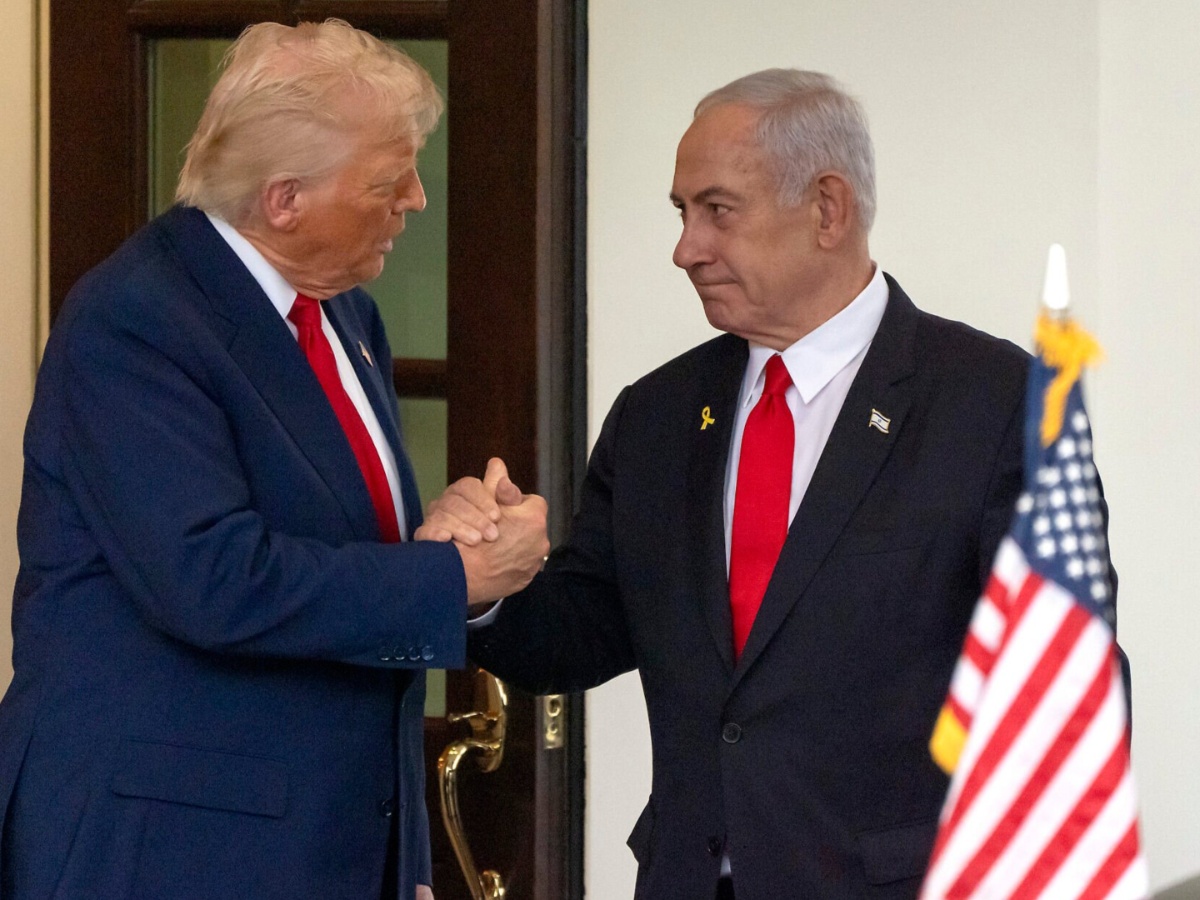
US President Donald Trump has imposed a 15% tariff on imports from Israel, despite the country having eliminated all duties on American goods earlier this year, Trump also signed the new executive order on Thursday, targeting more than 60 countries with tariffs ranging from 10% to 50%. These new rates take effect from Friday. While the White House frames the move as part of a “reciprocal” tariff strategy, the basis is not mutual tariff matching — it is trade deficit. In Israel’s case, the US recorded a $9.4 billion trade deficit, prompting the 15% tariff.
Israel Had Removed Tariffs on US Goods
In April, Israel had announced the complete removal of all tariffs on US imports. Finance Minister Bezalel Smotrich stated that the move aimed to support a zero-tariff framework between the two nations. The goal, he said, was to maintain strong trade relations with the US and ensure that Israeli goods would not face any tariffs from Washington in return.
However, this attempt to encourage duty-free exchange did not lead to reciprocal treatment. Earlier this year, Trump had set a 17% tariff on Israeli goods. The latest executive order reduces that rate to 15% — but does not eliminate it.
Trump Applies Tariff Logic on Trade Deficit
Despite Israel’s efforts, Trump’s administration has used trade deficit — not tariff equality — as the basis for imposing duties. According to the White House, countries running a trade deficit with the United States will face a 15% tariff. Those with minimal trade deficits will receive a reduced rate of 10%.
In Israel’s case, the $9.4 billion deficit put it in the 15% tariff bracket. The Trump administration did not exempt allies, and even friendly nations like Israel have been included.
No Tariff on Russia or North Korea
While many close partners have faced new tariffs, Trump has spared traditional adversaries. The latest executive order does not impose any tariff on Russia or North Korea. This omission further highlights the inconsistency in Trump’s so-called “reciprocal” approach.
Despite his rhetoric, Trump’s tariff plan applies even to countries with longstanding strategic ties to the United States. The move marks a significant shift in US trade policy and could complicate future relations with key partners like Israel.