
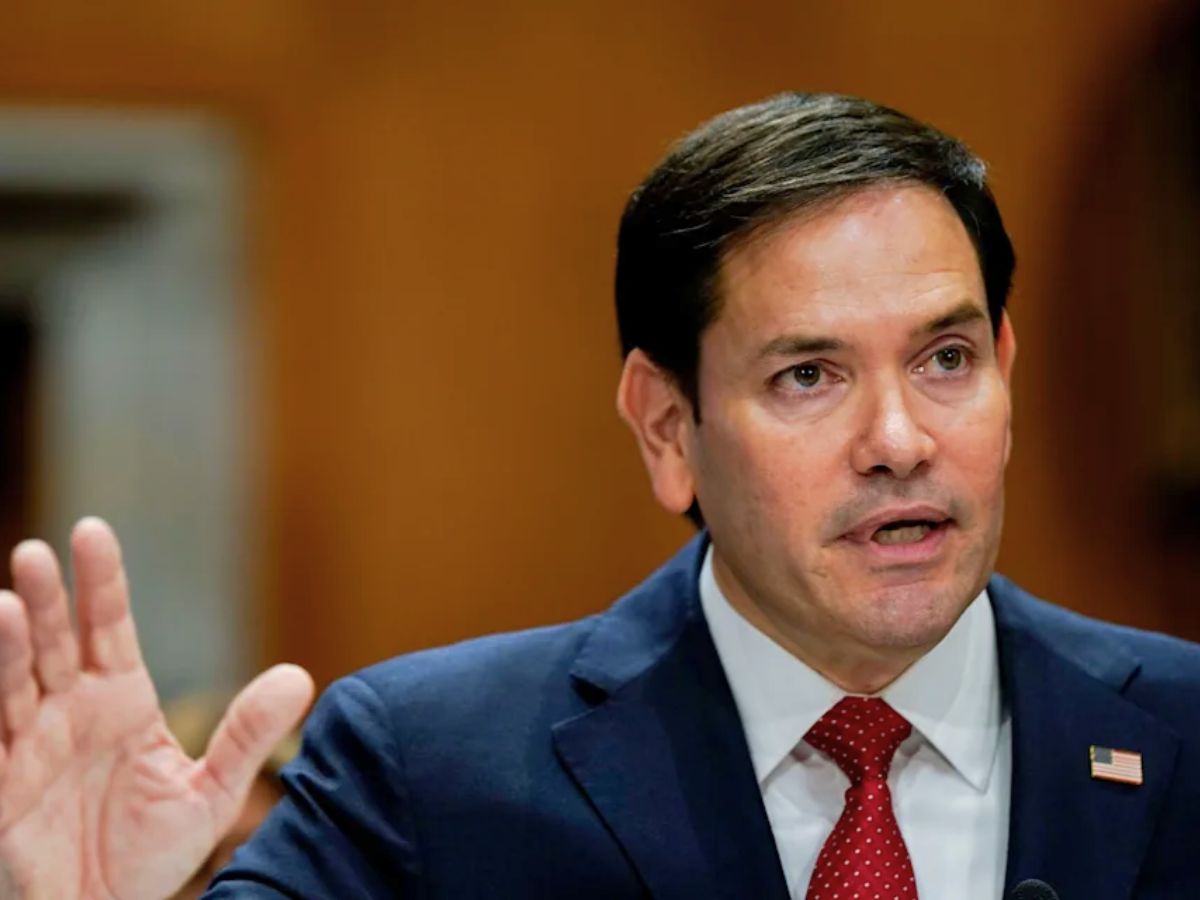
US Secretary of State Marco Rubio has drawn a sharp line between how Washington treats China and India on Russian oil imports. China, the biggest buyer of Russian crude, has been spared secondary sanctions.
In contrast, India has been hit with tariffs of up to 50 per cent, including a 25 per cent duty on its trade with Moscow. Rubio’s reasoning highlights not only geopolitics but also Europe’s deep reliance on refined oil flows from China.
Rubio’s Explanation
Marco Rubio said that China plays a unique role in global oil markets, and according to him, Beijing buys Russian oil in bulk, refines it, and then sells much of it back into the global marketplace. This includes supplies heading to European nations that still rely on Russian-linked energy. He said any attempt to impose secondary sanctions on China would shake the market and push prices higher.
ALSO READ: Horror on Florida Turnpike: Illegal U-Turn by Semi-Truck Driver Kills Three, Sparks Homicide Probe
“Well, if you look at the oil that’s going to China and being refined, a lot of that is then being sold back into Europe,” Rubio told Fox Business on Sunday. He stressed that Europe continues to buy both oil and natural gas, even as some nations attempt to cut dependence on Moscow.
Energy Prices at Risk
The key concern, Rubio warned, lies in market stability. Sanctioning Chinese refiners could trigger a chain reaction. “If you put secondary sanctions on a country – let’s say you were to go after the oil sales of Russian oil to China – well, China just refines that oil.
That oil is then sold into the global marketplace, and anyone who’s buying that oil would be paying more,” he explained. He also cautioned that removing such oil from the market would leave buyers scrambling for alternatives.
European Concerns
Rubio admitted that European countries themselves have raised private objections. He said that when a Senate bill proposed a 100 per cent tariff on both China and India, Washington quietly received messages of concern from European governments.
ALSO READ: First Lady’s Emotional Appeal Becomes Central to Trump-Putin Talks in Alaska
These concerns were not issued in public statements but were conveyed directly to US officials. Rubio underlined that the unease centred on what such measures would mean for Europe’s already fragile energy supply.
Tariffs on Europe?
When asked whether sanctions could extend to Europe for its continued purchases of Russian oil and gas, Rubio avoided a direct answer. He said, “Well, I don’t know about (sanctions) on Europe directly, obviously, but certainly there are implications to secondary sanctions.”
He made clear that Washington does not want a tit-for-tat with European allies. Instead, he urged Europe to play “a very constructive role” in tightening the net around Moscow without destabilizing markets.
Tariffs Target India, Not China
The divide between China’s exemption and India’s penalties points to a broader dilemma. Washington’s decisions appear shaped more by energy security than by consistency.
ALSO READ: Europe Backs Trump’s Trilateral Peace Summit Plan with Russia and Ukraine
India, which has become one of the largest buyers of discounted Russian crude, is being penalized even as European nations indirectly rely on China’s oil trade with Moscow. This raises the question: is the US applying sanctions based on principles or on the politics of who gets hurt less?