
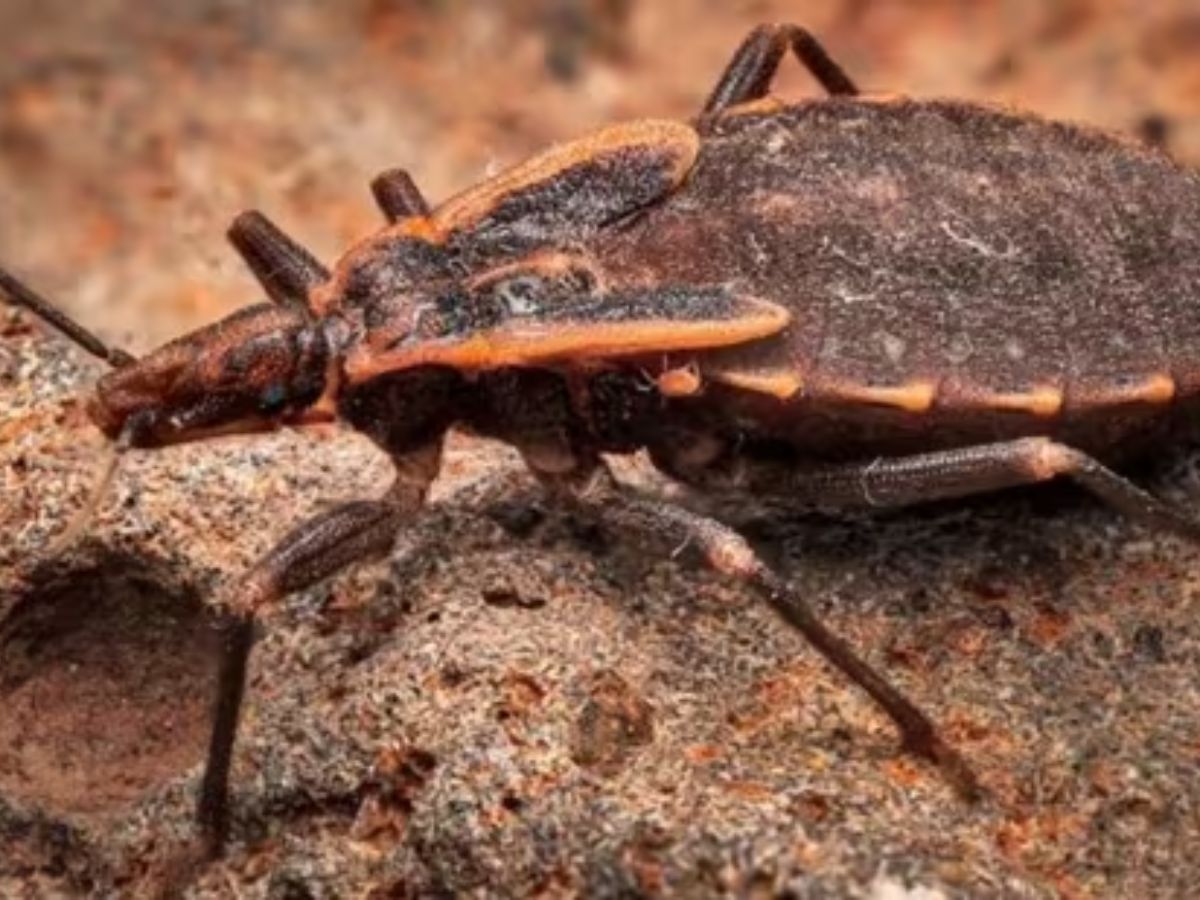
Chagas disease, a parasitic infection spread by kissing bugs, has been detected in California, according to ABC7 Eyewitness News. The World Health Organization (WHO) warns that the infection can cause long-term health issues and even death.
These insects feed on blood and are now prevalent in Southern California, particularly in woodlands such as Griffith Park. They bite humans, domestic animals, and wild animals, typically on the face, mouth, or eyes, which got them named as ‘kissing bugs’, Texas A&M’s Kissing Bugs program elaborated. Apart from California, they were found in 32 states, including Texas, Arizona, and New Mexico.
At least eight Americans have contracted Chagas disease through local transmission. Scientists are urging the CDC and WHO to declare it endemic in the U.S.
ALSO READ: China Imposes Nationwide Ban on Surgical Treatments for Alzheimer’s Disease
Symptoms of Chagas Disease
- WHO states Chagas disease has two phases:
- Initial phase (around two months): fever, headache, swollen lymph nodes, muscle pain, breathing difficulties, chest or abdominal pain, and occasionally eyelid swelling.
- Chronic phase (several decades later): parasites get stuck in the heart and gastrointestinal tract. Up to one-third of patients may develop heart problems, while others have digestive or neurological complications, which can cause heart failure or sudden death.
ALSO READ: Chili Peppers: Boosting Metabolism or Burning Your Stomach?
Treatment and Precautions
The illness can be treated with benznidazole or nifurtimox, particularly if administered early. Symptom-free adults are frequently given the medications to halt progression. WHO, however, mentions that the drugs shouldn’t be administered to expectant mothers or individuals with major liver, kidney, or psychiatric problems.
Currently, the parasite is found in wildlife like rats and skunks, but human infections occur mainly through bites. Experts advise awareness over repellents, since repellents aren’t safe for the face.