
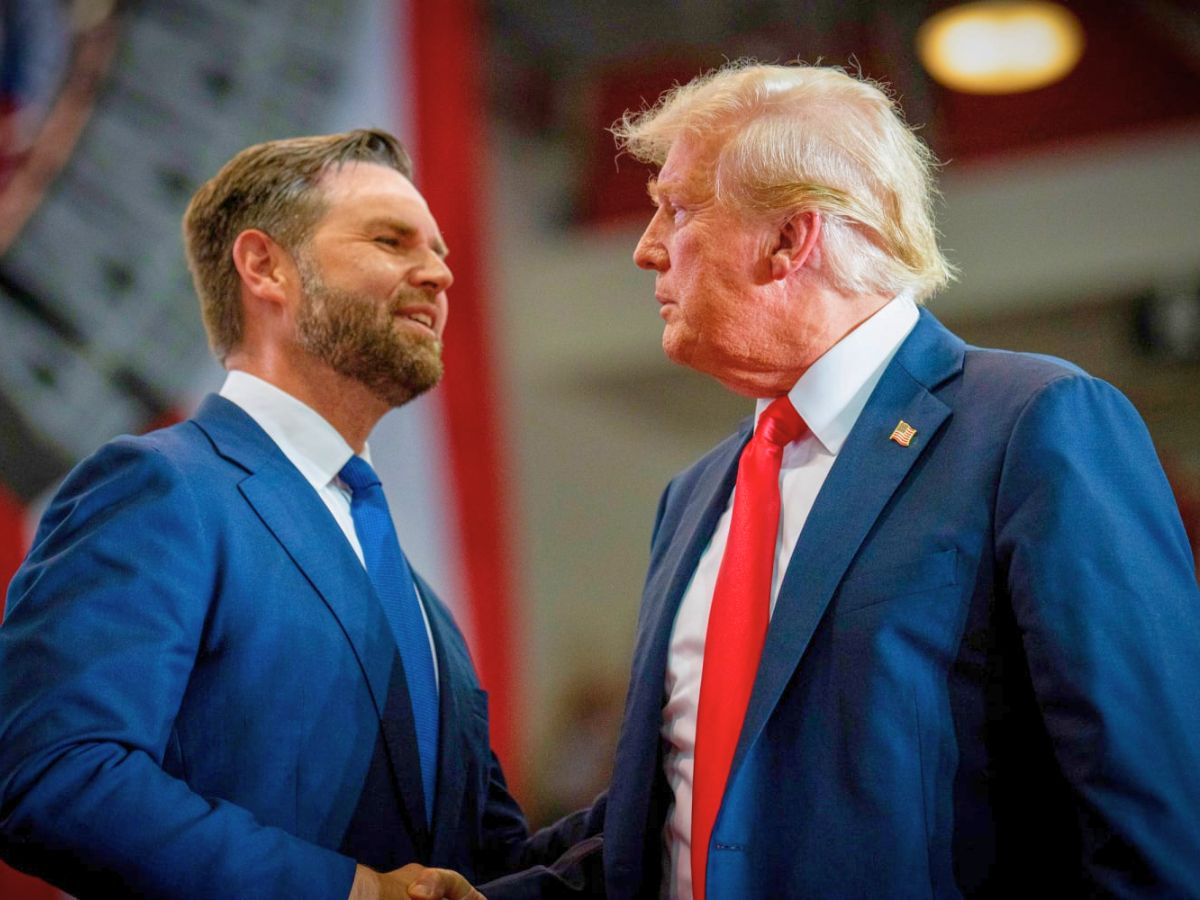
At a recent Cabinet session, Donald Trump lashed out at his own Vice President, calling him “incompetent”, a rare moment of public tension inside the White House. Tensions flared after Trump allegedly compared Vance unfavorably to other politicians and struggled to stay awake during parts of the meeting.
What Trump Said About Vance & Others?
Trump reportedly said during the meeting: “I was saying, ‘Who was more incompetent? That man or my man?’” referring to a debate between Vance and another candidate.
He added, “I had a man, and he had a man… they were both incompetent.” The remarks came alongside what many described as a confusing and erratic address — Trump repeatedly shifted between people and pronouns in his speech.
Scene at the Cabinet: Chaos, Drowsiness & Discontent
Reports from the meeting say Trump appeared visibly tired and sometimes dozed off while others spoke. Several attendees noticed discomfort when Vance spoke, prompting questions about internal unity and leadership tone within the administration. One observer summed it up: the atmosphere felt more like a spectacle than a serious governance meeting.
Why This Matters — Risks for Administration Cohesion
Publicly insulting his vice president can deepen fractures within the White House — and undermine confidence among officials and the public. In a time when many look to stable leadership, such volatile episodes may raise red flags.
Moreover, the spectacle of a president seeming fatigued while berating senior colleagues could damage the credibility of the US executive branch — especially domestically, where critics are already questioning stability.
What Happens Next?
Political analysts anticipate several possible outcomes. JD Vance could respond publicly to defend his reputation — or quietly stay silent to avoid escalation. Internally, trust between Trump and his senior team may suffer, which could hamper coordination ahead of upcoming policy announcements.
The wider public and Congress may demand explanation or clarity if such events continue — especially if productivity or decision-making suffers. With tensions visible, all eyes are now on how Vance and other senior figures react.