
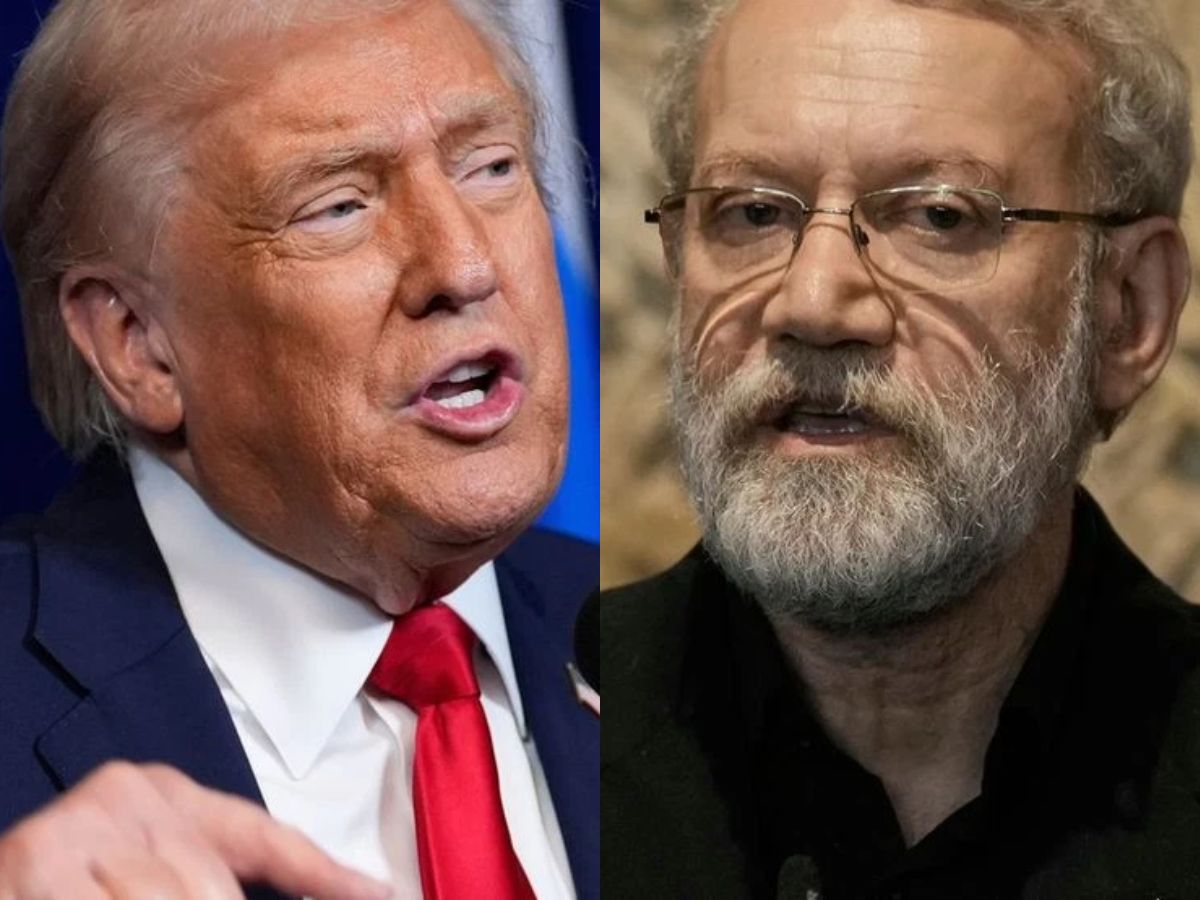
US President Donald Trump took to social media on Friday to issue a direct warning to Iran’s leadership, saying the United States would intervene if Iranian forces used lethal force against peaceful demonstrators.
The stern message came at a time of widespread protests against Iran’s economic crisis and political stagnation, intensifying a diplomatic standoff between Washington and Tehran.
Iran Protests: Trump’s Stark Message to Tehran
In a post on his Truth Social platform early on January 2, Trump wrote that if Iran “shoots and violently kills peaceful protesters, which is their custom, the United States of America will come to their rescue.” He added, “We are locked and loaded and ready to go.”
His words signalled a readiness for action, although he did not elaborate on what form any intervention might take. Analysts note that the phrase “locked and loaded” carries a military undertone, suggesting preparedness for decisive measures.
Unrest Across Iran
The warning came amid one of the largest waves of protests in Iran in years, triggered initially by sharp declines in the national currency and rising prices. These demonstrations began among shopkeepers and quickly spread to major cities across the country, including Tehran, as public anger over economic hardship grew. At least seven people have reportedly died in clashes between security forces and protesters so far, according to some media reports.
Iran’s economy has struggled for years, compounded by international sanctions and domestic policy challenges. The current protests echo the large-scale unrest seen during the 2022 demonstrations.
Iran Protests: Leadership Hits Back
Iranian officials were swift to reject Trump’s message. Ali Larijani, a senior adviser to Supreme Leader Ayatollah Ali Khamenei, called any US interference in Iran’s domestic affairs a threat to regional stability. “Intervention by the US in the domestic problem corresponds to chaos in the entire region and the destruction of the US interests,” Larijani said in a post on X.
He also accused the US and its allies of stoking unrest in Iran, a claim that Tehran has made repeatedly in past protests. Another Iranian official, Ali Shamkhani, echoed this stance, warning that any foreign interference in Iran’s internal security would be met with force.
What Trump’s Warning Could Mean?
Trump’s statement represents one of the most explicit threats by a US leader regarding intervention on behalf of Iranian demonstrators. His stance frames the unrest not just as a domestic issue but as a matter of international concern.
However, experts warn that the specifics of such intervention, whether military, economic, or diplomatic, remain undefined. The term “intervene” could range from sanctions and political pressure to direct military involvement, and the ambiguity has drawn both criticism and speculation.
Iran Protests: Regional Tensions & the Risk of Escalation
Iran’s response reflects long-standing distrust of US intentions in the Middle East. Officials argue that external involvement could destabilise the broader region, affect energy markets, and heighten military tensions.
The Middle East has seen multiple flashpoints in recent years, including disputes over nuclear programmes, sanctions, and proxy conflicts. Trump’s threat adds a new layer of complexity to an already volatile diplomatic landscape.
Protests Continue and International Eyes on Iran
While Washington and Tehran exchange warnings, protests in Iran persist. Demonstrators continue to vent frustration over economic pressures and demand broader reforms. The evolution of the crisis and the international reactions to it are likely to shape diplomatic relations and regional dynamics in the weeks ahead.