
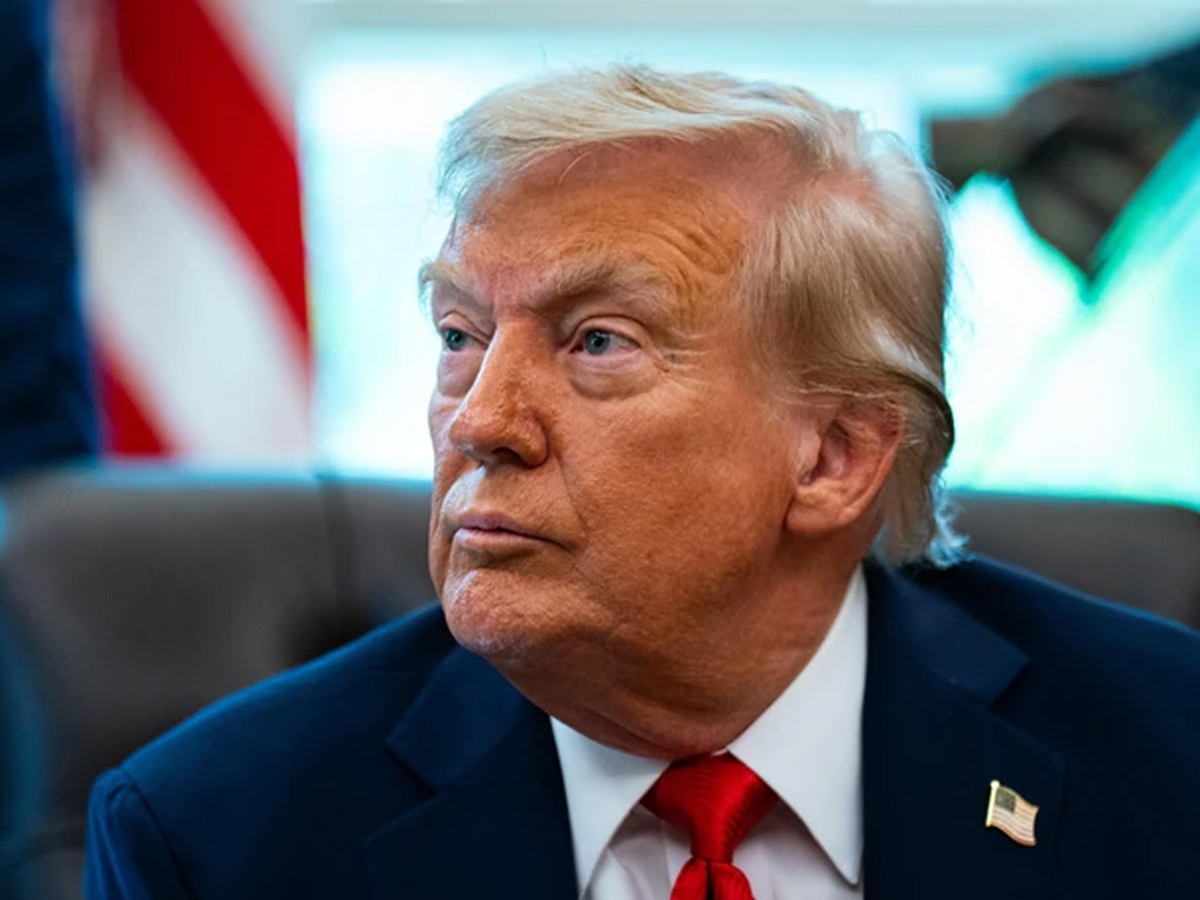
US President Donald Trump suffered a major legal defeat after a federal appeals court ruled that he went too far in imposing sweeping tariffs on foreign products. Trump had claimed that he held near-unlimited powers to bypass Congress and raise taxes on imports.
The US Court of Appeals for the Federal Circuit ruled in a 7-4 decision that Trump’s use of emergency powers under the 1977 International Emergency Economic Powers Act (IEEPA) did not give him unlimited authority to set tariffs.
This ruling largely upheld an earlier decision by the US Court of International Trade in New York, which had also rejected Trump’s claims.
Trump’s “Liberation Day” Tariffs
On April 2, 2025, a date he called Liberation Day, Trump imposed massive tariffs on nearly every US trading partner.
Up to 50% tariffs on countries with which the US had trade deficits. A 10% baseline tariff on almost everyone else.
ALSO READ: US appeals court rules Trump’s tariffs illegal, but keeps them in place
Trump argued that long-standing trade deficits were a “national emergency” and used IEEPA to justify his move, and later gave countries 90 days to negotiate trade deals to avoid harsher penalties. Some countries, like the UK, Japan, and the European Union, struck deals. Others, such as Laos and Algeria, faced heavy tariffs of 30–40%.
National Security and Emergency Claims
Trump had already used emergency powers earlier to impose tariffs on Canada, Mexico, and China. He claimed illegal immigration and drug smuggling were also “national emergencies.”
Traditionally, the US Constitution gives Congress authority over tariffs and taxes, but over time, presidents have gained more power. Trump took this to a new level, testing how far he could go without Congress.
Why the Courts Said No
In Friday’s ruling, the appeals court wrote: “It seems unlikely that Congress intended to … grant the President unlimited authority to impose tariffs.”
The court said Trump’s sweeping tariff policies went far beyond the legal limits of IEEPA. The ruling prevents him from using emergency powers as a blanket tool for trade wars.
ALSO READ: Why Trump Cancels Political Opposition Candidate Kamala Harris’ Secret Service Protection
However, the court did not strike the tariffs down immediately, giving the Trump administration time to appeal to the Supreme Court.
Tariffs had become a major revenue source under Trump, and by July, the US Treasury had collected $159 billion, more than double the previous year.
The Justice Department even warned that removing Trump’s tariffs could cause “financial ruin” for the US because billions might have to be refunded to businesses.
Trump’s Response: “This Would Destroy the US”
Trump quickly vowed to fight the decision in the Supreme Court. On his social media platform, he wrote: “If allowed to stand, this Decision would literally destroy the United States of America.”
The ruling is a major blow to his trade agenda, which relied heavily on tariff threats to pressure countries into making deals.
Legal experts said the ruling weakens Trump’s bargaining power.
“While existing trade deals may not automatically unravel, the administration could lose a pillar of its negotiating strategy,” said Ashley Akers, a trade lawyer and former Justice Department attorney. She added that foreign governments might now resist US demands or even push to renegotiate trade terms.
What Legal Options Remain for Trump
Even with this ruling, Trump still has other limited tools for tariffs:
- Trade Act of 1974: Allows tariffs of up to 15% for 150 days, but only on countries with big trade deficits.
- Section 232 of the Trade Expansion Act of 1962: Presidents impose tariffs for national security reasons, but only after a Commerce Department investigation.
Both options would slow down Trump’s ability to act compared to his sweeping emergency powers.
A Setback With Bigger Political Risks
The court’s decision is more than just a legal defeat. It raises questions about how much power presidents should hold in trade policy.
Trump has built his political brand on being tough on trade, especially against China. Now, his strongest weapon — unilateral tariffs — faces legal limits.
The Supreme Court will decide if Trump can reclaim that power. Until then, his aggressive trade strategy remains on shaky ground.
ALSO READ: Trump Administration Moves To Ban Abortion For Military Veterans, Sparking Outcry