
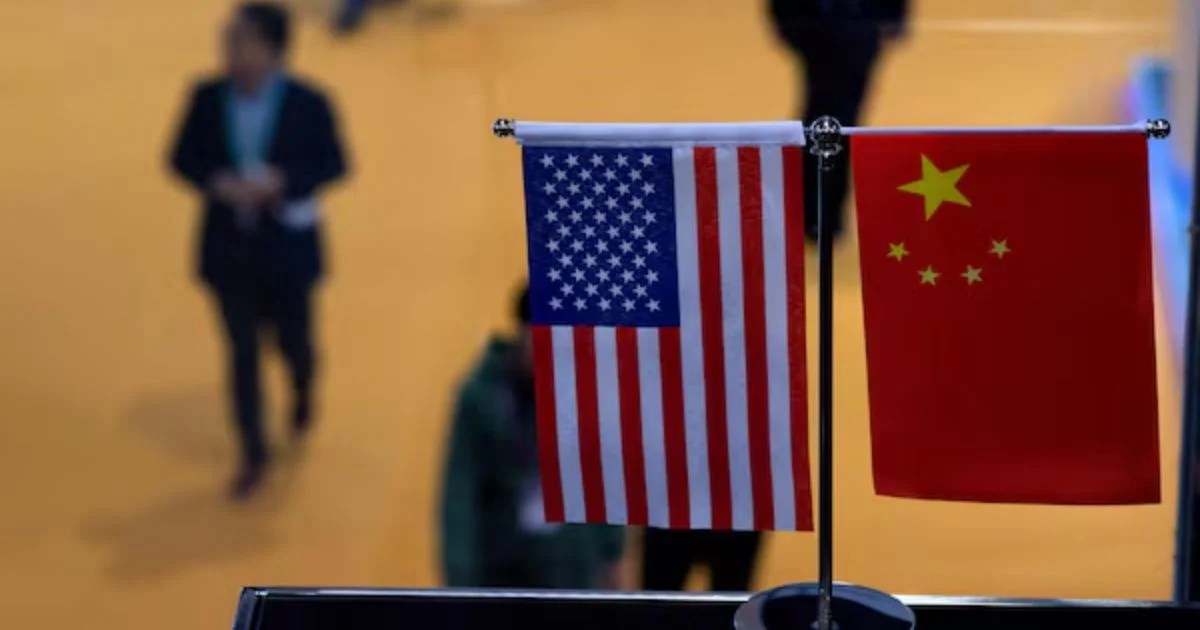
US-China Prolong Negotiations But No Agreement Reached
US and Chinese negotiators concluded two days of trade negotiations in Stockholm on Tuesday on a deal to seek an extension of their 90-day tariff ceasefire. While no significant breakthoughs were reported, the two sides did agree to keep communications active in the hopes of de-escalating tensions that have shaken global markets.
The truce, which is to lapse on August 12, had suspended an planned increase in tariffs up to triple-digit percentages. US Treasury Secretary Scott Bessent explained to journalists that it is President Donald Trump who will make the ultimate determination regarding the extension of the truce. “We’ll report back to him the process we had here,” Bessent explained, noting that the meetings were constructive and served to demystify each side’s priorities.
Another 90-Day Pause In The Works
US Trade Representative Jamieson Greer indicated another 90-day extension was being considered. “The pause is extended, he’ll decide,” Greer said, referring to Trump. Negotiations were conducted at Rosenbad, the office of the Swedish prime minister, and included wide-ranging discussion of flows of rare earth minerals and wider economic coordination.
Bessent further stated that the two nations are tailoring rare earth deals after earlier negotiations in Geneva and London. He noted enhanced personal rapport among the delegations. “There was good mutual respect. I think we understand their agenda much better now,” he explained.
Rare Earths and Economic Models in Focus
China’s chief trade negotiator, Li Chenggang, underscored the need for a stable bilateral relationship. He indicated both countries “fully recognized” the necessity of continued bilateral discussion on trade and economic issues. China dominates the majority of the world’s supply of rare earths elements essential for military gear, electric cars, and electronics and that provides Beijing leverage.
The American delegation also pressed China to move its export-tilted, state-led economy toward one that is more consumption-based. Officials contended this would serve US exports and rebalance trade.
Global Impact and Next Steps
The International Monetary Fund increased its forecast for global growth on Tuesday but cautioned renewed US-China tariff escalation is still a key threat. A formal summit between President Trump and Chinese President Xi Jinping may occur later in the year, although US officials emphasized it was not currently in the works.
Meanwhile, China’s industry minister met in Beijing with the top executives of major US companies such as Apple. He committed to open market competition and helping foreign firms.
Context: Trade Talks Amid Broader Global Deals
The Stockholm talks came after Trump’s just-concluded trade agreement with the European Union, which imposed a 15% tariff on nearly all EU products exported to America. Although the agreement brought some welcome relief, it raised ire around Europe. France decried the deal as a “submission,” while Germany cautioned it would bring “serious harm.
In contrast to the EU, China does not rely on the US for security cooperation, giving it greater leeway to bargain. Experts think that this strategic freedom has given Beijing more ability to take a firmer stand in trade negotiations.
Though the Stockholm talks failed to produce policy reforms immediately, they laid the groundwork for ongoing negotiations. There will be another set of meetings in roughly 90 days’ time, and world markets are waiting with bated breath for Trump’s move on whether or not to prolong the existing tariff freeze.