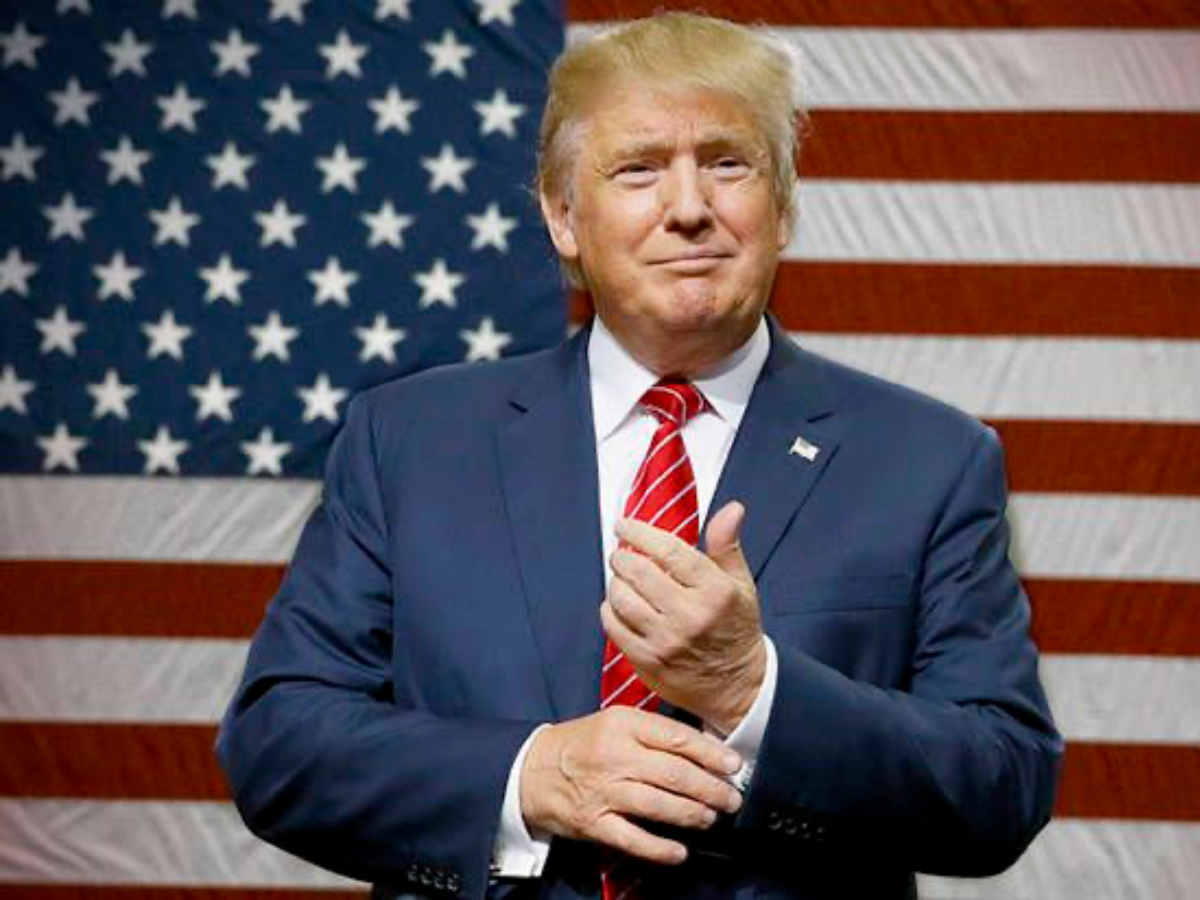
President Donald Trump faces criticism after calling Democratic lawmakers seditious in a series of fiery Truth Social posts (Photo: File)
A new political firestorm burst forth when President Donald Trump used his account on Truth Social to accuse six Democratic lawmakers of "seditious" conduct, going so far as suggesting their actions carried penalties as severe as death.
His posts, filled with sharp language and calls to lock them up, triggered immediate pushback. Critics say the statements escalate fears about political violence and echo past moments when Trump's rhetoric fueled real-world consequences.
The lawmakers in question Elissa Slotkin, Mark Kelly, Jason Crow, Maggie Goodlander, Chris Deluzio and Chrissy Houlahan recently released a video urging military and intelligence personnel to resist any effort by the Trump administration to, in their words, turn institutions against the American public.
ALSO READ: Fact Check: Did Trump Post Against Fortnite Friday After Its 2025 Streamer Awards Nomination?
They argued that certain actions by the current administration undermine constitutional principles. Trump’s public response framed their message as treasonous, sparking widespread debate about what constitutes dissent versus sedition.
Democratic members were quick to denounce Trump's remarks as Pramila Jayapal pointed out past threats against her and said normalizing this kind of talk puts public officials in danger. Eric Swalwell called Trump's comments desperate but irresponsible.
One of the strongest rebukes came from Senate Majority Leader Chuck Schumer, who warned invoking words like execution and treason might incite supporters who take words spoken by Trump literally. The tension speaks to a larger concern about the climate surrounding national politics.
ALSO READ: Trump signs Epstein Bill: Pam Bondi Gets 30 Days to Release Epstein Files Under New Law
While Trump implied that the lawmakers actions were punishable by death, legal experts say US law does not provide for civilian sedition charges punishable by death. The closest related statute-seditious conspiracy-carries a maximum penalty of twenty years in prison.
Only under the military justice system is death a potential punishment for sedition. The difference is important, not least because Trump has used similar defenses in the past when violent chants occurred, including when a mob chanted against former Vice President Mike Pence during the January 6 attack.
The clash shows a concerning turn in political rhetoric-that words once reserved for wartime adversaries are now hurled at elected colleagues. The lawmakers insist they were defending constitutional norms, but Trump saw their message as an attack on his leadership.
While both sides continued to trade barbs, a broader question looms: how far can political rhetoric go before it endangers democratic institutions themselves?
ALSO READ: U.S. Travel Costs to Rise in 2026 as DHS Adjusts Key Immigration Fees Under HR-1
Disclaimer: This article is an independent analysis for informational purposes and does not endorse any political figure, viewpoint or claim made by involved parties.