
The Trump administration has removed several top military and intelligence officials. The move follows anger over an intelligence report on US airstrikes against Iran.
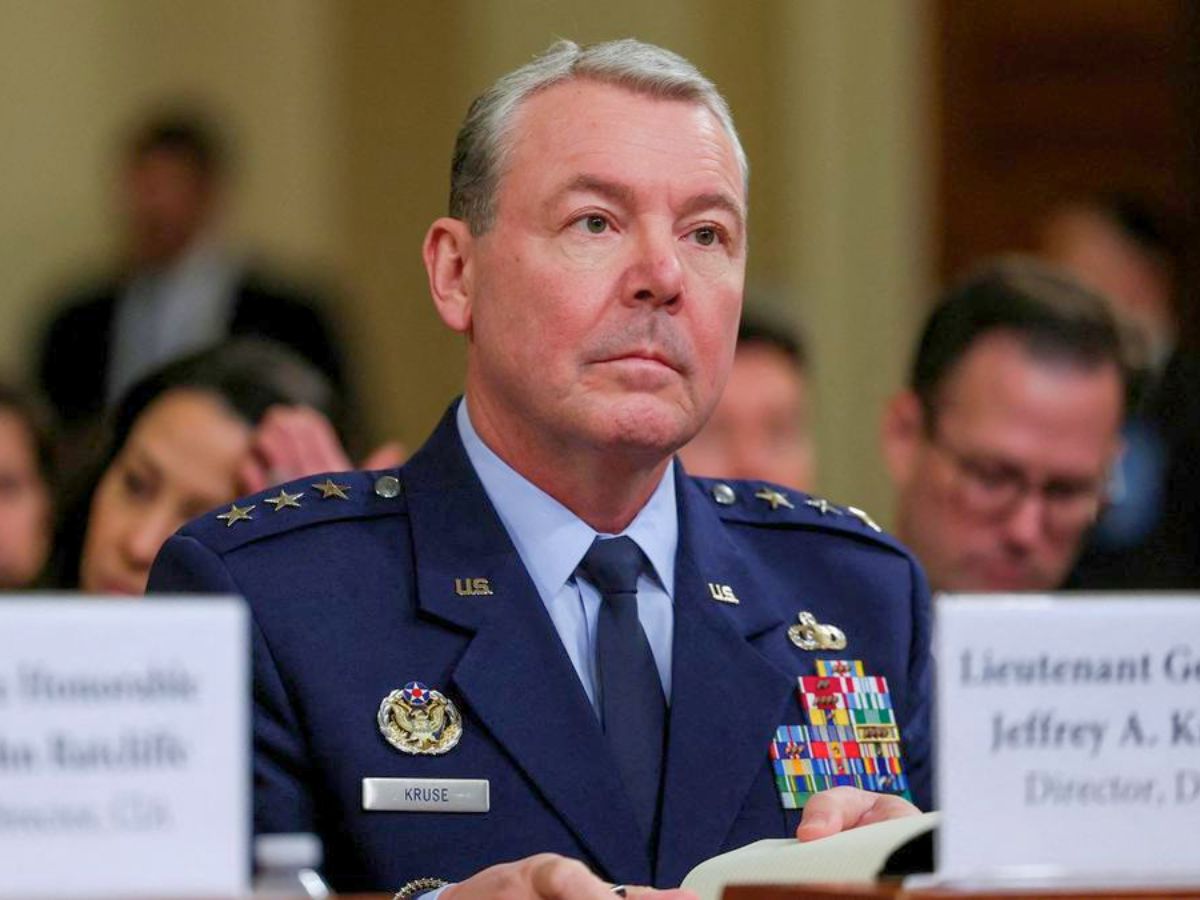
Defense Secretary Pete Hegseth fired Lt. Gen. Jeffrey Kruse, head of the Defense Intelligence Agency (DIA). Two other senior Navy officials, Vice Adm. Nancy Lacore and Rear Adm. Milton Sands, also lost their jobs.
Officials did not give reasons for the dismissals. But the firings come after President Donald Trump rejected an intelligence assessment that questioned his claims about Iran.
Iran Strikes Spark Clash Over Intelligence
In June, the US carried out airstrikes on three Iranian nuclear sites. A preliminary DIA assessment later found the attacks only set back Iran’s program by a few months. This report contradicted Trump’s claim that the strikes “completely and fully obliterated” Iran’s nuclear effort.
ALSO READ: Why Donald Trump’s Choice of Sergio Gor as US Ambassador to India Matters?
The findings also conflicted with statements from Israeli Prime Minister Benjamin Netanyahu, who supported Trump’s stance.
Trump attacked the DIA report and said it underestimated US success. His criticism added to his long history of rejecting intelligence assessments he disagrees with. He had earlier dismissed US findings that Russia interfered in the 2016 election to help him win.
Hegseth defended the strikes in June. “You want to call it destroyed, you want to call it defeated, you want to call it obliterated — choose your word. This was a historically successful attack,” he told reporters.
Democrats Alarmed by Firings
Democrats in Congress raised concerns about the latest purge of military leaders. They fear the White House is treating intelligence like a loyalty test.
Sen. Mark Warner, the vice chairman of the Senate Intelligence Committee, warned:
“The firing of yet another senior national security official underscores the Trump administration’s dangerous habit of treating intelligence as a loyalty test rather than a safeguard for our country.”
ALSO READ: ‘Too Much Ordering, Pressuring’: John Kerry Criticizes Trump on US- India Ties
Rep. Jim Himes, the top Democrat on the House Intelligence Committee, said:
“Otherwise, we can only assume that this is another politically motivated decision intended to create an atmosphere of fear.” They argue the removals could discourage intelligence officials from giving honest assessments.
Pattern of Removing Officials
The firings of Kruse, Lacore, and Sands fit a larger pattern. Trump and Hegseth have repeatedly dismissed senior military and intelligence officers. Many of them were seen as critical of Trump or supportive of diversity, equity, and inclusion programs, which the administration has moved to end.
In recent months, the administration removed:
Gen. CQ Brown Jr., Chairman of the Joint Chiefs of Staff
The Navy’s top officer
The Air Force’s second-highest-ranking officer
Gen. Tim Haugh, head of the National Security Agency
Vice Adm. Shoshana Chatfield, senior NATO official
The Pentagon has not given public reasons for most of these ousters.
Security Clearances and Budget Cuts
This week, the Office of the Director of National Intelligence (ODNI) also slashed staff and budget. It stripped security clearances from more current and former officials. The administration has used this tactic before against people it considers disloyal.
Critics Warn of Chilling Effect
Critics say the changes may silence independent voices within the US. military and intelligence community. They argue that leaders will hesitate to provide analysis that goes against the president’s public claims.
ALSO READ: Elon Musk Called Sergio Gor a ‘Snake’, Yet Trump Picks Him to Lead in India
Trump has previously removed officials over data or reports he disliked. Earlier this year, he fired a government economist after a weak jobs report. His administration also stopped publishing studies on climate change and vaccine access. The dismissals now raise fears that political loyalty is replacing professional judgment in national security.