
The Escalator to a Business Presidency
Donald Trump’s foray into politics in 2015 was heralded by the now-famous “escalator moment” at Trump Tower. That dramatic press conference announcement didn’t merely announce a presidential campaign it established the tone for a presidency that blurred boundaries between governance and personal business. Throughout his first term and into his present term, Trump has continually used the office as a launching pad for business expansion, making the White House a center for personal and family gain. From foreign officials sleeping at Trump hotels to the introduction of Trump-branded cryptocurrency and merchandise, the presidency has become an offshoot of the Trump business empire.
The White House as a Business Launchpad
Unlike his predecessors, who kept public service and private business separate, Trump held on to his businesses during his presidency. His Washington hotel immediately became a draw for lobbyists, diplomats, and political allies, frequently spending money in a manner that doubled as political messaging. In one high-profile instance, Saudi Arabia and its associates reportedly paid more than $7.8 million at Trump-branded properties during his first term, raising fresh doubts about possible violations of the Constitution’s Emoluments Clause. Attempts to host the G7 summit at his Florida resort and excessive spending by the Secret Service at Trump-owned hotels further highlighted his peculiar presidential strategy for business.
This intersection of commerce and governance has only grown. Trump-branded NFTs, cryptocurrency projects, and collectible gold sneakers illustrate the continued commodification of the presidency. As observers point out, no contemporary US president has so brazenly turned the office into a vehicle for family and personal profiteering.
A Family Business
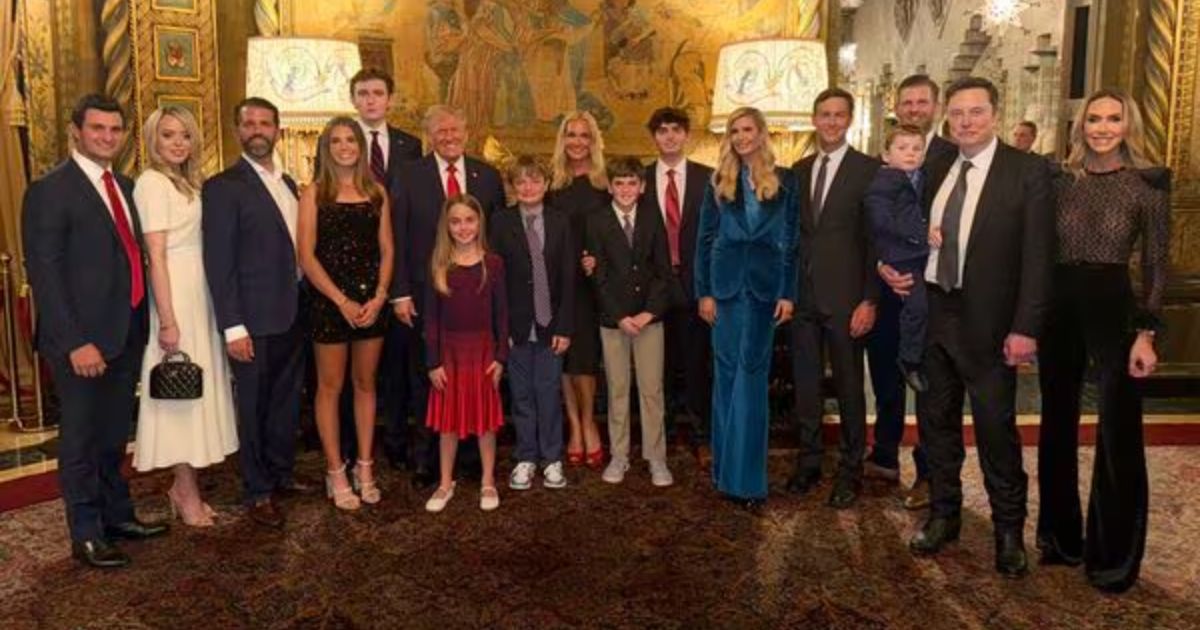
Trump’s business model applies to his family as well. Ivanka Trump registered trademarks for her clothing company in China during her tenure as a senior adviser, Jared Kushner received a $2 billion investment for his private equity company, and Donald Jr and Eric Trump made active efforts and led the growth of the Trump Organization. Some of the latest projects include high-end hotels in Dubai, a residential tower in Jeddah, and several real estate and crypto ventures in the Middle East, all which have been yielding profits for the family.
Donald Jr’s “Trump Business Vision 2025” tour through Eastern Europe and Eric Trump’s real estate discussions in Qatar and Dubai illustrate how the family uses political visibility as a means of financial support. Back home, the opening of the elite “Executive Branch” club in Georgetown, with its $500,000 memberships, provides another avenue for revenue while linking top donors and allies to the family network.
Profit in Politics: The Legacy of a Presidential Dynasty
From cryptocurrency investments and meme tokens to upscale real estate developments and private clubs, the presidency of Donald Trump has rewritten the relationship between political power and personal gain. As critics point out, such a system has the potential to undermine democratic norms, the Trump clan continues to run an intricate, high-level empire in which political power and financial interests become inseparable. Regardless of whether in Mar-a-Lago or overseas, the Trump name is still a commodity, and the presidency itself has become a part of the family holdings.