
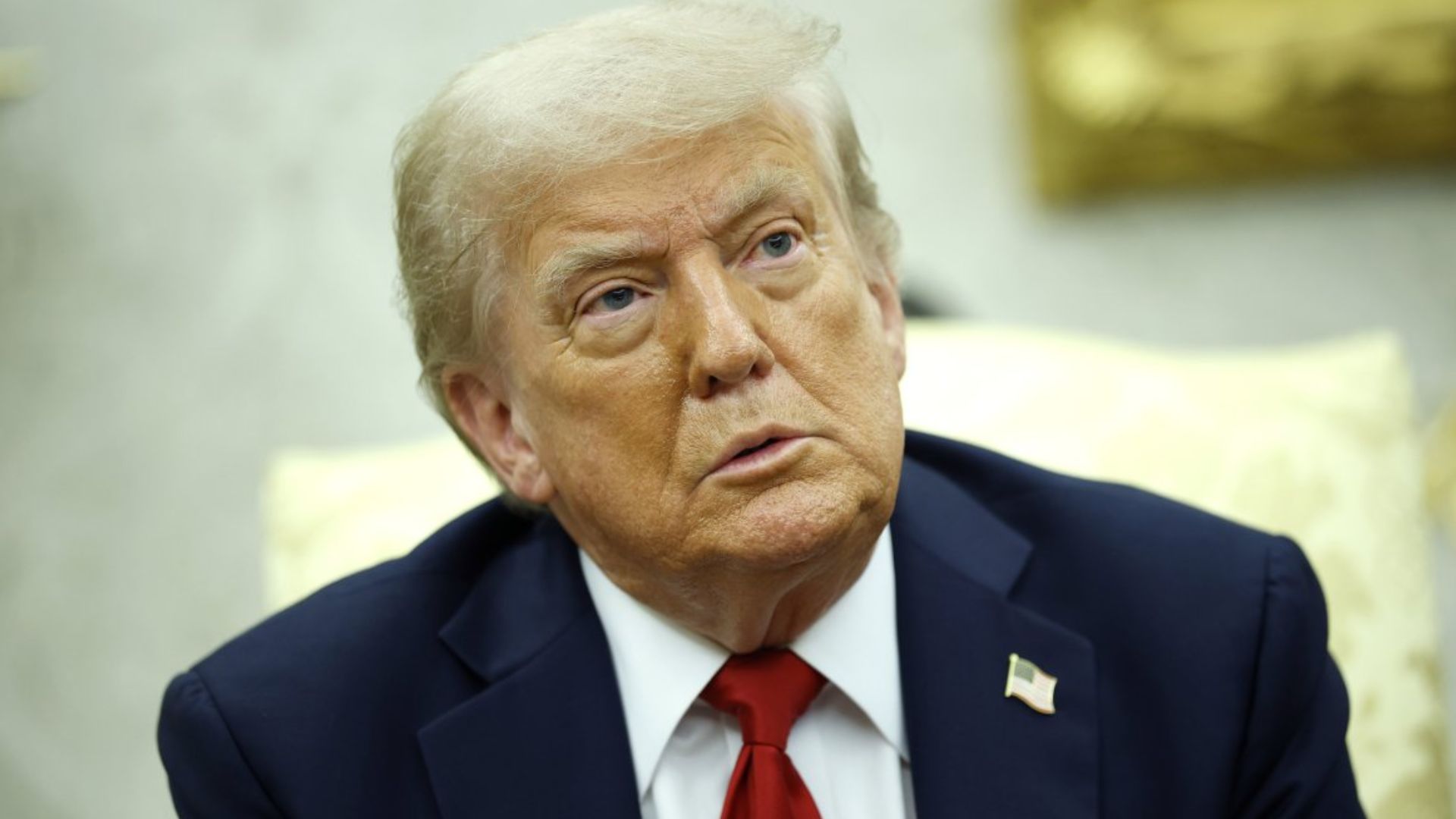
High-level negotiations between the European Union and the United States were ongoing on Saturday. Officials on both sides were trying to settle key differences before a crucial meeting between former US President Donald Trump and European Commission President Ursula von der Leyen. This meeting is scheduled to take place in Scotland and is seen as a last-ditch effort to prevent a damaging trade war.
Trump’s Private Trip Turns Political
Though Trump was in Scotland on what was officially a private visit, he made public remarks that quickly stirred political debate. He stayed the night at his family-owned Turnberry golf resort, but instead of keeping a low profile, he made bold comments targeting Europe’s energy and immigration policies.
Trump Criticizes Wind Energy
Trump took aim at Europe’s widespread use of wind power. He said the landscape was being destroyed by wind turbines. “I say two things to Europe. Stop the windmills. You’re ruining your countries. I really mean it, it’s so sad,” Trump told reporters.
He criticized the way wind turbines have spread across Europe, adding, “You fly over and you see these windmills all over the place, ruining your beautiful fields and valleys and killing your birds.”
Sharp Words on Immigration
Trump also issued a blunt warning about immigration policies in Europe. He claimed that rising immigration levels could threaten the continent’s identity and stability. “On immigration, you better get your act together,” he said. “You’re not going to have Europe any more.”
Trade Talks Hang in the Balance
Trump’s comments come at a sensitive time, as both American and EU trade officials are working urgently to resolve disagreements. Key trade issues, such as tariffs, energy policy, and regulatory standards, remain unresolved.
Any failure to reach an agreement could lead to retaliatory tariffs or a broader trade conflict that would affect industries on both sides of the Atlantic.
High Stakes in Scotland
The meeting in Scotland is expected to be decisive. Ursula von der Leyen is likely to push for continued economic cooperation, while Trump’s statements suggest a more confrontational approach. Analysts believe that what happens in this meeting could shape the next phase of EU-US relations—either toward renewed partnership or escalating conflict.