
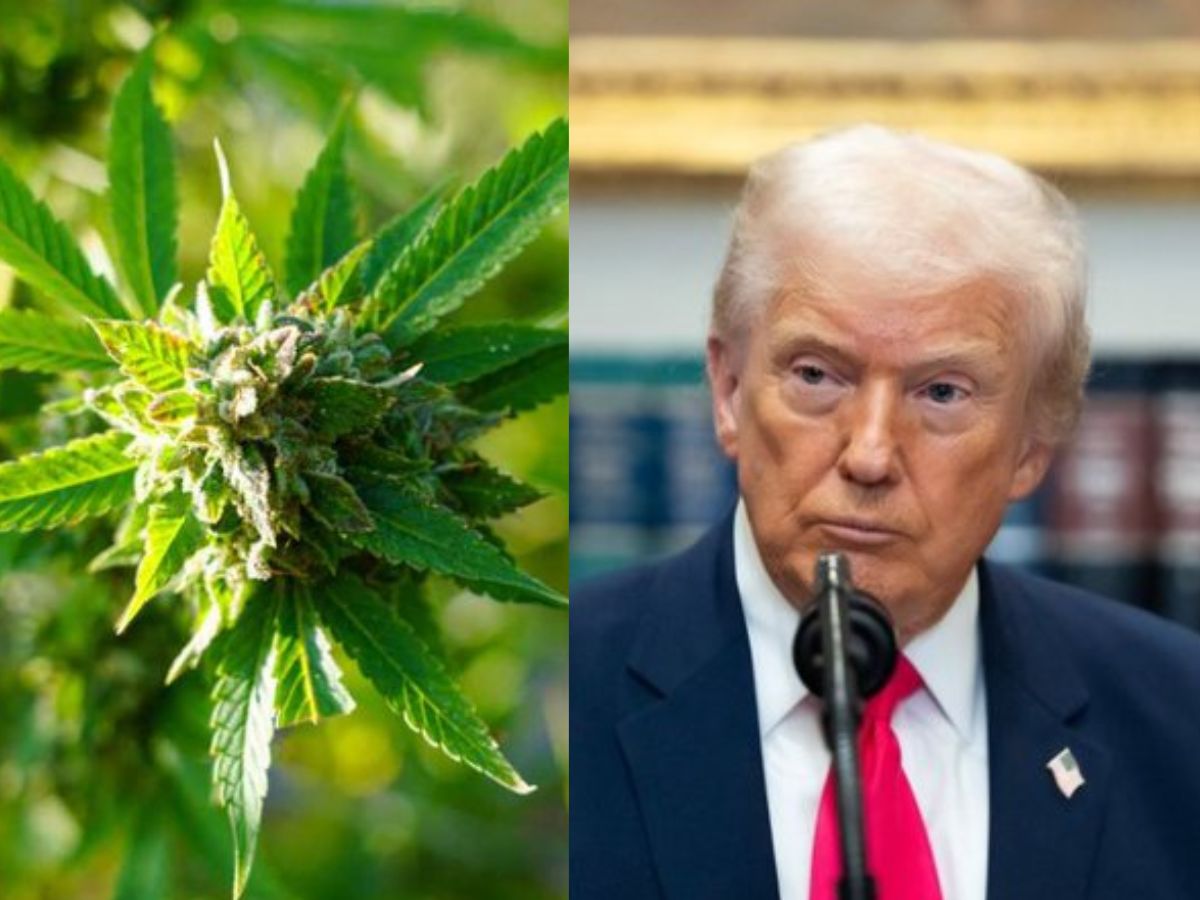
The US federal government may soon change how it classifies marijuana under federal law. Reports say President Donald Trump plans to issue an executive order directing federal agencies to move marijuana from Schedule I to Schedule III of the Controlled Substances Act — the first such shift in more than 50 years.
The move could reshape federal cannabis rules, research access, and business operations across the country. It would not legalise recreational marijuana nationwide, but experts say it may reduce regulatory hurdles and expand opportunities in the medical and commercial sectors.
What Is a Controlled Substances Schedule?
Under the Controlled Substances Act (CSA), drugs are placed into schedules that reflect their potential for abuse, medical value, and dependence risk:
Schedule I: Drugs with high abuse risk and no accepted medical use (e.g., heroin, LSD, marijuana since 1970).
Schedule III: Drugs with moderate to low dependence risk and recognised medical use (e.g., ketamine, anabolic steroids, Tylenol with codeine).
Trump’s proposed order would reschedule marijuana from Schedule I to Schedule III, acknowledging accepted medical use and a lower risk profile compared to other Schedule I substances.
Why the Change Matters?
If marijuana becomes Schedule III:
- Medical acknowledgement: The federal government would formally recognise marijuana’s medical use.
- Research access: Federal researchers could study cannabis with fewer regulatory hurdles.
- Banking & business: Banks and financial firms might more easily serve cannabis companies.
- Taxes: Cannabis businesses could claim normal tax deductions — no longer restricted by IRS Code Section 280E — potentially boosting profits.
This change could benefit both medical marijuana sectors and established cannabis companies, though it does not automatically legalise recreational use nationwide.
Will This Legalise Marijuana Nationally?
No. The shift to Schedule III would not legalise recreational cannabis at the federal level. States still control their own rules. Nearly half of the US states still prohibit recreational use. Federal rescheduling would not:
Remove criminal penalties for possession where state law still bans it.
Authorize interstate cannabis commerce.
Override all state policies.
Those changes would require Congressional action, not just an executive order.
Current Status of Marijuana Laws in the US
Across the United States:
- About 24 states + D.C. allow adult recreational use.
- Around 40 states permit medical marijuana.
- Some states, like Idaho and Kansas, still ban all cannabis use.
- The federal and state landscape remains complex and sometimes conflicting.
How the Rescheduling Process Evolved
- In 2022, President Biden directed agencies to review marijuana’s classification.
- In 2023, the Health and Human Services (HHS) recommended moving marijuana to Schedule III.
- In 2024, the Drug Enforcement Administration (DEA) proposed the change.
- Trump’s order would act on these recommendations, finalising a long-anticipated update to federal drug policy.
Reactions to Rescheduling Reports
Markets reacted quickly to the news: cannabis stocks jumped by up to 15 per cent, as investors bet on improved business prospects. Supporters argue that rescheduling will open research and reduce unnecessary regulatory barriers. Critics warn about risks such as youth mental health concerns and driving impairment tied to cannabis use.
What Changes Could Cannabis Companies See?
If the rescheduling goes through:
- Cannabis businesses could access banking services more easily.
- They could expand research and product development.
- Tax relief under federal law could improve profitability.
However, operators would still need to comply with state laws and licensing systems.
What Comes Next?
The executive order — if formalised — could be issued as soon as next week, according to reports. After that, agencies like the DEA and HHS will implement the change. Lawmakers and regulators will continue to debate broader cannabis reform in Congress.