
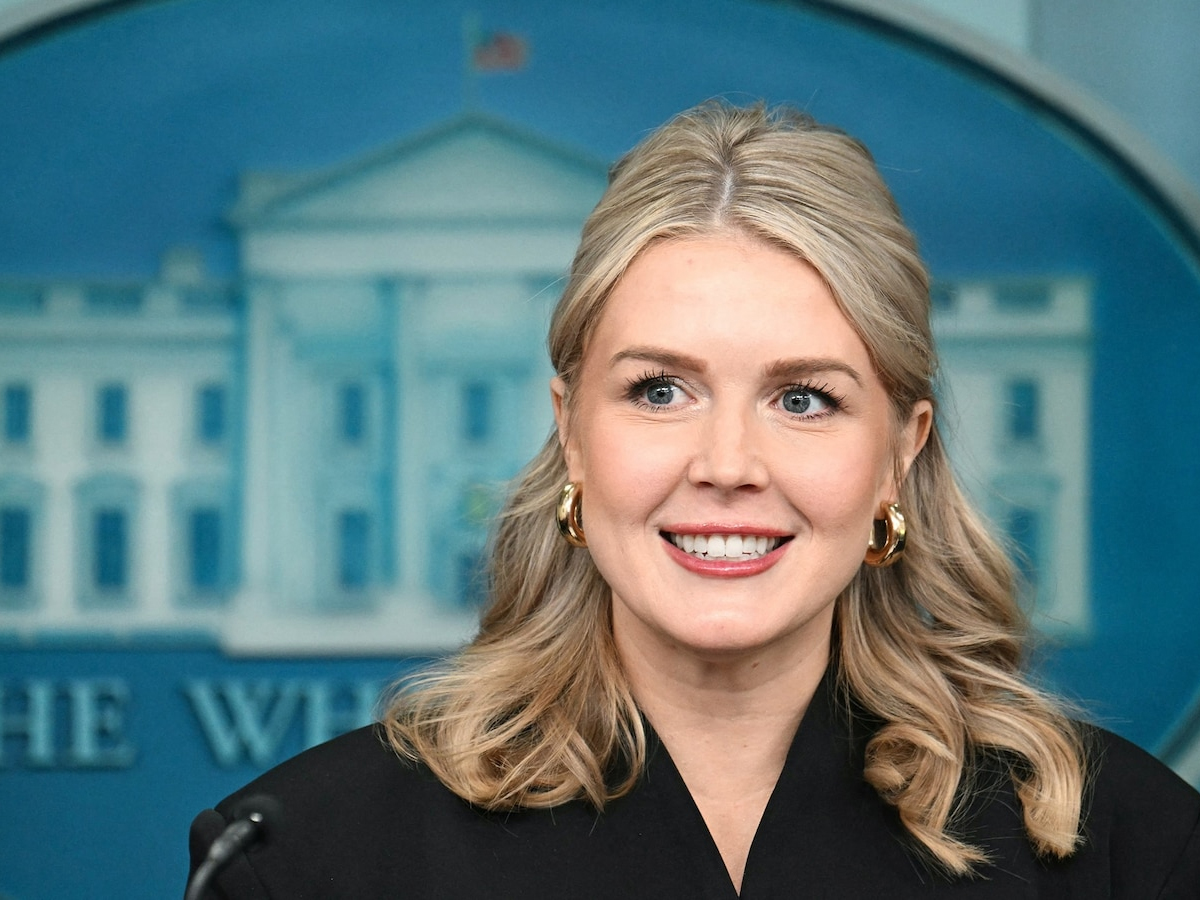
Karoline Leavitt announced on Friday that she is expecting a baby girl in May. She shared the news through a simple Instagram post. The photo showed her standing beside a Christmas tree. She wrote that she and her husband were excited to grow their family and watch their son become a big brother.
There was no press conference. There was no political messaging. Yet the announcement drew wide attention. Not because it was dramatic, but because it was ordinary. That contrast made it powerful.
At 28, Leavitt is already the youngest White House press secretary in history. She is also the mother of a one-year-old boy born last July, during Donald Trump’s campaign. Now, she is preparing to welcome her second child while holding one of the most visible jobs in American politics.
Public Reaction Shows Old Tensions Remain
The response online revealed how uncommon this moment still feels. Commentator Meghan McCain summed it up when she reflected on her own experiences.
She wrote that she spent years being told that having children would hurt her career. Seeing the first pregnant White House press secretary, she said, was “very, very, very cool”.
The praise carried a deeper truth. For many women, ambition and motherhood still feel like choices that cancel each other out, especially in public life.
What the White House Has Said on Leavitt’s Pregnancy
The White House has confirmed that Leavitt will continue as press secretary after the birth of her daughter. Officials have not clarified whether she will take maternity leave.
Leavitt has spoken openly about leaning on her husband for support. She has also said motherhood has given her perspective in a demanding profession. These statements are common in everyday life. They sound unusual only because they rarely come from someone behind a White House podium.
Why Pregnancy in Politics Still Feels Rare
Pregnancy is common, but political pregnancy is not. The United States has never had a female president. It has never seen a president give birth while in office.
Many women enter Congress later in life, often after raising children. This pattern reflects political systems that reward nonstop availability and punish pause.
History shows a similar trend worldwide. Leaders like Margaret Thatcher, Angela Merkel, Indira Gandhi, and Golda Meir held power long after their childbearing years. Their authority was unquestioned. Their bodies fit institutions built around male timelines.
Global Examples That Changed Perceptions
There have been exceptions in political pregenancy. Benazir Bhutto governed Pakistan while pregnant in the 1980s, and her pregnancy drew attention because it challenged expectations, not because it disrupted leadership.
In 2018, New Zealand Prime Minister Jacinda Ardern gave birth while in office, and she took maternity leave and returned. The government continued to function.
In legislatures, similar moments forced change. US Senator Tammy Duckworth gave birth while serving and pushed the Senate to update its rules. UK MP Stella Creasy fought for proxy voting during pregnancy. In Australia, Senator Larissa Waters breastfed her baby in parliament.
These moments stand out because they remain rare.
What Leavitt’s Moment Really Shows
Leavitt’s pregnancy does not transform political institutions overnight. It does something quieter. It makes an everyday human reality visible in a space that has long avoided it.
She is a senior White House official. She is raising a toddler. She is expecting another child. None of this is radical. It only feels that way because politics still lags behind the lives it represents.