
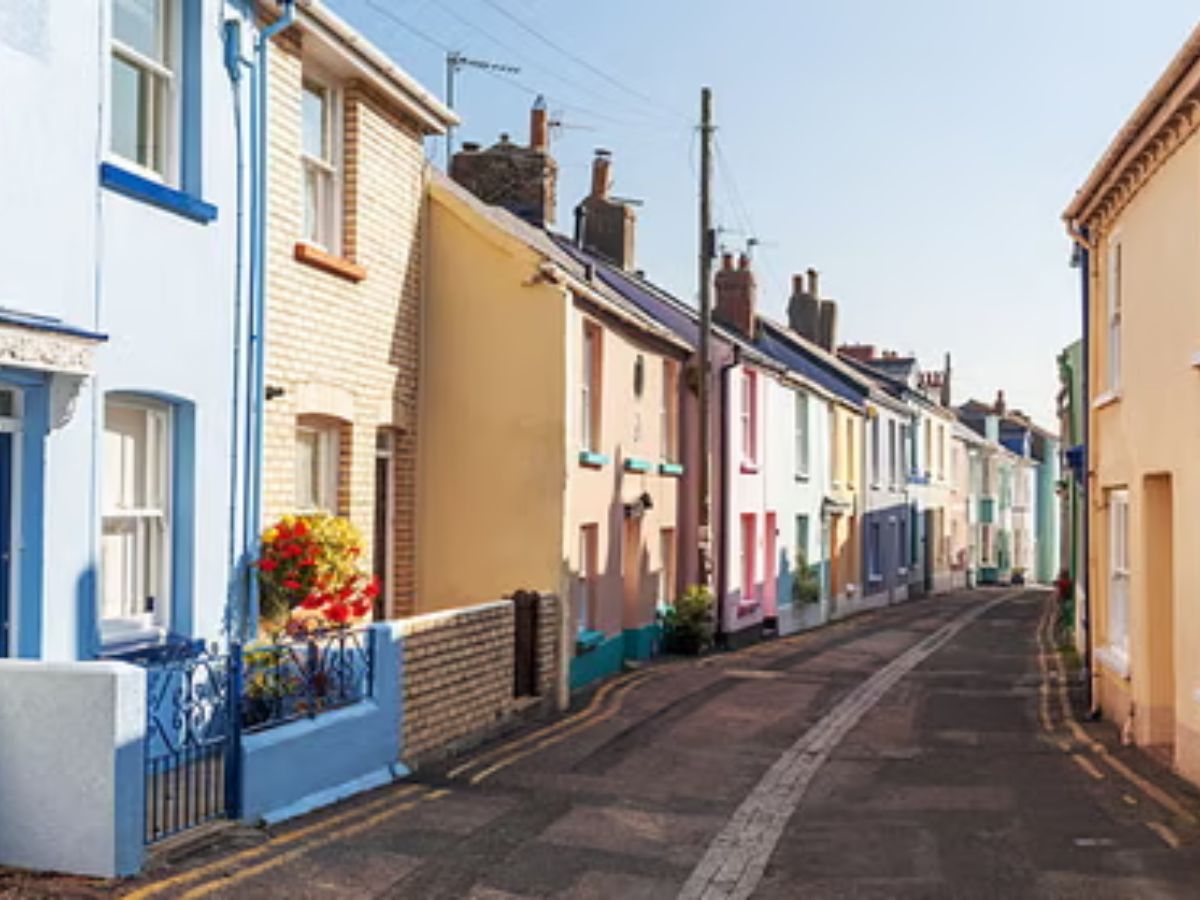
House prices in the United Kingdom rose in July after a sharp fall in June, according to new data from Nationwide. The average home price increased by 0.6% last month, reaching £272,664.
This difference follows the steepest monthly decline in over two years, which followed the end of a stamp duty tax break.
Annual Growth Rate and Mortgage Activity Improve
Britain’s largest building society reported an improvement in the annual rate of price growth, reportedly. It rose to 2.4% in July from 2.1% in June. Mortgage approvals remained strong, with around 64,200 approved transactions, indicating steady buyer interest.
Affordability at Decade-High, But Borrowing Still Costly
Nationwide’s chief economist Robert Gardner noted a change in affordability. “The price of a typical UK home is about 5.75 times average income, the lowest this ratio has been for over a decade,” he stated. He added that this shift is easing deposit pressures for buyers and coincides with better access to high loan-to-value mortgages.
However, high interest rates continue to challenge affordability. The average five-year fixed mortgage rate for those with a 25% deposit is now more than three times what it was in autumn 2021.
Outlook Tied to Bank of England’s Next Move
Jeremy Leaf, a London-based estate agent, commented, “On the ground, transactions are holding together relatively well…we expect to see a modest improvement all round, particularly if interest rates are reduced in the next month or so as widely expected, despite lingering concerns about the economy.”
The housing market is now looking ahead to the Bank of England’s upcoming monetary policy meeting on August 7. Hopes are pinned on a potential cut to the base interest rate, currently at 4.25%. Financial analysts forecast a reduction to 4% next week, and possibly further cuts to 3.75% before year-end.
Inflation Surge Could Delay Rate Cuts
Despite earlier expectations of a rate cut, recent inflation data may complicate the Bank’s decision. Inflation unexpectedly rose to 3.6% in June, overshooting the Bank’s 2% target and beating May’s 3.4% figure.
Karen Noye, a mortgage specialist at Quilter, cautioned, “All eyes will be on the Bank of England next week and what it decides to do with interest rates. It was thought that a rate cut was fairly certain, but recent inflation data coming in higher than expected may just temper things slightly and force buyers to wait. Should the Bank of England follow through with a rate cut, however, that will help support the buyers.”