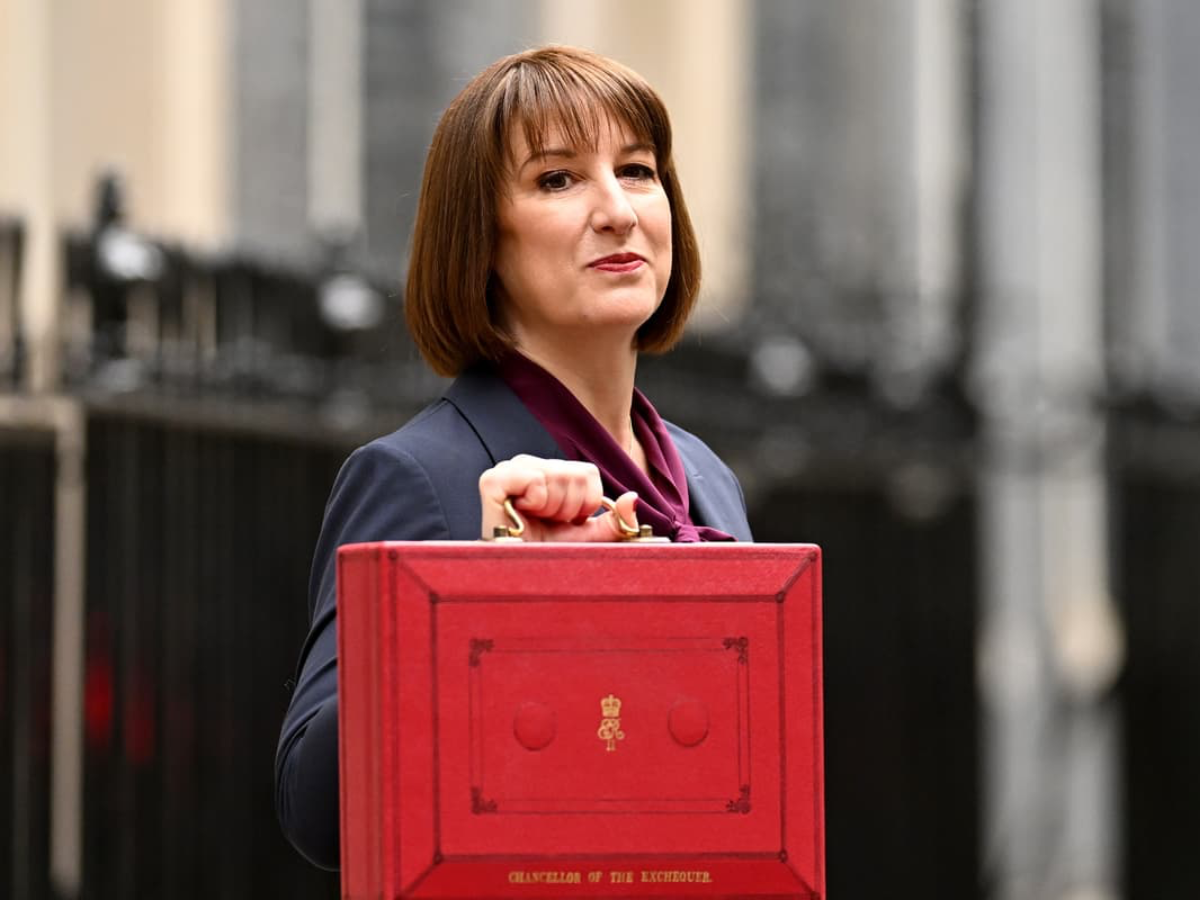
The UK’s Autumn Budget 2025 may lower costs for energy users and electric vehicle buyers as targeted relief measures take shape (Photo: File)
UK Autumn Budget 2025: Rachel Reeves enters Budget week with the weight of a strained public purse and rising household anxiety. Expectations are high, even though the room for giveaways is small.
Much of the conversation has focused on tax rises and frozen thresholds, but there are a few areas where families and consumers could see genuine relief. While such reductions may not offset the broader pressures, they signal an effort to ease costs in targeted sectors.
The prospect of price relief is perhaps clearest in household energy. The Treasury is considering cutting the current 5 per cent VAT rate on gas and electricity or trimming regulatory charges passed on by suppliers.
Either could cause bills to fall almost immediately. Inflation remains stubborn, while demand will increase with the onset of winter and a modest fall in the cost of energy would create welcome breathing space for millions of households.
Despite plans by the government to impose future pay-per-mile charges on EV drivers, the upfront cost of electric cars could drop. The Budget is likely to extend the plug-in car grant for another year, backed by an additional £1.3 billion.
ALSO READ: UK Autumn Budget 2025: How the Budget Will Affect the Average Family’s Cost of Living in 2026
Support of up to £3,750 may be available on eligible models, further closing the gap between EVs and comparable petrol cars. For many first-time buyers, this shift could make entry into the electric market far easier.
A further £200 million of new EV charging points is likely to push down long-term running costs. The general rule is that more chargers mean more competitive pricing and fewer reliance spikes at more expensive public stations.
A broader network means improved access for drivers without home chargers, gradually reducing their cost disadvantage.
Reeves has hinted she may revise the two-child limit on benefits. If adjusted or removed, larger families could receive improved support. While this does not directly make items cheaper, increased relief would reduce effective household costs.
For families stretched by rising food and housing prices, even partial reform could bring meaningful savings.
This Budget will not reshape the entire cost landscape, but it may ease pressure in targeted areas. Energy bills, EV prices and family support stand out as the clearest candidates for reduction. While most fiscal tools are pointed toward repair rather than expansion, small drops in cost will matter even more.
ALSO READ: Indian Constitution Day 2025: History, Significance & What is the Story Behind November 26
Disclaimer: This article is an analysis based on expected Budget measures and should not be taken as financial advice or confirmation of government policy.