
Old Infrastructure and Disregard Cause Radioactive Water Leaks
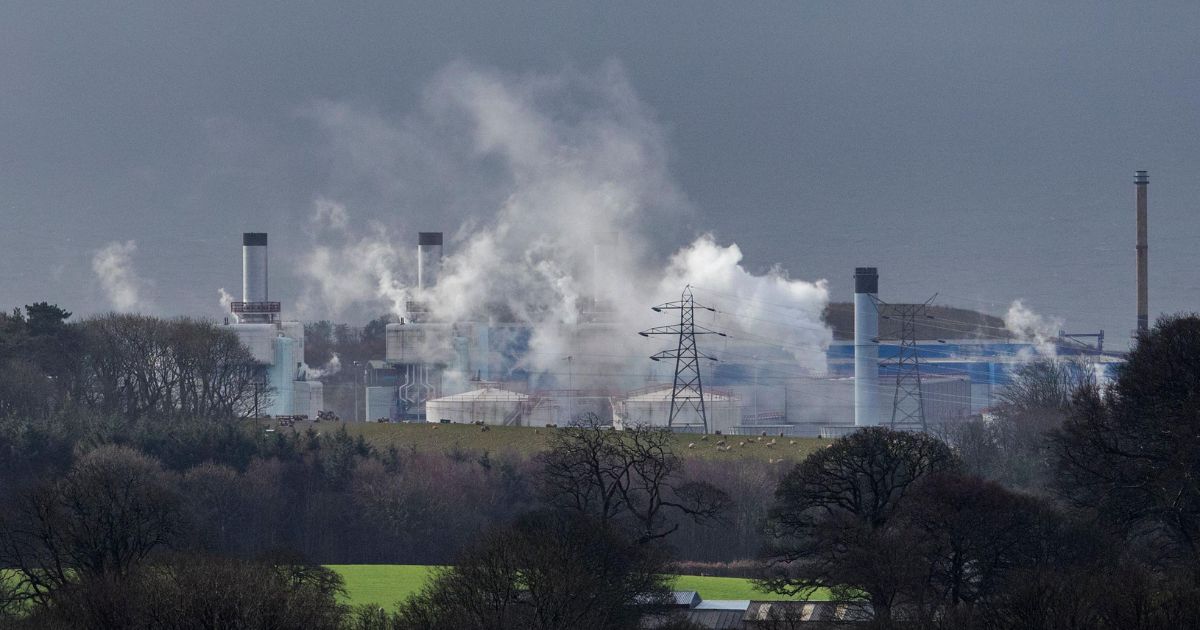
Official accounts show that radioactive water from the UK’s nuclear weapons facility at Coulport was permitted to leak into adjacent Loch Long following a series of pipe bursts due to substandard maintenance. The Royal Navy’s inability to replace or adequately maintain a system of around 1,500 old water pipes at the base has resulted in the discharge of low-level radioactive tritium into the sea.
Coulport, near Glasgow, is a very secure base where nuclear warheads are stored for the UK’s Trident submarine fleet. Many of the components at the base were long past their designed lifetime when leaks occurred, exposing critical shortcomings in maintenance and asset management, documents revealed by the Scottish Environment Protection Agency (Sepa) said.
The leaks, which began as early as 2010 and continued with several each in 2019 and 2021, were traced to “shortfalls in maintenance” and delayed plans for replacing the corroded pipes. One of the biggest leaks in August 2019 saw radioactive-contaminated water pour over a nuclear weapons processing area before it drained into Loch Long. Even though Sepa declared the radiation levels were not dangerous to human health, the preventable discharge of radioactive waste caused significant environmental and safety issues.
Secrecy, Delays, and Slow Progress on Fixes
The disclosure comes after a lengthy six-year battle to obtain confidential inspection reports and internal emails, which were initially withheld by the Ministry of Defence (MoD) over national security claims. The files were eventually released following an order from the Scottish Information Commissioner.
Even after a 2020 commitment from the MoD to bring about 23 action steps preventing such incidents in the future, the regulator noted tardy and slow work in remedying the issues. Two additional pipe bursts in 2021 led to further investigations, revealing persistent shortcomings in how its key infrastructure is dealt with by the naval base.
Experts were critical of how the problem was dealt with, citing institutional carelessness. David Cullen, a nuclear weapons specialist, called repeated contamination and cover-ups “shocking” and “outrageous.” He highlighted that despite close to a decade and a close to £2 billion worth of refurbishment over Coulport and Faslane, there still lacked adequate asset management systems up to 2022.
Environmental Safety and Future Steps
Although Coulport is exempt from civilian pollution legislation as it is a military facility, Sepa added it is determined to continue enforcing environmental protection standards that are the same as the public regulations. The agency said it is content with the “substantial improvements” made since the leaks which have not recurred.
The MoD insists that it puts “the highest priority” on dealing with radioactive materials safely and has made no dangerous release into the environment. It releases annual information about radioactive discharges at Coulport and Faslane, claiming these are all within safe levels and present no regulatory issues.
As the UK maintains its dependence on its nuclear deterrent, this incident underlines the paramount significance of keeping old equipment in good condition at high-security defense installations in order to avoid environmental damage and secure public confidence.
ALSO READ: London Arrests 200 As Protest Tests Limits Of Free Speech After Palestine Action Ban