
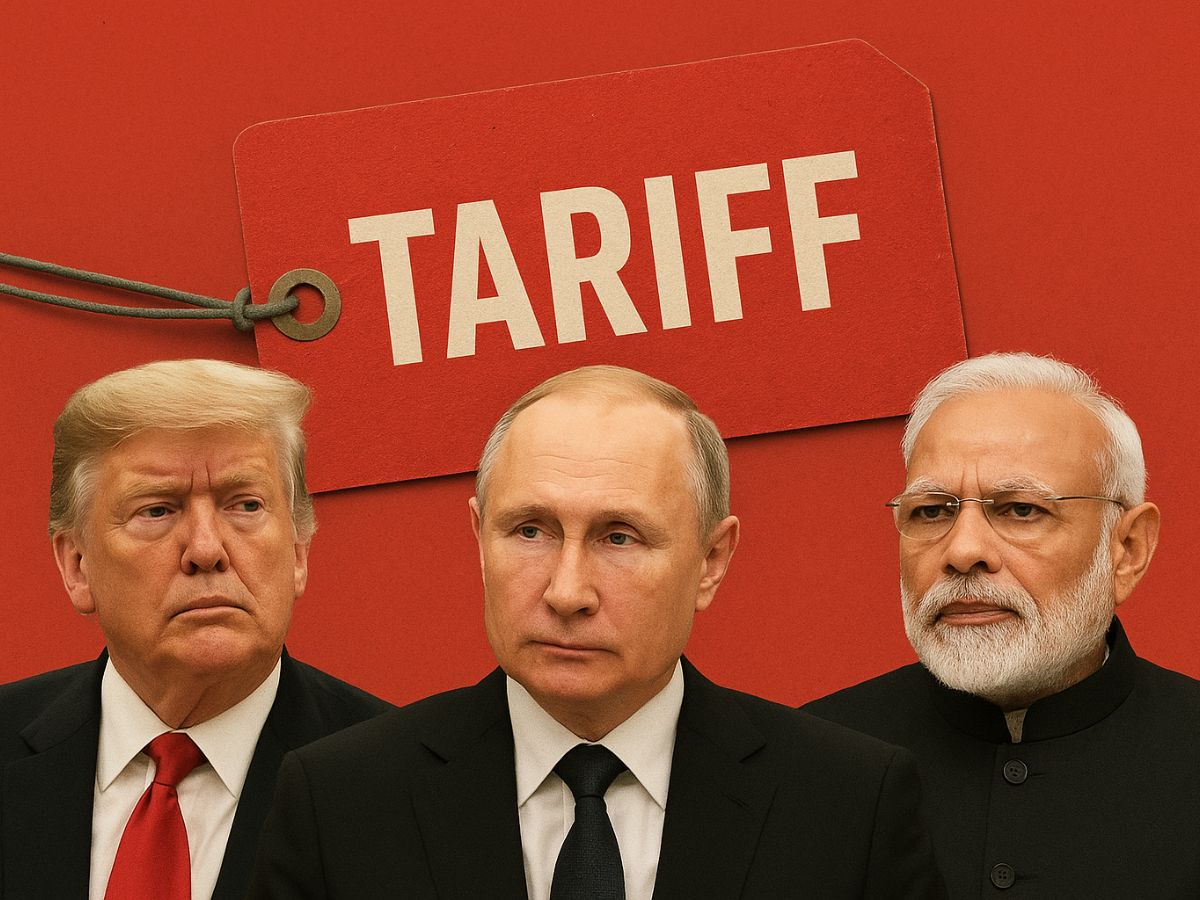
According to a Bloomberg report, the United States has circulated a proposal to G7 allies urging tariffs of up to 100 per cent on China and India for their continued purchases of Russian oil. The move aims to choke Moscow’s energy revenues and increase economic pressure on President Vladimir Putin to end the war in Ukraine.
What Did Trump Say?
President Donald Trump, in an interview with Fox News on Friday, warned: “My patience with Putin is running out fast. It’ll be hitting very hard on with sanctions to banks and having to do with oil and tariffs also.”
He admitted that his government’s tough tariff stance has affected ties with New Delhi, “Look, India was their (Russia’s) biggest customer. I put a 50% tariff on India because they’re buying oil from Russia. That’s not an easy thing to do. That’s a big deal. And it causes a rift with India.”
How Does India Fit Into This?
- India remains one of Russia’s top buyers of crude oil.
- Washington imposed 50% tariffs on Indian imports earlier this year.
- Trump acknowledged strained ties but said trade talks with Prime Minister Narendra Modi are still underway.
- This tension highlights the balancing act: the US wants India aligned against Moscow but risks alienating a key strategic partner.
What Is the G7’s Role?
The US proposal, currently under G7 review, also includes:
- Secondary tariffs (50–100%) on Chinese and Indian oil-linked trade.
- Legal framework to seize Russia’s frozen sovereign assets (around $300 billion, mostly in Europe).
- Expanded sanctions on Russia’s “shadow fleet” of oil tankers and Rosneft PJSC.
- Blocking insurance services for Russian maritime shipping.
Canada, which holds the G7 presidency, convened finance ministers on Friday to discuss “further measures to increase pressure on Russia and limit their war machinery.”
Also Read: India Joins 141 Nations: Why Modi Government Backed the UN’s Palestine Resolution
Will Europe Agree?
The plan faces resistance in Europe. Several EU states, especially Hungary, oppose sweeping sanctions on Russia’s energy sector. Since new EU restrictions require unanimous support, consensus remains uncertain.
Trump has reportedly told European officials that he is ready to impose tariffs on China and India unilaterally — but only if Europe joins in.
Why Now?
The pressure campaign follows a missed deadline Trump set for Putin to meet Ukraine’s President Volodymyr Zelenskyy. Instead of progress, Russia intensified bombings and paused negotiations.
Although Trump has repeatedly threatened stronger sanctions, his administration has so far refrained from directly targeting Russia’s core oil sector. Instead, India and China have emerged as indirect pressure points.
Also Read: Court Backs Trump’s Move to Revoke Status for Thousands of Migrants
What’s Next?
- The EU is finalizing its 19th sanctions package, expected to hit more Russian banks and expand energy restrictions.
- US officials are exploring gradual seizure of frozen Russian assets, not just using profits for Ukraine but tapping into the principal funds.
- Debate within the G7 will determine whether Washington’s proposal moves forward or stalls amid European hesitations.