
Japan’s political map witnessed a dramatic shift Sunday as the ultra-nationalist Sanseito party, echoing the populist strategies of former U.S. President Donald Trump, made major gains in the country’s Upper House elections, riding on its “Japanese First” rhetoric and calls to “Make Japan Great Again.”
The ruling Liberal Democratic Party (LDP), led by Prime Minister Shigeru Ishiba, along with its junior coalition partner Komeito, failed to retain a majority in the 248-seat House of Councillors, securing just 47 of the 125 contested seats—far short of the 63 required for a simple majority. It marks a serious blow to Ishiba’s leadership and leaves the administration vulnerable to legislative gridlock.
Sanseito: From Fringe to Force
Sanseito, a right-wing populist party formed in the post-pandemic years, shocked mainstream analysts by clinching 14 seats, its best-ever showing since inception. The party’s program, which evoked a sort of Japanese exceptionalism reminiscent of Trump’s America First movement, combined protectionist economic policies, anti-globalist emotions, and a nationalist renaissance.
Campaign slogans such as “Protect Japan, Empower Japanese” and “No to Foreign Interference” struck a chord with voters disillusioned by the economic stagnation and perceived erosion of traditional values.
The party’s leader, Masayuki Shichida, declared the results as “a turning point for Japan,” stating, “We will put the Japanese people first again. The days of silent suffering are over. This is a new era of patriotic governance.”
LDP’s Freefall: Economic Anger and Cultural Anxiety
The LDP’s loss in the Upper House comes after a poor showing in last year’s Lower House elections. The public’s discontent with Prime Minister Ishiba has grown as a result of the poor post-COVID recovery, rising prices, and inability to control population loss. Critics contend that the policies unfairly favored foreign investors and multinational firms despite efforts to change taxes and stimulate the economy.
Sanseito exploited the hole left by liberal immigration liberalization and gender policies that were seen as undermining “Japanese identity” and further alienated conservative supporters.
Opposition Gains, But Nationalists Dominate Narrative
Sanseito’s grassroots organizing and ideological fervor dominated media and campaign attention, while traditional opposition parties such as the Constitutional Democratic Party of Japan (CDP) and the Democratic Party for the People (DPP) recorded modest gains.
Exit polls revealed Sanseito secured overwhelming support among young male voters, rural populations, and those who identified with “cultural sovereignty” concerns.
A Divided Parliament, A Weakened Prime Minister
With the ruling coalition losing its grip on both houses, legislative paralysis looms large. Key reforms—including a long-pending US-Japan bilateral trade bill and proposed constitutional revisions—may now stall indefinitely.
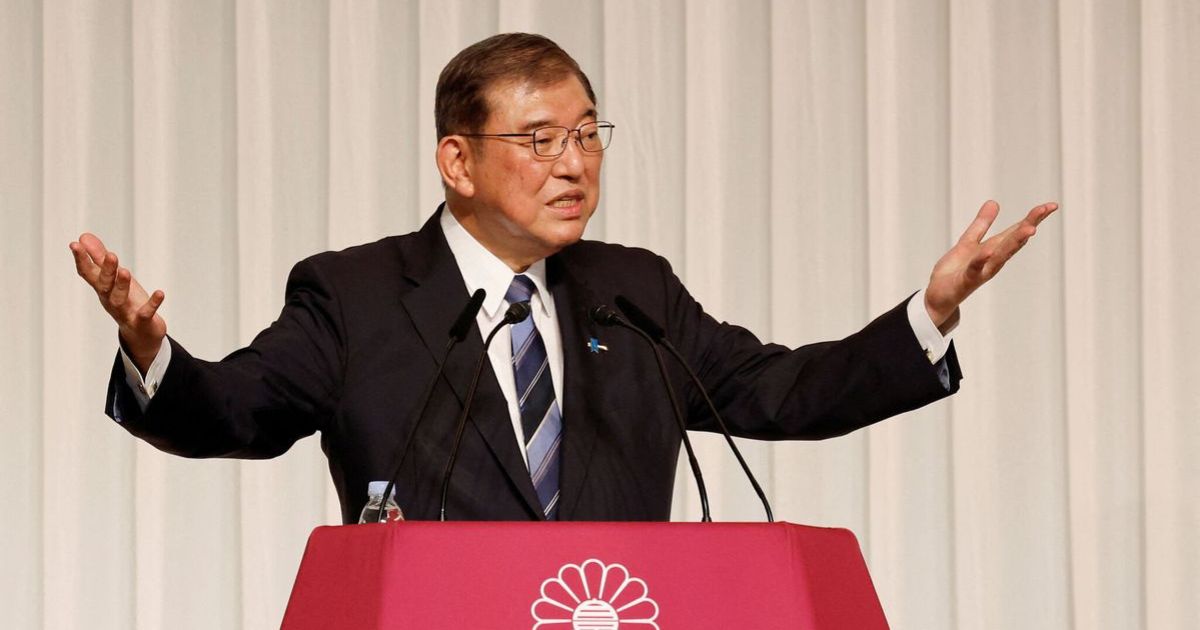
In a post-midnight press conference, Prime Minister Ishiba called the results “a wake-up call” but ruled out resignation. “We respect the people’s voice. We will introspect and reconnect,” he said.
Yet internal murmurs within the LDP suggest that Ishiba’s leadership is hanging by a thread. A potential leadership challenge ahead of the next regional elections has been sparked by reports that a faction led by senior politician Yasutoshi Nishimura is organizing a strategy meeting.
Make Japan Great Again?
The Japanese political center is in danger now that Sanseito is firmly in the national spotlight.
Analysts caution that the party’s rise is a reflection of a broader public yearning for economic protectionism, cultural control, and identity in a world growing more interconnected by the day.
It remains to be seen if Sanseito can turn electoral victories into long-lasting policy influence, but one thing is certain: populist slogans like “Make Japan Great Again” are no longer on the periphery of Japanese politics; rather, they are becoming commonplace.