
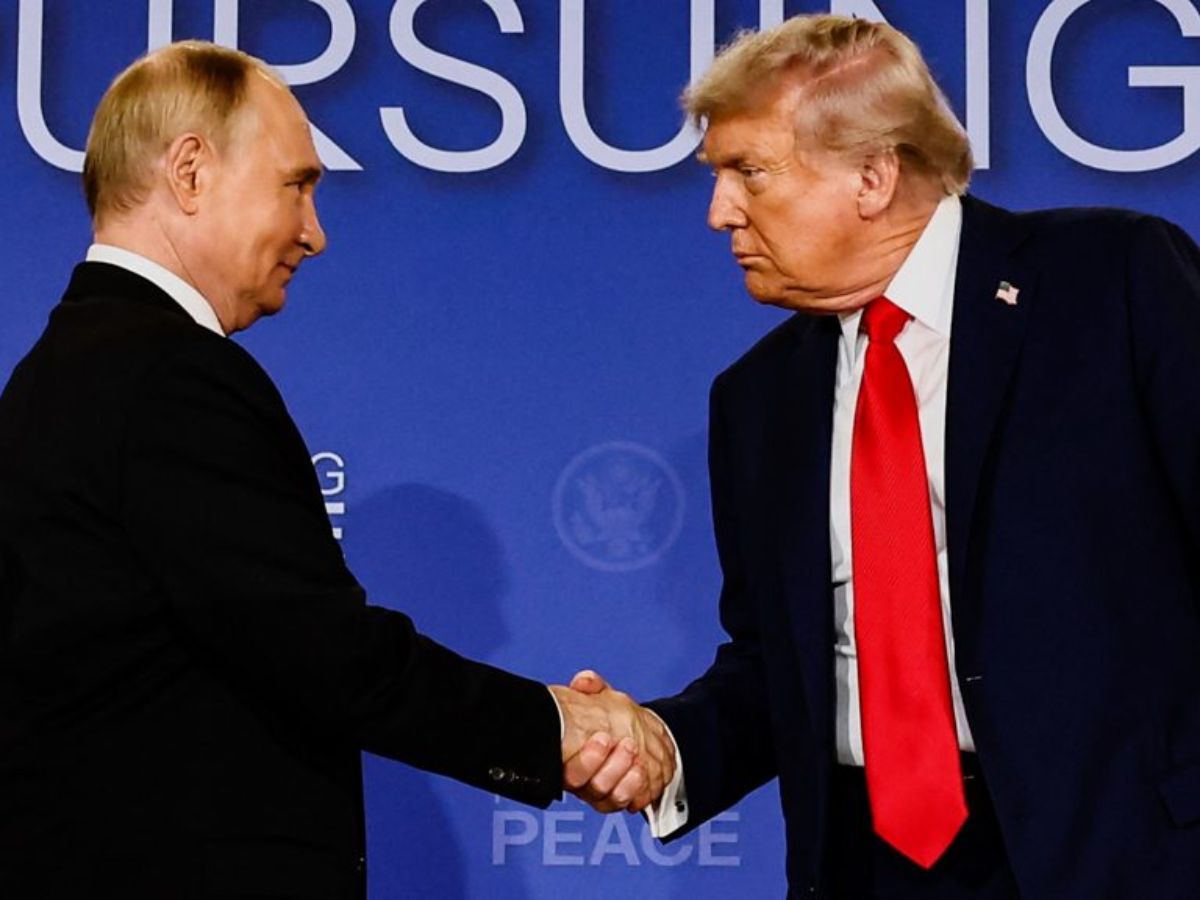
In a significant development that could reshape the war in Ukraine, Russian President Vladimir Putin stated on Friday that a U.S. peace proposal could form the foundation for ending the conflict. However, he coupled this openness with a stark warning: if Kyiv rejects the plan, Russian forces will continue their military advance.
What is the US Peace Plan?
The plan, suggested by U.S. President Donald Trump, is said to support several major Russian demands. Although the full 28-point proposal hasn’t been released, it reportedly covers crucial matters such as Ukraine’s potential NATO membership, possible territorial changes, and the status of areas now under Russian control. President Trump has given Ukraine a deadline until the coming Thursday to accept the terms, creating a high-stakes diplomatic countdown.
Why is Putin Supporting This Plan Now?
President Putin told his Security Council that the U.S. plan had not been discussed in detail but that Moscow had received a copy. He asserted that Russia had already made compromises as requested by Washington prior to their August summit in Alaska. By publicly endorsing the proposal, Putin positions Russia as a willing partner for peace, shifting the onus of refusal onto Ukraine. He claimed that neither Kyiv nor European powers understand the reality that Russian forces are advancing and will continue to do so without a deal.
What is the Ultimatum for Ukraine?
The Russian leader’s statement carries a clear and threatening ultimatum. He declared that if Ukraine refuses the proposal, the recent Russian capture of the city of Kupiansk will be “repeated in other key sectors of the front.” This direct linkage between diplomacy and military action is designed to pressure Kyiv into accepting terms that may involve significant concessions. Ukrainian President Volodymyr Zelenskiy has already indicated that the nation faces an impossible choice between its dignity and freedom or Washington’s crucial support.
Also Read: ‘Dignity for Every Worker’: How India’s New Labour Codes Transform Employee Rights
What are the Stakes for the Region?
The situation presents a critical juncture for the conflict. Russia currently controls just over 19% of Ukrainian territory and seeks to gain all of the Donbas, Kherson, and Zaporizhzhia regions. The U.S. plan, by reportedly aligning with several Russian objectives, could force Ukraine into a painful settlement. Putin’s approval—paired with his warning of further escalation, creates a small opening for talks, but under the clear risk of more violence. It puts Ukraine’s sovereignty and the entire post-invasion order under direct pressure.