
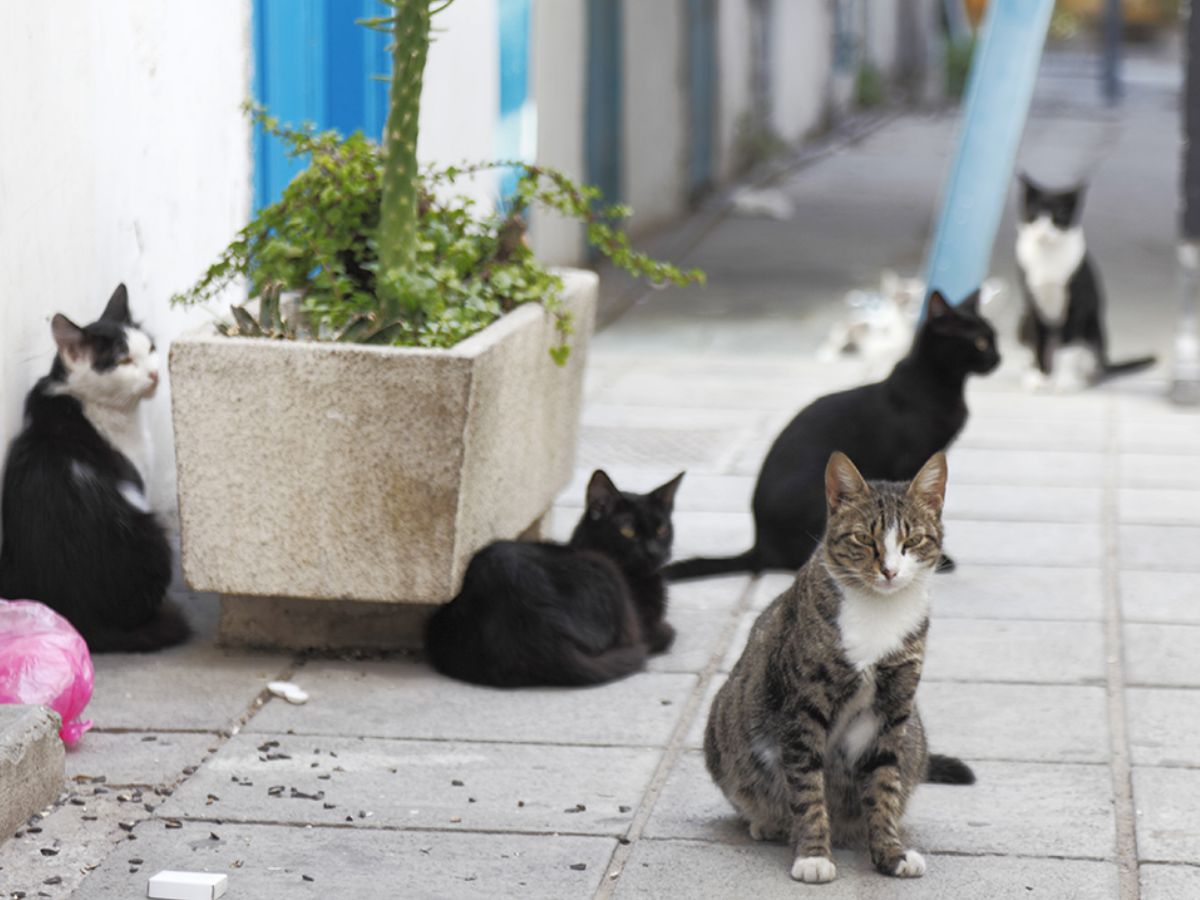
The island of Cyprus has been known as a haven for cats for years. Locals and tourists love to see cats, often providing tiny shelters, food dispensers, and daily care. But this affection has led to an unexpected crisis — the cats have outnumbered the humans. Officials estimate there is at least one stray cat for every one of the country’s one million residents, and animal activists believe the real number is far higher.
This growing feline population is now causing major concerns. More cats are being hit by cars, while their hunting instincts threaten local bird species. Most strays are not sterilised, which means the population keeps multiplying. As one report put it bluntly, “The island of cats has a cat problem.”
Limited Programs, Expanding Challenges
During a parliamentary committee meeting in late September, Cyprus’s Environment Commissioner Antonia Theodosiou admitted that the country’s sterilisation program was too limited to manage the crisis. “It’s a good programme, but it needs to expand,” she said. Currently, only about 2,000 cats are sterilised each year on a small budget of €100,000 (Rs 1.02 crore).
Cyprus, she added, now has “a reputation for having a cat population that is exceptionally large relative to its human inhabitants.”
Boosting Funds — But “There Has to Be a Plan”
In response, Environment Minister Maria Panayiotou announced on World Animal Day (October 4) that the government would triple the sterilisation budget to €300,000 (Rs 3.07 crore). The move was praised by many as a step in the right direction.
However, Charalambos Theopemptou, chairman of the Parliamentary Environment Committee, cautioned that funding alone was not enough. “There has to be a plan,” he said. “We can’t just go ahead with sterilisations without having a plan.”
Experts warn that without proper strategy, uncontrolled breeding will continue to harm both the ecosystem and the cats themselves, many of whom suffer injuries or starvation on the streets.
Cyprus: A Historic Bond With Cats
Cyprus’s love affair with cats is centuries old. In fact, the island holds archaeological and religious links to these animals. About 9,500 years ago, archaeologists found the world’s earliest evidence of a domesticated cat buried beside a human in a Neolithic village.
Another legend traces back to the 4th century when Saint Helen reportedly brought shiploads of cats to Cyprus to control a snake infestation. Even today, St. Nicholas of the Cats Monastery stands as a sanctuary for these animals.
Cats are now part of Cyprus’s tourist identity. Visitors often spot them lounging in restaurants or wandering through historic sites, well-fed by the kindness of locals and travellers alike.
Also Read: Cyprus government: Anti-Israel slur graffiti Is illegal, will be removed everywhere
Experts Call for Unified Sterilisation Efforts
According to Demetris Epaminondas, president of the Veterinary Association, unchecked breeding and survival of more kittens are driving the boom. The government’s current sterilisation program — which distributes funds to municipalities and private veterinarians — is “lesser than the real need.”
Animal groups say the process is slow and disorganised. Elias Demetriou, who runs Friends of Larnaca Cats, insists that simply tripling the budget won’t help unless conservationists are directly involved in catching and sterilising cats.
Similarly, Eleni Loizidou, head of Cat Alert, said her team’s effort to round up 397 cats in Nicosia “was a mere drop in the ocean.” She added that too few female cats are sterilised, mainly because trapping feral cats is difficult.
A Four-Year Path to Control
Despite the challenges, Epaminondas believes the cat population could be brought under control within four years if authorities launch a unified, nationwide sterilisation plan. He suggests using private veterinary clinics for free neutering to remove bureaucratic barriers.
“People will be more motivated to get cats neutered if we make it easier for them to do so,” he said.
His association also proposed a mobile app where citizens can report cat colonies to help authorities track and sterilise them. He further suggested creating a donation fund for public and corporate contributions to ease government spending.
Currently, sterilising a female feral cat costs about €55 (Rs 5,650), while domestic cats cost up to €120 (Rs 12,300) due to extra care.
A Long-Term Strategy in the Making
Environment Commissioner Theodosiou confirmed that her office is working on a comprehensive, long-term plan involving the government, NGOs, and volunteers. This initiative would accurately count the cat population, expand mass sterilisation programs, and legalise private sanctuaries.
Eleni Loizidou of Cat Alert remains hopeful: “There are solutions.”