
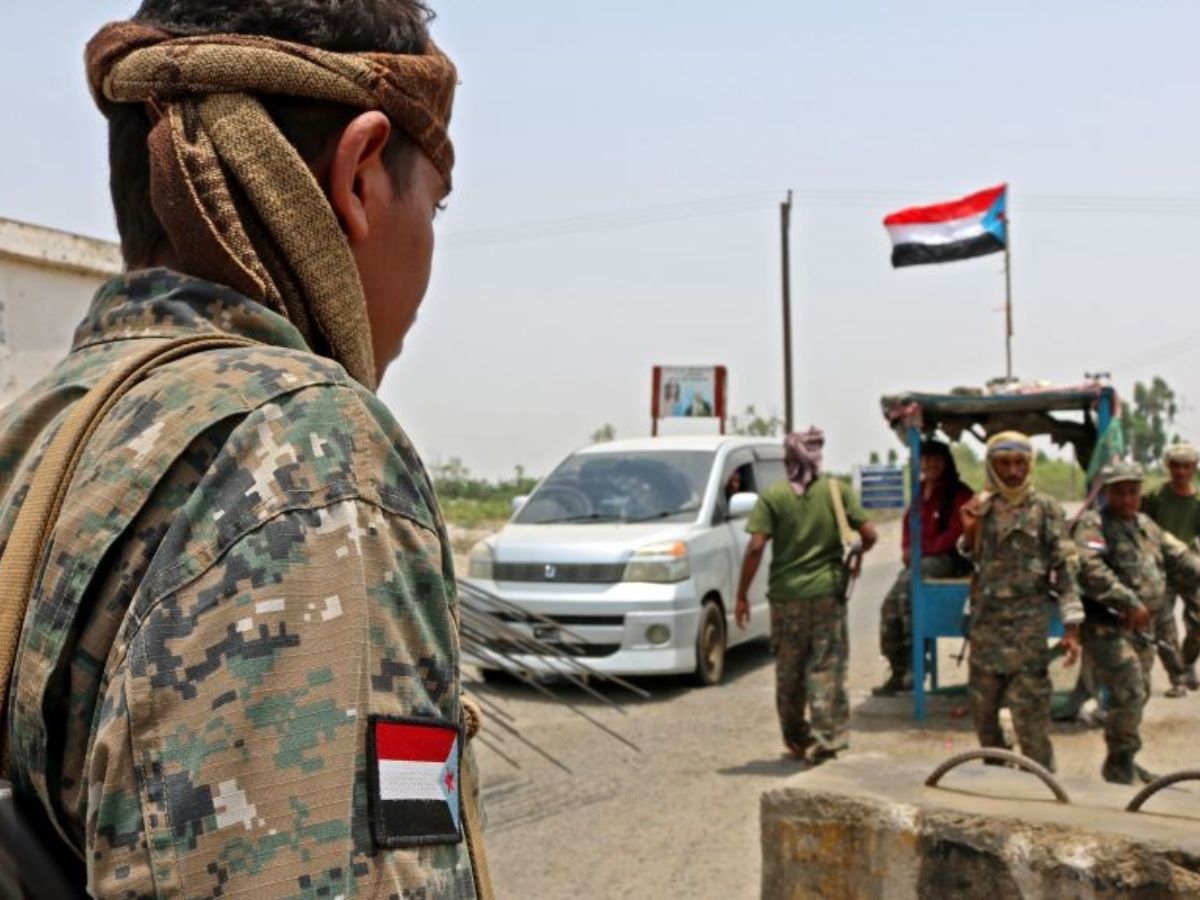
DUBAI, UAE, December 31, 2025 —The United Arab Emirates announced Tuesday it is withdrawing its remaining forces from Yemen, following a Saudi-backed ultimatum and a Saudi-led airstrike on the port of Mukalla. This move marks the most serious public rupture to date between the two Gulf allies in the long-running Yemen conflict.
Why is the UAE withdrawing now?
The withdrawal follows a direct 24-hour ultimatum from Rashad al-Alimi, head of Yemen’s Saudi-backed Presidential Council, who accused the UAE of backing southern separatists and ordered Emirati forces to leave. This demand was backed by Saudi Arabia. The announcement came hours after a Saudi-led coalition airstrike targeted the port of Mukalla, which Riyadh claimed was receiving a UAE-linked weapons shipment for separatist forces.
Also Read: Eurostar Suspension: Channel Tunnel Power Problem Halts London-Paris Trains
What happened in the Mukalla airstrike?
The Saudi-led coalition stated it bombed a dock in Mukalla used to receive foreign military support for Yemen’s separatist Southern Transitional Council (STC). Riyadh said intelligence showed containers arriving from the UAE were loaded with weapons and ammunition destined for Hadramout province. Saudi state media reported the strike caused no casualties, but Yemeni state television broadcast footage of black smoke and burned vehicles at the port. The UAE denied the shipments contained weapons, insisting they were destined for its own forces.
What is the deeper rift between Saudi Arabia and the UAE?
Once close partners in the coalition against Yemen’s Houthi movement, the two nations’ interests have sharply diverged. Saudi Arabia backs Yemen’s internationally recognized government and views the country’s territorial integrity as a national security “red line.” The UAE has increasingly supported the STC, which seeks self-rule in southern Yemen. Riyadh has accused Abu Dhabi of pressuring the STC to expand towards Saudi borders, using its strongest language yet in the dispute.
Who is the Southern Transitional Council?
The STC is a powerful southern Yemeni separatist group that nominally participates in Yemen’s Saudi-backed Presidential Council but seeks self-rule. Declaring that the UAE is still a vital ally in the fight against the Houthis, it refused the Presidential Council’s directive for UAE forces to withdraw. Despite Saudi concerns, the STC is now able to assert broad control over southern provinces, notably Hadramout, after breaking a years-long standoff with a recent military attack.
What are the broader implications?
The crisis has drawn international attention, with the U.S. State Department confirming Secretary of State Marco Rubio discussed the tensions with Saudi Arabia’s foreign minister. Economically, as influential OPEC members, a sustained dispute could complicate consensus on oil output, and Gulf stock markets fell following the escalation. The UAE’s withdrawal may ease short-term military tensions, but uncertainty remains over its future political and financial support for the STC.
FAQ
Q: What forces is the UAE withdrawing?
A: The UAE is withdrawing its last remaining counterterrorism units, which it stated were “specialised personnel” operating in coordination with international partners.
Q: What did Saudi Arabia say about the Mukalla strike?
A: The Saudi-led coalition said it targeted a dock receiving a weapons shipment from the UAE destined for the Southern Transitional Council in Hadramout province.
Q: How did Yemen’s government react?
A: The Saudi-backed Presidential Council head, Rashad al-Alimi, ordered UAE forces to leave within 24 hours and announced a 72-hour blockade of ports and a no-fly zone.
Q: Are Saudi Arabia and the UAE still allies?
A: The two remain Gulf partners, but this incident reveals their deepest public split over Yemen strategy, with Riyadh calling UAE-backed separatist expansion a national security “red line.”