
Israel Broadens Conflicts
Israel has made air attacks in six nations over the last three days, marking a record level of escalation in its military campaign. The operation started with a precision strike against a Hamas leadership complex in Doha, Qatar, which resulted in six deaths, including the son of Hamas senior official Khalil al-Hayya. Israeli officials verified that the operation was aimed at primary Hamas targets, although the movement’s highest leadership was said to have survived.
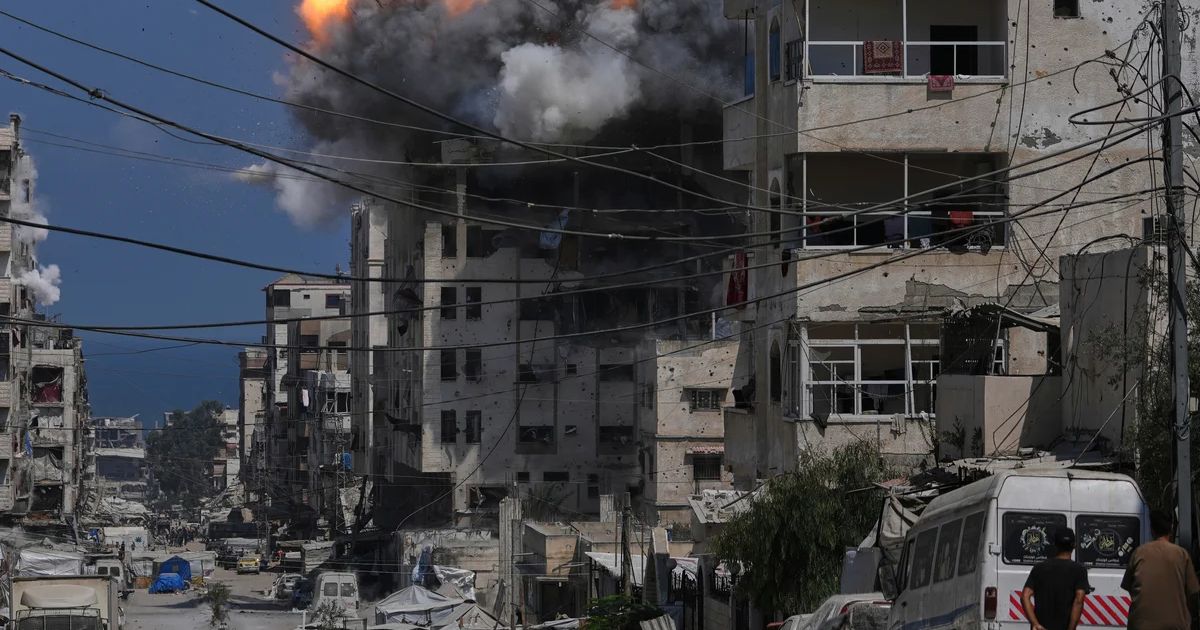
In Gaza, the war keeps exacting a high price from civilians. At least 150 have been killed and over 540 others injured by Israeli airstrikes since Monday. Gaza City has been hard hit, with high-rise apartments reduced to rubble, major infrastructure destroyed, and residents displaced from their homes. Humanitarian groups have reported that starvation and homelessness have further worsened the crisis.
Attacks on Lebanon, Syria, and Yemen
Israel’s military has also been extended to Lebanon, where air raids against the Bekaa and Hermel regions killed a minimum of five. Israeli officials stated that the bombings targeted Hezbollah weapons storage facilities and warehouses. Israel fired on Hezbollah member Majed Hamzeh near Beirut with a drone. In Syria, meanwhile, air raids pounded an air force base in Homs and a military barracks close to Latakia. Syria denounced the attacks as acts of aggression against sovereignty, and state media described them as aggressive escalations that compromised regional security.
Deeper south, Israel attacked Houthi military positions in the capital, Sanaa, hitting the airport and major government facilities. This was the second in a month’s time Sanaa airport attack. Previous attacks had killed the Houthi Prime Minister and other high-ranking officials and further escalated Yemen’s humanitarian crisis.
Flotilla Targeted Off Tunisian Coast
Israel also struck ships defying its Gaza blockade. The Global Sumud Flotilla’s lead ship, the Family Boat, was damaged by a suspected drone attack while in port in Tunisia. A second ship, the Alma, was also damaged by another drone attack. Both were damage-only attacks with no casualties, but they illustrate Israel’s expanding capabilities in seeking to impose its maritime blockade.
ALSO READ: Netanyahu Revives $1 Billion West Bank Settlement Plan, Igniting Global Outcry And Tensions
Concerning Regional Stability
Israel’s simultaneous attacks in Qatar, Gaza, Lebanon, Syria, Yemen, and in Tunisian waters are a dramatic spread of its military campaign. It is feared by analysts that the region may become further destabilized by such a quick succession of attacks, complicate diplomatic solutions, and attract more international condemnation, especially with ceasefire talks ongoing for Gaza.
This six-country offensive underscores Israel’s aggressive approach to counter perceived threats, but it also raises urgent questions about civilian safety and the potential for wider regional conflict.