
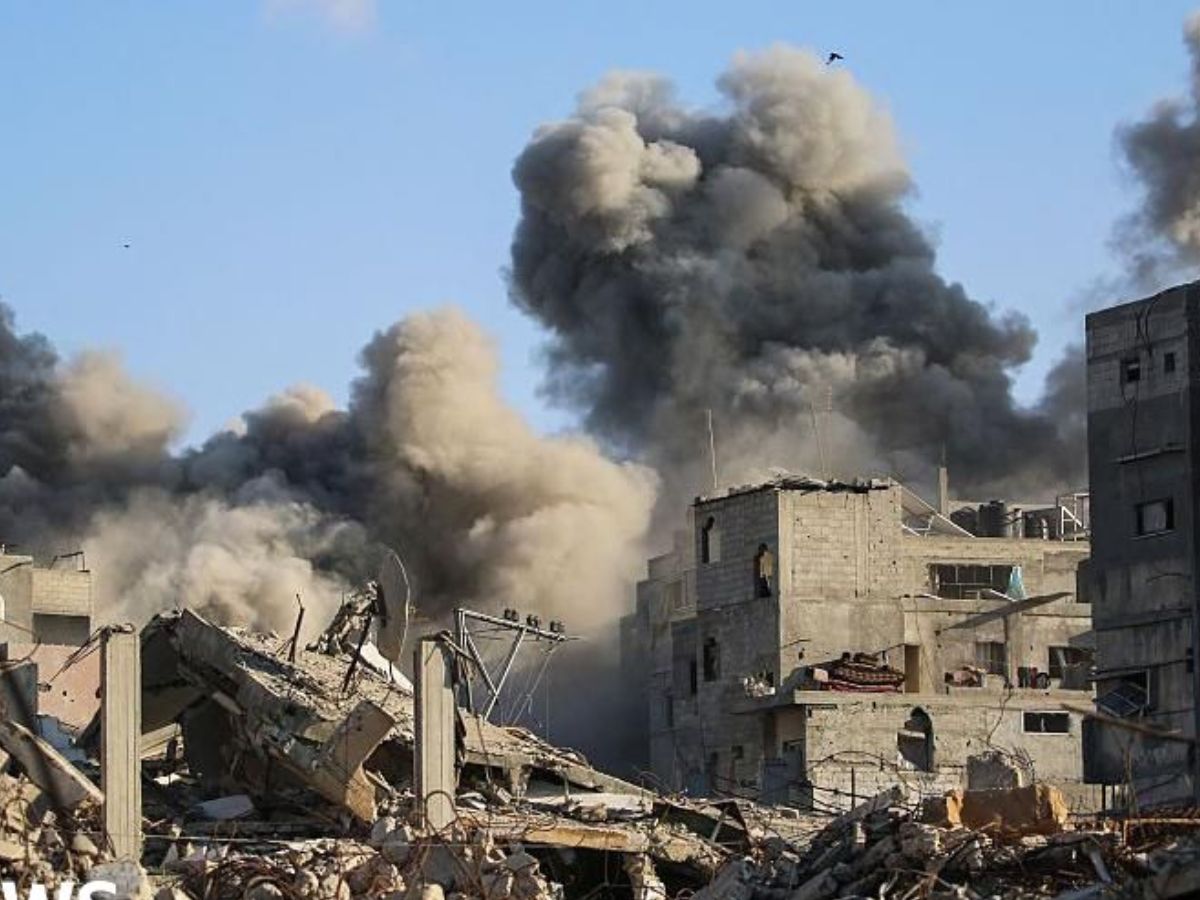
Israeli attack helicopters have launched airstrikes in southern Gaza and Gaza City, according to multiple reports. Witnesses say the strikes hit within the so-called “yellow line,” an area that marks territory still under Israeli control. These recent attacks come amid a shaky US-brokered ceasefire, raising serious doubts over whether the truce will hold.
What Strikes Involved?
Helicopters targeted areas east of Gaza City, particularly within zones still controlled by Israel. Artillery also shelled parts of the southern Gaza Strip, including Khan Younis. The Israeli military says it struck “terrorist infrastructure” in these areas. Civil defence agencies in Gaza report casualties.
Ceasefire Under Threat
Israel claims these operations respond to alleged ceasefire violations by Hamas. Meanwhile, Palestinian authorities and humanitarian groups warn that such strikes could collapse the fragile truce.
Some argue that the “yellow line,” which marks areas Israeli troops control, may be becoming more permanent. But critics warn that fixing it in place could deepen division and displace civilians.
Human Impact and Civilian Risks
Areas hit by the strikes are densely populated. In Gaza City, civil defence reports confirm damage and loss of life. Residents say they live in fear as helicopters and artillery fire intensify.
Already, Gaza’s health infrastructure is severely strained. Hospitals are overwhelmed, supplies are scarce, and any disruption in aid or medical access risks rekindling a humanitarian crisis.
Is the ‘Yellow Line’ Becoming a De Facto Border?
Analysts now worry that the “yellow line” may not just mark a temporary ceasefire line — but could evolve into a permanent boundary.
If that happens, it would reshape Gaza’s geography permanently. Many fear that Israel could be trying to solidify control over large parts of the enclave by keeping military positions and infrastructure intact.
Such a move could complicate any future peace deal. It would also raise serious international legal and humanitarian questions, as the division could displace even more civilians and reduce their access to essential services.
Helicopter Strikes Raise Questions Over Ceasefire Stability
The helicopter strikes underline the volatile nature of the truce in Gaza. While the agreement is supposed to pause major combat, both sides accuse the other of violations.
International mediators will likely face pressure to enforce clearer boundaries or broker stronger guarantees. For now, civilians in Gaza remain on edge — caught between fragile peace promises and sudden escalations from the sky.