
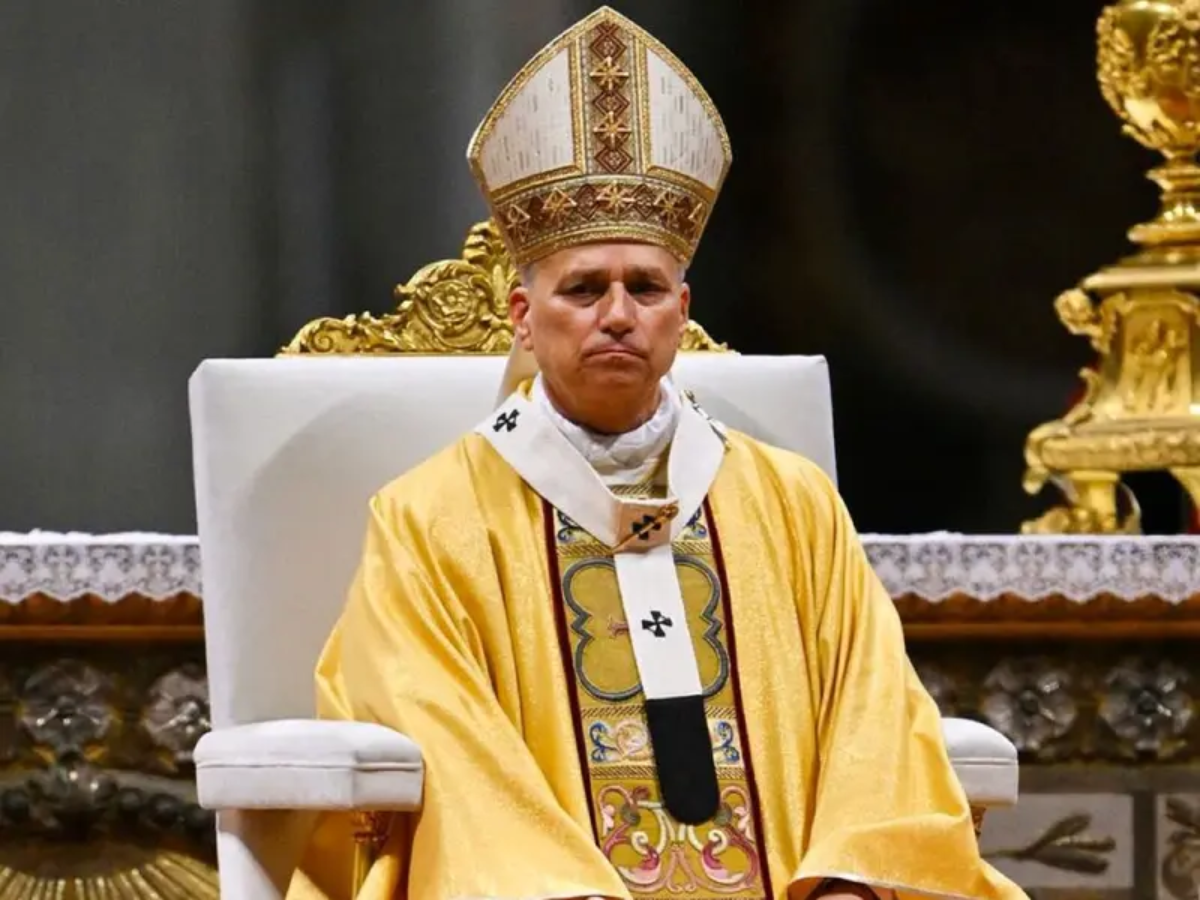
The Christmas sermons at the Vatican are typically moments of quiet reflection, thick with scriptural and symbolic meaning. This year, Pope Leo chose a different register altogether. For his maiden Christmas address as pontiff, he turned the nativity story toward the present, to call attention to the daily reality of Palestinians in Gaza. The message was direct, emotional and hard to ignore.
From the Manger to Modern Suffering
Recalling Jesus birth in a manger, Pope Leo described God’s decision to choose fragility over power. He tied that image to those families in Gaza, who, he said, were forced to live under makeshift shelters with exposure to extreme weather and uncertainty.
The use of tents rather than thrones was a rhetorical device through which Leo reframed Christmas as a time that reminded him of human vulnerability rather than comfort. A comparison that was sure to strike a chord but most especially during a season of the year when it is usually mitigated by both tradition and ritual.
A Pope Breaking His Own Pattern
Leo is widely regarded as cautious and measured are compared to his predecessor and tends to hold politics at arm’s length in sermons. That made his remarks stand out. Without naming governments or assigning blame with a focus on Gaza signaled moral urgency that cut through diplomatic language.
ALSO READ: Tarique Rahman Returns to Bangladesh After 17 Years in Exile, Receives Warm & Grand Welcome
Since his election in May, he has spoken repeatedly about Palestinian suffering and of the need for a political future that includes statehood. Christmas gave him a global audience, and he used it.
What is the Toll of War Beyond Borders
The pope broadened his frame further than Gaza, to those civilians everywhere who have become caught in the war. He spoke of cities reduced to rubble and young people pushed into violence that they do not understand.
His words challenged the rhetoric of leaders who speak of honour and strategy while others carry the cost. He did this by reminding listeners that war destroys not just bodies and buildings, but minds and moral boundaries too.
Faith – A Call to Responsibility
This sermon wasn’t a policy prescription this was an appeal to conscience. By linking faith with present suffering, Pope Leo suggested that belief without responsibility is dead. At Christmas time, in his telling, it isn’t just hope promised, but it’s compassion practiced.
The challenge he posed couldn’t have been more simple, or more uncomfortable: If God chooses to dwell among the vulnerable, ignoring them is a choice no believer can justify.
Disclaimer: This article reflects interpretation and commentary based on reported statements and does not claim to represent official Vatican policy or positions.