
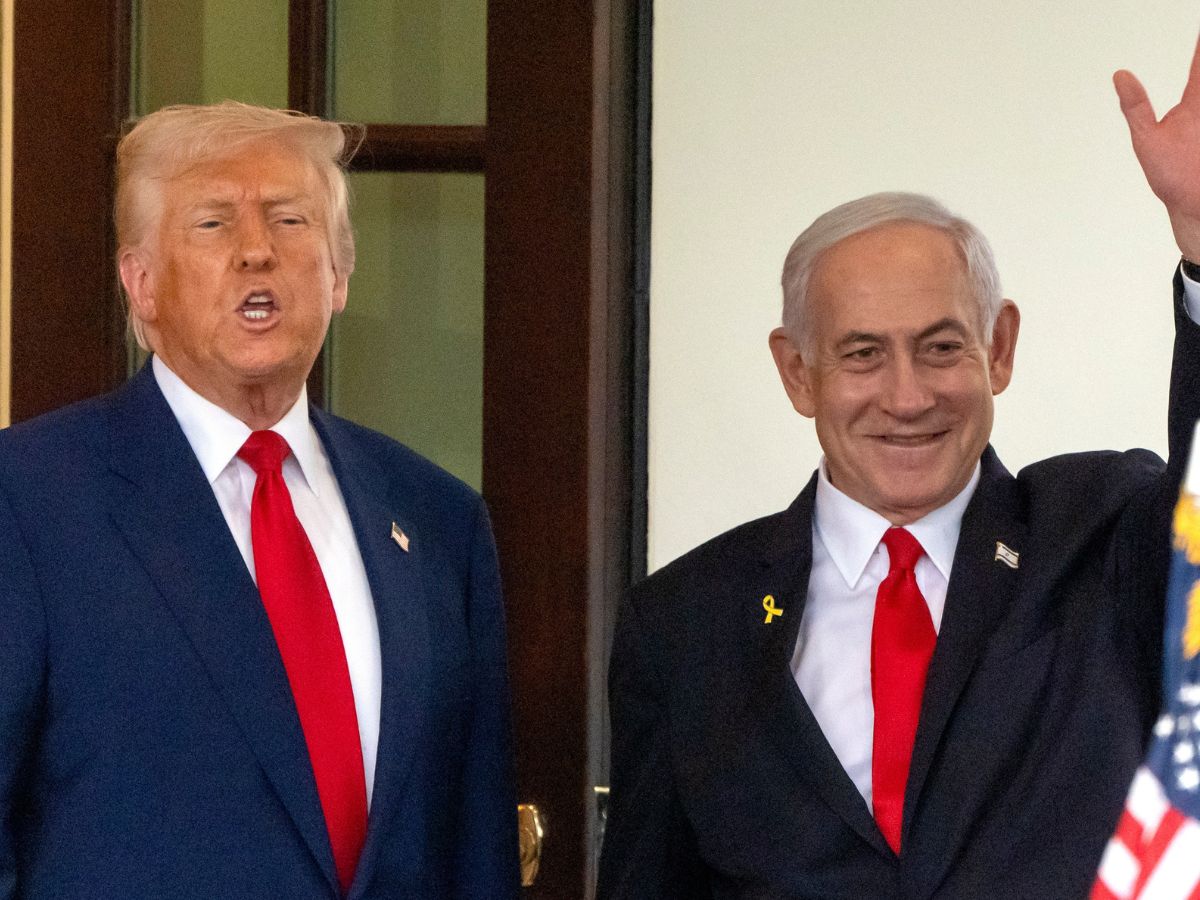
Hamas has long called Donald Trump a racist and a “recipe for chaos.” Yet, in a dramatic reversal, the militant group has now placed a massive bet on the U.S. president’s word. A ceasefire deal brokered by Trump, which took effect Friday, saw Hamas agree to surrender all its hostages without a guaranteed full Israeli withdrawal. This risky move was heavily influenced by one extraordinary phone call last month that convinced Hamas leaders Trump could stand up to Israel.
What Changed Hamas’s Mind?
The turning point was Trump’s public handling of an Israeli airstrike on Qatar’s capital, Doha. The strike targeted a residential complex housing Hamas political leaders. In a widely publicized call, Trump had Israeli Prime Minister Benjamin Netanyahu apologize to Qatar’s prime minister for the attack. This act gave Hamas a new perspective. Two Palestinian officials said it showed them Trump was both willing and able to pressure Netanyahu and was serious about ending the war. A Palestinian official in Gaza noted, “Though theatrical, he does what he says,” citing Trump’s past order for Israeli planes to “turn around and head home” during a conflict with Iran.
Also Read: A Base for an Ally: Why Qatar is Building at a US Air Force Base in Idaho?
What Does the Ceasefire Deal Involve?
The deal, which emerged from marathon talks in Sharm el-Sheikh, marks a significant concession from Hamas. For years, the group insisted it would only release hostages in exchange for a full Israeli withdrawal and a permanent end to the conflict. This agreement breaks that core demand. Hamas has agreed to give up its primary leverage—the hostages—in return for a halt in fighting and a partial Israeli pullback. However, key issues like a full Israeli withdrawal, a Palestinian state, and Hamas disarming are left for future, uncertain phases.
Why is This a Gamble for Hamas?
Hamas leaders are acutely aware this gamble could backfire. One Hamas official acknowledged the fear that once hostages are released, Israel could simply resume its military campaign. This exact scenario unfolded after a January ceasefire, which also involved Trump’s team. The group received no formal, written guarantees for the later phases of the plan. Instead, they are relying on verbal assurances from the U.S. and mediators—Egypt, Qatar, and Turkey—that Trump is too invested in the deal to let it fail. “As far as we are concerned this agreement ends the war,” one Hamas official stated, highlighting their hope.
Also Read: Multiple Fatalities After Massive Explosion Rocks Tennessee Factory
What Secured the Deal?
The presence of Trump’s closest confidants was crucial to closing the agreement. Jared Kushner and envoy Steve Witkoff shuttled between negotiators, and Trump himself called three times during the final session. This heavy U.S. engagement, combined with pressure from Arab mediators, reassured Hamas. Furthermore, mediators successfully argued that holding hostages had become a liability, undermining global support for Palestinians. The group calculated that without hostages, Israel would lack the credibility to restart large-scale fighting, especially with a U.S. president determined to see his deal succeed.
Disclaimer: This analysis is based on reports from Reuters and statements from officials involved in the negotiations.