
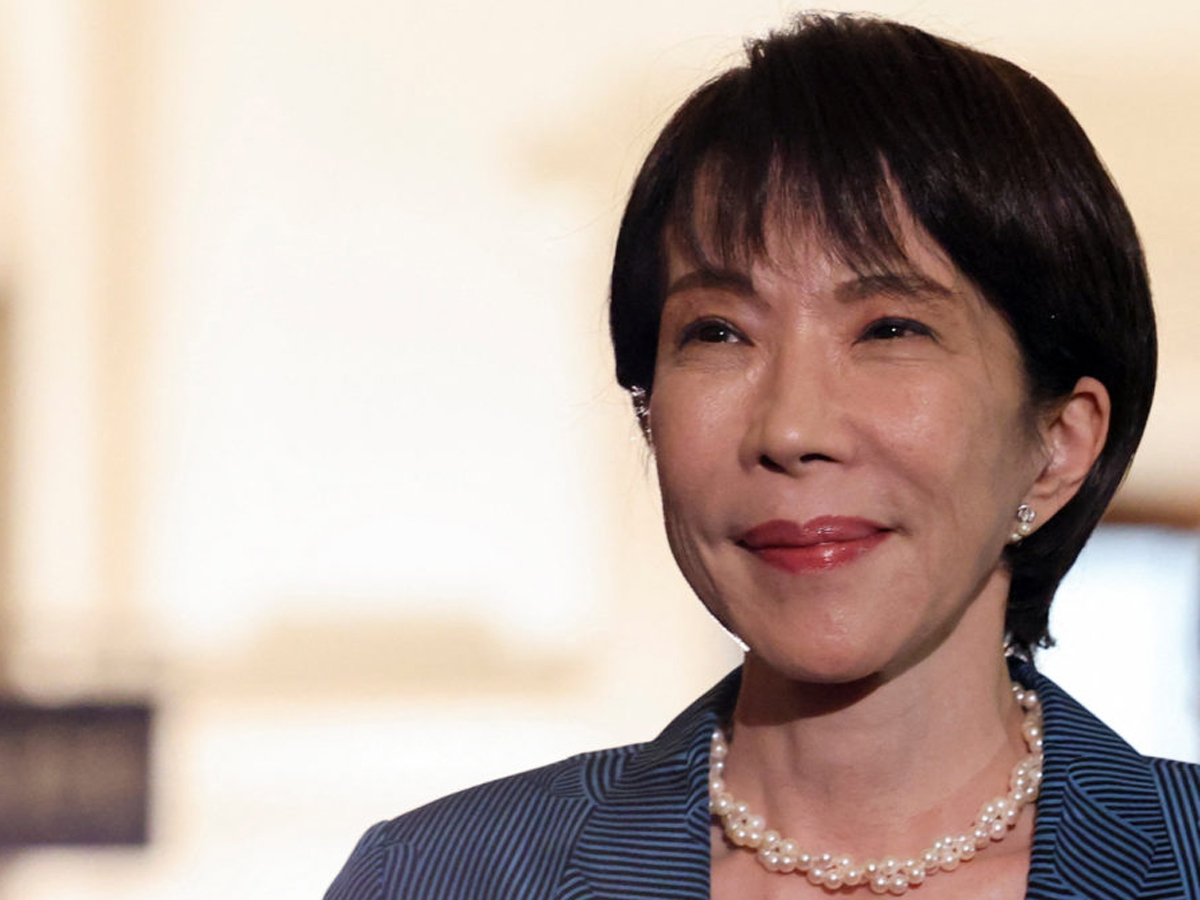
Sanae Takaichi has made history by becoming Japan’s first female prime minister. The ruling Liberal Democratic Party (LDP) leader won a crucial vote in the lower house on Tuesday, paving the way for her to take office soon.
The 64-year-old leader received 237 votes out of 465 in the lower house. With this majority, she is set to be approved by the upper house and formally sworn in as Japan’s 104th prime minister after meeting the emperor.
Takaichi will take over from Shigeru Ishiba, who resigned last month after a poor election result.
Historic Moment for Japan
Japan has long faced criticism for having few women in politics. Takaichi’s appointment marks a major shift in the country’s leadership history. She will now lead Japan during a time of economic and political challenges.
Her biggest immediate task will be to form a new cabinet. Reports say she may announce her cabinet members later on Tuesday.
Takaichi is also expected to attend several diplomatic meetings soon. A possible visit from US President Donald Trump to Japan is also being discussed.
Possible First Female Finance Minister
Takaichi may not be the only woman breaking barriers. Reports say she plans to appoint Satsuki Katayama as Japan’s first female finance minister. Katayama was one of the 20 leaders who supported Takaichi’s bid to lead the LDP earlier this month.
This move could signal the start of a new era for women’s representation in Japanese politics.
From Nara to the Nation’s Top Office
Born on March 3, 1961, Takaichi grew up in Nara, an ancient city known for its Buddhist heritage. Her father worked as a salesman in an equipment manufacturing company, and her mother served in the Nara police force.
Takaichi studied business management at Kobe University, where she began showing an early interest in politics and leadership.
Challenges Ahead
Although her appointment is a historic step, Takaichi’s conservative views have sparked debate. She is known to support male-only succession in the imperial family and opposes same-sex marriage. She also stands against allowing married couples to use different surnames.
Analysts say these views may slow social reforms in Japan, even as she promises to bring political stability and economic growth.
Takaichi’s leadership marks a defining moment for Japan — a country where tradition and modernity often clash. Her success or failure could reshape how Japan views women in power for generations to come.