
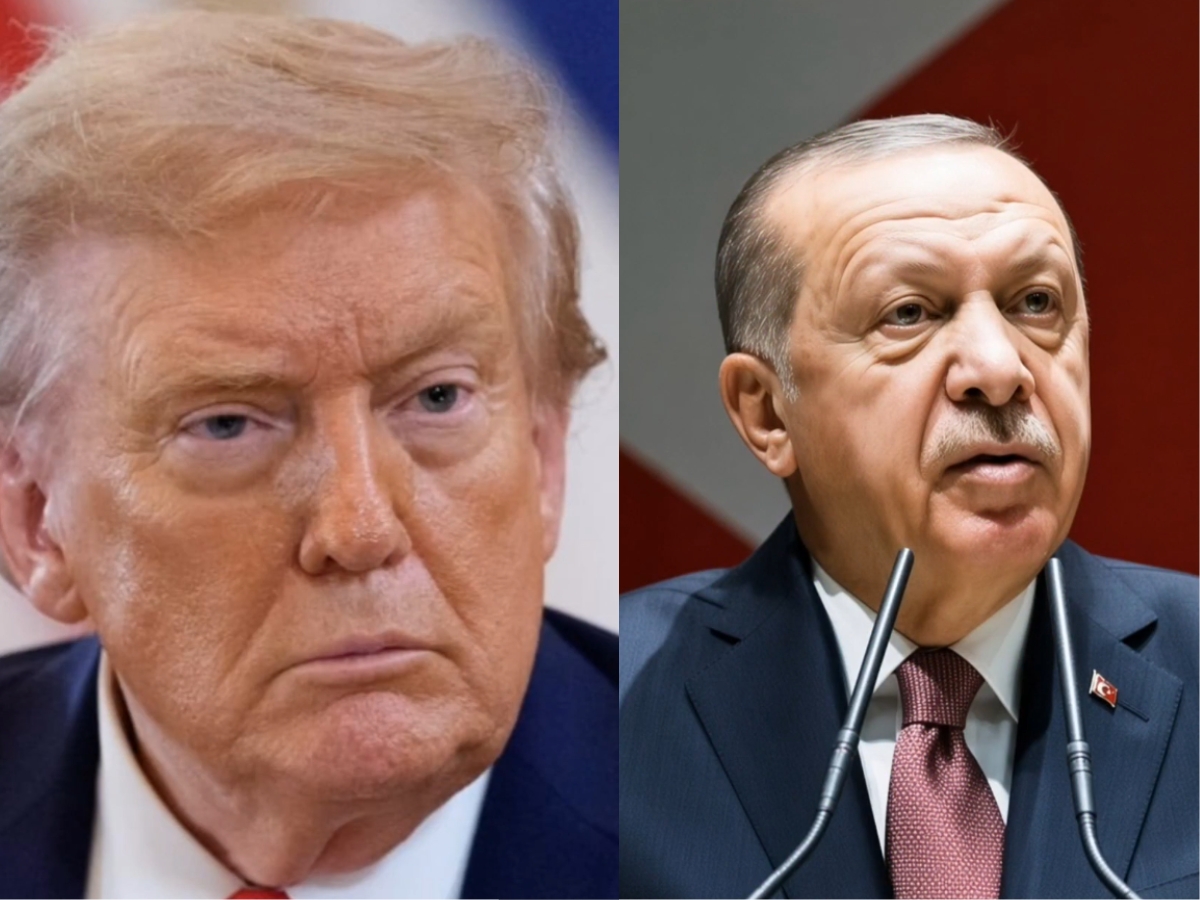
Israel vs Turkey tensions have sharply increased in recent days, with Syria emerging as the main flashpoint between the two regional powers. The latest escalation followed an Israeli airstrike on the Abu al-Duhur airbase in Syria on August 18, which Ankara strongly condemned. Israel said the operation was linked to concerns over a possible Turkish military deployment in Syria, while Turkey rejected Israel’s actions and accused it of violating Syrian sovereignty.
The situation has since moved into a diplomatic phase. On August 23, Syrian and Israeli delegations held US-mediated talks in Jordan aimed at reducing tensions. The discussions also addressed efforts to prevent the growing Israel-Turkey rivalry from spilling further into Syria.
Why Israel And Turkey Facing Tensions?
The main dispute is over the future of Syria and the military influence of both countries in the region.
Israel is increasingly concerned about Turkey expanding its military role in Syria. Israeli officials have said intelligence indicated that Ankara was preparing to significantly increase its military presence there. Israel has described such a development as a security red line, while also saying it does not want a direct war with Turkey.
Turkey, meanwhile, strongly supports Syria’s sovereignty and its new government. Ankara has repeatedly condemned Israeli military operations inside Syria and says they threaten regional stability.
Israel Strikes Syrian Airbase Amid Turkey Concerns
On August 18, Israel carried out airstrikes against the Abu al-Duhur military airbase in Idlib, northwestern Syria. The strike damaged infrastructure at the base, but there were no reported casualties. Israel said the operation was intended to prevent a potential Turkish military deployment and protect what it considers its security interests.
Turkey condemned the attack, saying Israel had targeted Syrian infrastructure and violated Syria’s territorial integrity. Ankara called for stronger international action against what it described as Israeli aggression.
The Turkish government also rejected Israeli claims regarding Turkish military plans in Syria and accused the Israeli leadership of using the issue for political purposes.
Netanyahu And Erdogan Exchange Sharp Warnings
The dispute has also become increasingly political. Israeli Prime Minister Benjamin Netanyahu has warned that Israel will not accept a Turkish military presence in Syria that it believes could threaten Israeli security.
Turkey has responded strongly to Netanyahu’s statements. Ankara’s communications authorities accused the Israeli prime minister of making threats and described Israel’s Syria policy as destabilising.
Despite the harsh rhetoric, there is currently no confirmed indication that Israel and Turkey are preparing for a direct military confrontation. The immediate focus remains on Syria and on preventing the rivalry between the two countries from escalating further.
US Pushes Israel And Syria Toward De-escalation
A significant development came on August 23, when Syrian and Israeli officials met in Jordan under US mediation.
The talks focused on practical measures to reduce Israeli military operations in Syria and revive negotiations on a security agreement. Officials also discussed ways to keep Syria from becoming a battlefield for the growing rivalry between Israel and Turkey.
The meeting came after contacts between Israel and Syria had been disrupted following the Abu al-Duhur strike. Syrian Foreign Minister Asaad al-Shaibani has nevertheless said Damascus expects security negotiations with Israel to resume soon.
Disclaimer: This article is based on information available as of August 24, 2026. The Israel-Turkey situation is developing rapidly, particularly around Syria. Statements made by governments and officials represent their respective positions and may change as new developments emerge. This article will not be considered a substitute for official government statements or independent verification of breaking developments.