
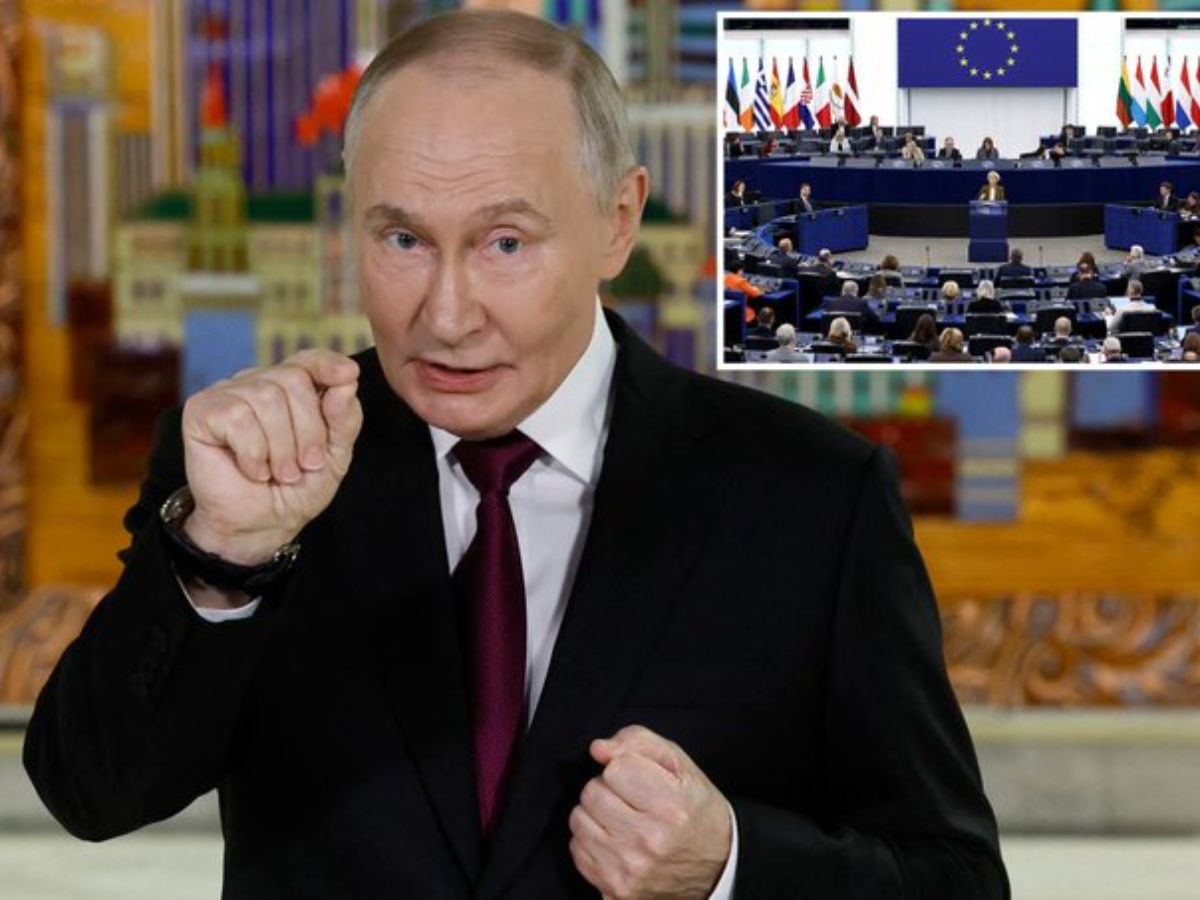
Russian President Vladimir Putin claimed on Tuesday that European nations have “no peaceful agenda” and accused them of sabotaging efforts to end the war in Ukraine. He accused Europe of undermining a US-led peace initiative by pushing demands that Russia finds “absolutely unacceptable.” He warned that if Europe “wants war,” Russia is ready to respond, but insisted Moscow still prefers diplomacy over conflict.
Europe’s Role in Peace Talks
During remarks at the VTB Investment Forum in Moscow, Putin alleged that European allies of Ukraine inserted conditions into the peace proposal that effectively block any resolution. “They don’t have a peace agenda, they’re on the side of the war,” he said.
He accused Europe of trying to sabotage the peace process before talks between Russian and US envoys could even begin. According to him, the proposed amendments aimed “solely at one thing to completely block the entire peace process.”
Putin also rejected suggestions that Russia planned to expand military action into Europe. However, he framed a warning: if Europe starts a war, “we are ready right now.”
US–Russia Talks Continue Amid Fierce Rhetoric
The accusations come just before a high‑stakes meeting in Moscow between Putin and the US delegation led by envoy Steve Witkoff and adviser Jared Kushner. The parties met to discuss a revised peace framework proposed by the United States.
Although the talks lasted over five hours and were described as “constructive,” they ended without a deal. A senior Kremlin aide said both sides agreed the peace plan requires further work — yet Russia’s rejection of Europe’s amendments remains a major roadblock.
What Does Putin Message Mean for Europe?
Analysts warn that Putin’s public remarks appear aimed at driving a wedge between the US and European allies. By blaming Europe for blocking peace, Moscow seems to be shifting responsibility for any failure of diplomacy onto Western capitals.
If Europe continues to resist Russia’s demands, the rhetoric may fuel a dangerous cycle, further entrenching opposition in Kyiv, undermining trust in negotiations, and increasing the risk of escalation.