
Iran has reaffirmed its unwavering support for Hezbollah, casting fresh uncertainty over efforts to secure a broader peace agreement in the Middle East as ceasefire negotiations between Israel and Lebanon remain deadlocked.
The latest setback comes after Hezbollah rejected a U.S.-brokered ceasefire proposal aimed at ending months of fighting along the Israel-Lebanon border. The Iran-backed group insisted that any truce must include a complete Israeli withdrawal from southern Lebanon, a condition that Israel has so far refused to accept.
Iranian officials have made it clear that developments in Lebanon are closely tied to wider negotiations involving Tehran and Washington. Tehran has argued that a lasting peace deal cannot be achieved unless the conflict involving Hezbollah is addressed and Israeli forces withdraw from Lebanese territory.
The ongoing conflict is part of a broader regional crisis that escalated after U.S. and Israeli strikes on Iranian targets earlier this year. Despite multiple ceasefire announcements and diplomatic initiatives, fighting has continued across several fronts, including Lebanon, Gaza and northern Israel.
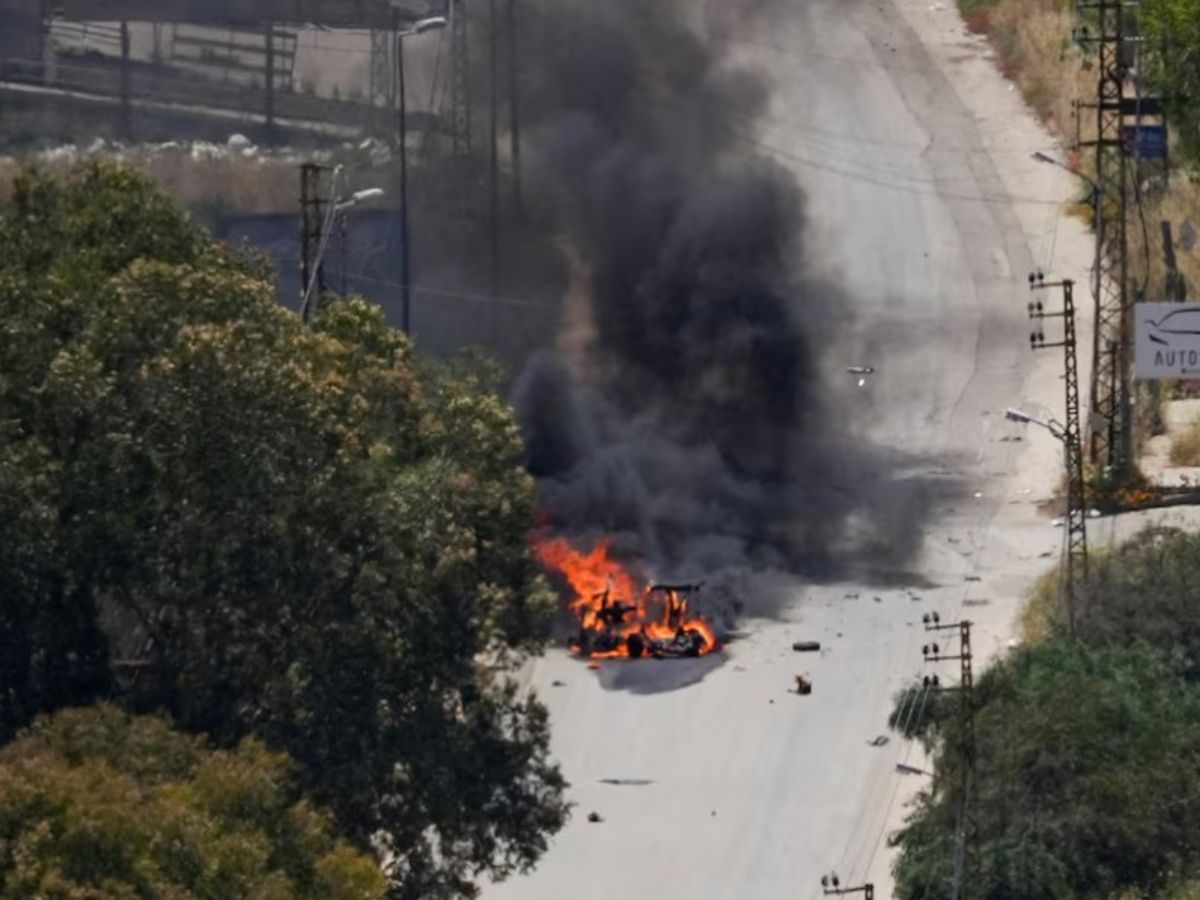
On Friday, Israeli forces carried out fresh airstrikes across southern Lebanon following evacuation warnings issued to residents in several villages. Lebanese authorities reported casualties from the attacks, while Hezbollah reiterated its opposition to the proposed ceasefire arrangement.
The proposed agreement, mediated by the United States, sought to strengthen the role of the Lebanese Armed Forces in southern Lebanon and establish security arrangements aimed at reducing cross-border hostilities. However, Hezbollah described the plan as unacceptable, arguing that it failed to guarantee Israeli withdrawal and undermined Lebanon’s sovereignty.
Iran’s stance has further complicated diplomatic efforts. Officials in Tehran have warned that continued Israeli military operations in Lebanon could derail wider negotiations with the United States. The two countries are simultaneously attempting to address several contentious issues, including sanctions relief, Iran’s nuclear programme, maritime security in the Strait of Hormuz and regional stability.
Lebanese President Joseph Aoun has criticised Iran for linking Lebanon’s future to broader geopolitical negotiations, accusing Tehran of using the country as leverage in discussions with Washington. He stressed that many Lebanese citizens are exhausted by the conflict and are seeking a return to stability after months of violence and displacement.
Analysts warn that the failure to secure a durable ceasefire in Lebanon could undermine broader efforts to end the regional conflict. The continuing violence has already displaced large numbers of civilians, disrupted economic activity and contributed to uncertainty in global energy markets.
With Hezbollah refusing to accept the current proposal and Israel maintaining its military pressure, hopes for a comprehensive peace agreement remain uncertain. Diplomats continue to pursue negotiations, but major differences over Lebanon’s future role in any settlement remain unresolved.