
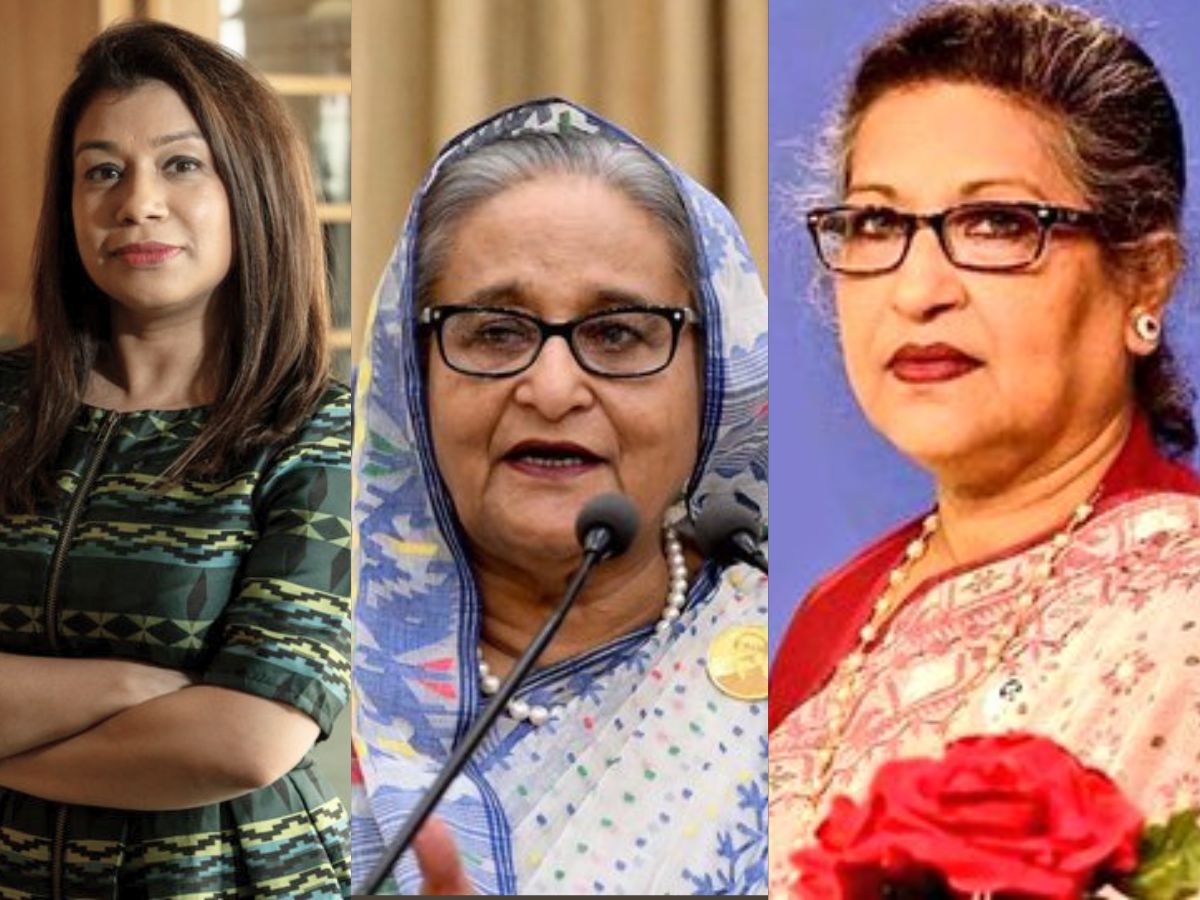
A Dhaka court on December 1, 2025, delivered a major verdict for former Bangladesh PM Sheikh Hasina. She has been sentenced to five years in prison in a corruption case linked to illegal land allocation.
Her sister, Sheikh Rehana, got seven years, and a British‑based MP and family member, Tulip Siddiq, was sentenced to two years. The ruling has shaken Bangladesh’s political landscape and stirred strong reactions at home and abroad.
What Was the Case About? The Purbachal Plot Scam Explained
The court found that Sheikh Hasina misused her former power to acquire government land illegally under the project of the national housing agency, in collusion with senior officials of the state urban‑planning body.
According to the charge sheet, Hasina and her relatives secured plots in a way that violated the rules — bypassing eligibility norms, concealing prior property holdings, and manipulating official procedures.
The court convicted a total of 17 people in the case — including former state ministers, urban‑planning officials, and several bureaucrats — each receiving five years behind bars.
Sentences at a Glance: Who Got What
- Sheikh Hasina: 5 years in prison + fine.
- Sheikh Rehana: 7 years in prison.
- Tulip Siddiq (British MP): 2 years in prison, sentenced in absentia.
- The other 14 accused: Each was handed a 5-year prison term for their role in the scam.
All convicts were also fined and told that the land allotment would be revoked.
Reactions: Denial, Accusations of Political Vendetta
Tulip Siddiq has strongly rejected the verdict. She called the trial “a farce” and argued it was driven by political motives.
The ruling also casts a shadow over international relations: Siddiq holds a seat in the British Parliament. Critics question whether Bangladesh can or should enforce the sentence outside its borders, especially given the absence of an extradition treaty.
Supporters of Hasina and her party argue the case aims to dismantle her political influence ahead of upcoming elections and accuse the interim government of using the judicial system to crush opposition voices.
What This Means for Bangladesh Political Future?
The verdict deals a heavy blow to Hasina’s political comeback prospects. As a convicted felon, she faces severe restrictions on holding public office. It sends a warning to politicians about misuse of power and land — a long‑standing issue in Bangladesh’s governance.
The case could unsettle the public trust in government institutions, but also push demand for greater transparency and stricter anti‑corruption enforcement. Internationally, the conviction of a British MP raises diplomatic questions — it may affect Bangladesh’s ties with the UK and stir debates in the global media.
Why the Verdict Could Trigger a Bigger Push for Land Reform & Transparency
This case isn’t just about individual punishment — it may spark deeper reforms in how Bangladesh allocates land and monitors public housing projects. Many analysts believe this could lead to:
- Stricter audit mechanisms for state‑run housing allocations.
- Mandatory disclosure of previous property ownership whenever public land is applied for.
- Tighter cooperation between urban‑planning bodies and anti-corruption agencies.
- Accountability measures to prevent future misuse of state resources.
If implemented, these changes could reshape Bangladesh’s real estate landscape — and mark a rare moment when a high‑profile corruption verdict leads to meaningful structural reform.