
Bangladesh’s interim administration has raised concerns over the establishment of Awami League offices in Indian cities, stating that such moves could jeopardize bilateral relations with New Delhi. Since Nobel laureate Muhammad Yunus’s caretaker administration seized power in 2024, tensions between the two nations have persisted, and the claim comes amid such tensions.
According to Bangladesh’s foreign ministry, the offices, reportedly set up in New Delhi and Kolkata, are linked to “growing anti-Bangladesh activities” by the Awami League leadership, which remains in self-exile in India following criminal charges filed against them in Dhaka.
“This development risks undermining the good-neighbourly relations with India, driven by mutual trust and respect, and has serious implications for the political transformation underway in Bangladesh,” the ministry said in a statement.
India Denies Knowledge of Anti-Bangladesh Activities
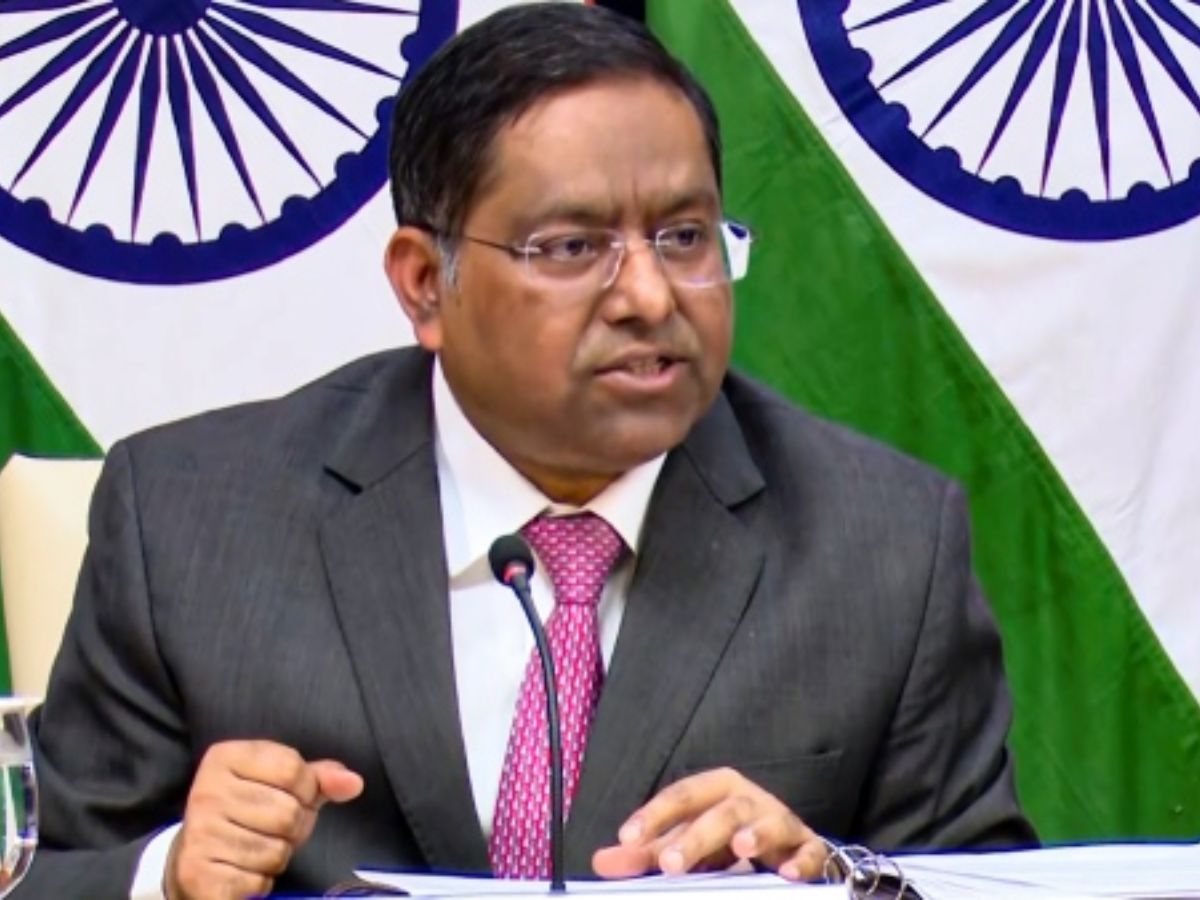
Responding to the allegations, Indian External Affairs Ministry spokesperson Randhir Jaiswal said that the government “is not aware of any anti-Bangladesh activities by purported members of the Awami League in India” and emphasized that Indian law does not allow political activity against other countries on its soil.
“The press statement by the interim government of Bangladesh is thus misplaced,” Jaiswal added, reiterating India’s expectation for free, fair, and inclusive elections to be held in Bangladesh.
Political and Legal Context
The accusations arrive against a backdrop of strained bilateral relations between the two countries.
India has historically used land borders to impose trade restrictions on Bangladeshi exports, claiming Dhaka’s non-tariff trade barriers. The interim government in Bangladesh has also been criticized internationally for its handling of attacks on Hindus and other minorities.
The foreign ministry further alleged that senior Awami League leaders, “absconding in several criminal cases in Bangladesh on account of grievous crimes,” were in India. It claimed that some leaders had planned a public outreach event at the Press Club of India in New Delhi on July 21, which it described as an “affront against the people and State of Bangladesh.”
Bangladesh’s interim administration has filed multiple criminal cases against former Prime Minister Sheikh Hasina and other Awami League leaders, drawing scrutiny from human rights groups over the charges, which include crimes against humanity, enforced disappearances, and a crackdown on protestors. In July, Hasina was sentenced to six months in prison for contempt of court by the country’s International Crimes Tribunal (ICT).
Also Read: Israel Begins Preliminary Actions for Ground Offensive in Gaza City Amid Rising Tensions
Implications for Bilateral Relations
Bangladesh has called for immediate preventive measures to stop any anti-Bangladesh activity on Indian soil. Authorities cautioned that ongoing attempts to improve relations between the two neighboring nations may be hampered by the self-exiled Awami League leaders’ continued operations.
The statement underscores the delicate nature of India-Bangladesh relations, where diplomacy, trade, and cross-border cooperation are increasingly intertwined with political developments and legal disputes.