
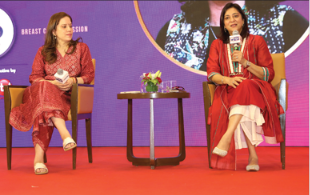
Cancer care must extend beyond medical treatment to include emotional assistance for families, support for caregivers and dignified end-oflife care, Priya Dutt, chairperson of the Nargis Dutt Foundation, said at Mumbai Podium 2026. During a discussion on cancer awareness and access to treatment, Dutt highlighted the oftenoverlooked burden carried by family members caring for patients.
She said women, in particular, frequently take on caregiving responsibilities, sometimes leaving their jobs or putting their own needs aside to support a relative through illness. “Caregiving” can involve accompanying patients to hospitals, managing treatment schedules, providing daily assistance and helping them cope with the emotional strain of a diagnosis. These responsibilities can become especially difficult for families with limited financial resources.
Dutt said the foundation works with some of the most economically disadvantaged patients and their families. While some households can afford professional assistance, others depend almost entirely on relatives, who may have little access to counselling or respite. She shared the story of a teenage girl who cared for her mother during breast cancer treatment. The girl reportedly managed household chores, cooked, accompanied her mother to Tata Memorial Hospital for chemotherapy and continued attending school while maintaining good grades. Dutt described the young girl’s commitment as an example of the strength often displayed by families facing serious illness.
The discussion also addressed patients whose conditions no longer respond to available treatments. Dutt said families may struggle to accept that further curative treatment is not possible, making compassionate communication and emotional support essential. She highlighted the importance of palliative care, which focuses on relieving pain and other symptoms while supporting patients and their families. Such care can be particularly important when patients return home after doctors determine that further treatment options are limited.
Dutt observed that fundraising for palliative services can be challenging because donors may be more inclined to contribute to treatments that promise recovery. However, she argued that patients approaching the end of life still deserve comfort, support and dignity. The session also examined how financial pressures affect families seeking cancer treatment. Medical expenses, travel and accommodation can disrupt household incomes and children’s education, adding to the strain on caregivers. The Nargis Dutt Foundation, established in 1981, supports cancer-care initiatives and conducts medical camps aimed at improving access to screening and treatment. Dutt said its work
The Nargis Dutt Foundation has spent nearly four and a half decades supporting cancer care in India, with its chairperson, Priya Dutt, emphasising that early detection and greater public awareness remain essential to reducing the burden of the disease. Speaking at Mumbai Podium 2026 during a discussion on breast cancer awareness and the Namo Shakti Mission, Dutt traced the foundation’s origins to the death of her mother, actor Nargis Dutt, from pancreatic cancer. The organisation was established in 1981, following the family’s experience of seeking treatment abroad at a time when specialised cancer facilities were limited in India.