
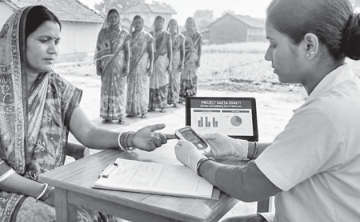
Behind persistent fatigue, breathlessness and weakness lies a public health crisis shaped by iron deficiency, menstrual health, pregnancy, unequal access to nutritious food and the social and economic conditions that determine whether women can seek care. At first glance, anaemia can appear deceptively ordinary. A woman struggles to wake up in the morning, feels exhausted after completing household chores, becomes breathless while climbing a flight of stairs or finds it difficult to concentrate at work. She may attribute these symptoms to a demanding routine, inadequate sleep or the pressures of managing a household. Her family may tell her to eat better, take more rest or learn to live with the fatigue.
In many Indian homes, the possibility that these everyday complaints point to a serious health condition does not immediately enter the conversation. Yet behind this familiar tiredness lies a condition that can affect a woman’s physical strength, mental well-being, pregnancy outcomes and ability to participate fully in education, employment and public life. Anaemia is not simply a matter of looking pale or feeling weak. It occurs when the concentration of haemoglobin in the blood falls below normal, reducing the blood’s capacity to carry oxygen to the body’s tissues.
Although iron deficiency is a leading cause, anaemia can also result from deficiencies of other nutrients, blood loss, infections, inherited blood disorders and other medical conditions. In India, the scale of the problem makes it impossible to dismiss as an individual nutritional shortcoming. The National Family Health Survey-5, conducted in 2019–21, found that 57 per cent of women aged 15–49 were anaemic, compared with 53.1 per cent in the previous survey conducted in 2015–16. Among pregnant women aged 15–49, the proportion stood at 52.2 per cent.
These figures reveal a troubling reality: despite years of public health interventions, anaemia remains deeply embedded in the lives of Indian women. The numbers are not merely a record of abnormal blood reports. They represent millions of women attempting to study, earn a livelihood, care for children and manage homes while living with a condition that can undermine their health. Understanding why anaemia persists requires looking beyond iron tablets and dietary advice to examine the unequal circumstances in which women eat, work, menstruate, become pregnant and access healthcare.
The Biology of a Preventable Crisis
Haemoglobin, a protein in red blood cells, carries oxygen from the lungs to the rest of the body. When haemoglobin levels fall, the body’s tissues receive less oxygen than they need to function efficiently. The result can be persistent fatigue, weakness, headaches, dizziness, difficulty concentrating and breathlessness during physical activity. In more serious cases, anaemia can place considerable strain on the heart and become life-threatening, particularly during pregnancy or when accompanied by significant blood loss.
One reason anaemia often goes unnoticed is that its symptoms can develop gradually. A woman may continue attending school, working in a factory, undertaking agricultural labour or caring for her family even as her stamina declines. Because she remains able to perform her daily responsibilities, her condition may be mistaken for ordinary exhaustion. The gradual nature of the illness makes it easier for families and communities to underestimate its seriousness.
Iron Deficiency and the everyday struggle for nutrition
Iron deficiency is one of the leading nutritional causes of anaemia. Iron is essential for producing haemoglobin, and the body must obtain adequate amounts through food and maintain sufficient reserves to replace what is lost. When intake is inadequate, absorption is poor or the body’s requirements increase, iron stores can become depleted. For many Indian women, the problem begins with the everyday composition of their diets.
Meals may consist largely of cereals and other staple foods, with limited quantities of pulses, green leafy vegetables, nuts, seeds, eggs, fish or meat. These patterns are not uniform across the country, and vegetarian diets can provide adequate iron when properly planned. Nevertheless, a diet dominated by a narrow range of inexpensive foods can make it difficult to meet nutritional needs, particularly when a woman is menstruating, pregnant or breastfeeding.
The problem is not always the absence of food. It can also be the absence of dietary diversity and the unequal distribution of nutritious food within a household. In families managing limited incomes, milk, fruit, eggs, pulses and other nutrient-rich foods may be purchased in quantities that do not meet everyone’s needs. Women who prepare meals for the family may eat last, consume smaller portions or sacrifice preferred foods so that children and other household members can eat adequately. Such practices are difficult to capture in a haemoglobin report, yet they influence women’s nutritional health.
A meal may provide enough calories to suppress hunger without supplying adequate iron, folate, vitamin B12 and other nutrients necessary for healthy blood formation. Nutritional deficiencies can therefore coexist with a woman who does not appear visibly undernourished.
Menstruation: When normal Blood loss Becomes a Warning sign
Menstruation creates a recurring demand on the body’s iron reserves. During every menstrual cycle, blood loss removes iron from the body, making adequate dietary intake particularly important for adolescent girls and women of reproductive age. When menstrual bleeding is consistently heavy, the loss can exceed the body’s ability to replace iron through food and normal absorption.
Heavy menstrual bleeding is often normalised in conversations about women’s health. A girl who experiences prolonged periods, severe weakness or repeated dizziness may be told that such difficulties are simply part of growing up. An adult woman may organise her work around frequent changes of sanitary products, avoid travelling during her period or endure days of exhaustion without seeking medical attention. In some families, discussing menstruation openly remains uncomfortable, making it harder to recognise when bleeding requires medical evaluation.
Yet heavy menstrual bleeding should not automatically be accepted as an unavoidable feature of womanhood. Persistent excessive bleeding can contribute to iron deficiency and anaemia, and it may sometimes signal an underlying gynaecological condition that requires treatment. Replacing lost iron without investigating continued blood loss may leave the underlying problem unresolved.

Pregnancy: Two lives affected by one Condition
Pregnancy increases the body’s demand for iron because maternal blood volume expands and iron is needed for the developing baby and placenta. If a woman enters pregnancy with depleted iron stores, or cannot meet her increased nutritional requirements, anaemia can develop or worsen. Blood loss during childbirth and the period after delivery can further aggravate the condition. The consequences can extend beyond the mother. Iron-deficiency anaemia flects the economic and social conditions that shape women’s lives.
Food prices, household income, employment insecurity, educational opportunities and access to healthcare influence whether women can prevent, recognise and treat the condition. during pregnancy is associated with increased risks of adverse outcomes, including premature birth and low birth weight. Severe anaemia can also leave a woman less able to cope with the physiological demands of pregnancy and delivery. These risks make early identification and appropriate management an important part of maternal healthcare. The high prevalence of anaemia among pregnant women illustrates the scale of the challenge.
It also exposes a weakness in approaches that begin addressing women’s nutrition only after pregnancy is confirmed. A woman does not enter pregnancy with a clean nutritional slate. Her health reflects years of dietary patterns, menstrual blood loss, infections, previous pregnancies and access to treatment. For a young woman who has experienced anaemia since adolescence, pregnancy may intensify a problem that was never adequately diagnosed or corrected. If pregnancies occur close together, there may be limited time for the body to restore iron reserves, particularly when nutritional support and postpartum care are inadequate.
The issue is therefore not simply whether a pregnant woman receives supplements, but whether she has access to comprehensive care before conception, during pregnancy and after delivery. India’s public health programmes include iron and folic acid supplementation for pregnant women, alongside screening, treatment and follow-up. Antenatal appointments offer opportunities to identify low haemoglobin levels, assess severity and determine the appropriate treatment. Women with severe anaemia or those who do not respond adequately to prescribed oral treatment may require escalation of care under clinical supervision. However, access to antenatal care is not experienced equally.
Distance from health facilities, transport costs, lost wages, household responsibilities and dependence on family members can prevent women from attending appointments consistently. Some may receive supplements but struggle to take them regularly because of side effects or misunderstandings about their purpose. Others may not receive timely follow-up when their condition fails to improve.
Poverty, gender and the Price of Being healthy
Anaemia is often discussed as a nutritional problem, but its persistence also reFor women in low-income households, nutritious food competes with other essential expenses, including rent, transport, school fees and medicines. Even when women understand what constitutes a balanced diet, financial constraints may prevent them from following that advice consistently. For those working in informal employment, taking time off to attend a health facility can mean losing a day’s wages.
A consultation that appears affordable in isolation may become expensive when travel, missed work and childcare are taken into account. The burden is particularly difficult for women whose labour is undervalued or unpaid. Domestic work, caregiving and agricultural labour often continue regardless of how a woman feels. A woman experiencing fatigue may be unable to reduce her workload because there is no one available to take over her responsibilities.
Her symptoms may consequently be interpreted as laziness or a lack of stamina rather than a warning that she needs medical attention. Gender inequality can also influence the distribution of food and the timing of treatment. Where women have limited control over household spending, they may be unable to purchase nutritious foods or pay for medical consultations without permission. Social expectations that mothers should prioritise their children and other family members can further encourage women to postpone their own healthcare.
These circumstances create a cycle that is difficult to break. Poor nutrition and untreated anaemia can reduce physical capacity, while reduced capacity can make it harder to sustain demanding work. Lost income or lower productivity may then further limit access to nutritious food and medical care. This does not mean that anaemia inevitably makes a woman economically insecure, but it demonstrates how ill health and economic disadvantage can reinforce each other.
The solution cannot rest entirely on individual behaviour. Nutrition programmes must be supported by affordable food, accessible primary healthcare, social protection and greater recognition of women’s labour. Improving women’s health requires creating conditions in which looking after themselves is possible, rather than treating it as another responsibility they must somehow fit into an already demanding day.
The adolescent years: Where Prevention Must Begin
One of the most important opportunities to address anaemia lies before adulthood. The National Family Health Survey-5 found that 59.1 per cent of adolescent girls aged 15–19 were anaemic, indicating that the problem affects a substantial proportion of girls even before pregnancy becomes a consideration. Adolescence is a period of rapid physical development, during which nutritional requirements change.
For girls, the onset of menstruation adds a continuing demand for iron. When inadequate dietary intake, menstrual blood loss and limited access to healthcare coincide, iron stores may become depleted at a time when education, physical development and the transition to adulthood are especially important. The consequences are not limited to physical discomfort. Persistent fatigue may make it harder to participate in sports, concentrate in class or maintain the energy needed for a full school day. For girls who combine education with domestic chores, the burden can be greater.
Because tiredness is common among adolescents for many reasons, anaemia may remain unrecognised unless symptoms prompt appropriate testing. India’s anaemia prevention strategy includes weekly iron and folic acid supplementation for schoolgoing adolescents and outof-school girls, alongside nutrition education and other interventions. These measures are intended to reach girls through schools and community-based services rather than leaving prevention entirely to individual families. Yet a programme can only achieve its purpose if the girls it is designed to reach can access it.
School-based interventions need complementary arrangements for girls who have dropped out, are absent frequently or have never enrolled. Families must receive clear information about the purpose of supplementation, while schools and health workers need systems to monitor delivery and support girls who require further evaluation.
Why iron Tablets alone Cannot solve the Problem
India’s response to anaemia has included national programmes, iron and folic acid supplementation, screening, nutrition education and treatment. The Anaemia Mukt Bharat strategy, launched in 2018, follows a life-cycle approach and seeks to address anaemia across six population groups, from young children to women of reproductive age. It also includes efforts to identify non-nutritional causes and strengthen monitoring.
These interventions are important, but the persistence of anaemia highlights the difference between having a programme and ensuring that it works effectively for every woman. Supplements can help prevent or treat iron deficiency when used appropriately, but they are not a universal treatment for every form of anaemia. Folate or vitamin B12 deficiency, chronic illness, infections, inherited haemoglobin disorders and ongoing blood loss may require different investigations and management.
Giving iron without establishing the cause can delay appropriate treatment in some cases. Women also need clear guidance on how to take prescribed supplements, what side effects to expect and when to return for follow up. Gastrointestinal discomfort and other side effects can discourage continued use. If these difficulties are not discussed with a healthcare professional, a woman may stop treatment without understanding why it was prescribed or what alternatives may be appropriate. Screening must likewise be linked to diagnosis and care.
A haemoglobin test can identify anaemia, but it does not by itself establish its cause. Where indicated, clinicians may recommend additional blood tests or investigations to distinguish iron deficiency from other conditions. Women whose haemoglobin levels remain low despite treatment need reassessment rather than repeated advice to improve their diet. There is also a broader public health lesson in the national figures.
The prevalence of anaemia among women aged 15–49 increased from 53.1 per cent in 2015–16 to 57 per cent in 2019–21. Some states and Union territories reported improvements, while others continued to face substantial burdens.This variation matters because India’s anaemia challenge is not identical everywhere. Local dietary practices, disease burdens, food availability, healthcare access and programme implementation can differ considerably.
Public health authorities must use local data to identify where interventions are falling short, which groups are being missed and whether women who test positive are completing treatment and receiving appropriate follow-up. Ultimately, the success of an anaemia programme should be judged not merely by the number of supplements distributed, but by whether women are being diagnosed accurately, treated effectively and supported long enough to recover.

From awareness to accountability
The persistence of anaemia demands action at several levels simultaneously. Healthcare facilities must make testing, diagnosis and follow-up accessible, while frontline health workers need the training and resources to identify women at risk. Schools can support adolescent nutrition programmes, and community outreach can help reach girls and women who are outside formal education or employment. Nutrition policy must also confront the affordability of healthy diets.
Public distribution and nutrition support programmes can contribute to food security, but their impact depends on whether households have access to a diverse range of foods and whether women receive a fair share of what is available. Nutrition education becomes more meaningful when families have the resources to put it into practice. Families, too, have a role. Recognising women’s fatigue as a possible health concern, sharing domestic responsibilities and supporting timely medical consultations can make a practical difference. Discussions about menstruation should move beyond secrecy, while pregnancy-related care must be accompanied by attention to women’s health before conception and after childbirth.
Beyond the numbers, a Question of Dignity
Anaemia is measurable through a blood test, but its full consequences cannot be understood through haemoglobin figures alone. Its effects unfold in classrooms where girls struggle to concentrate, workplaces where women push through exhaustion, households where mothers place their own needs last and maternity wards where an already depleted body must cope with the demands of childbirth. The national figures offer a stark warning.
When more than half of women aged 15–49 are recorded as anaemic, the problem cannot be explained away as a series of isolated cases or individual failures to eat properly. It calls for a sustained response that combines sound medical care with better nutrition, social support and a serious examination of the conditions in which women live. Iron supplementation, dietary improvement and screening remain essential tools. But they must operate alongside efforts to address heavy menstrual bleeding, improve maternal care, identify non-nutritional causes and remove the financial and social barriers that prevent women from seeking help.
Progress also requires reliable monitoring so that improvements in programme delivery translate into better health outcomes. Most importantly, women must be able to recognise that their exhaustion deserves attention. A lifetime of fatigue should not be accepted as normal simply because millions of others experience it. Nor should the ability to endure discomfort be mistaken for evidence of good health.