
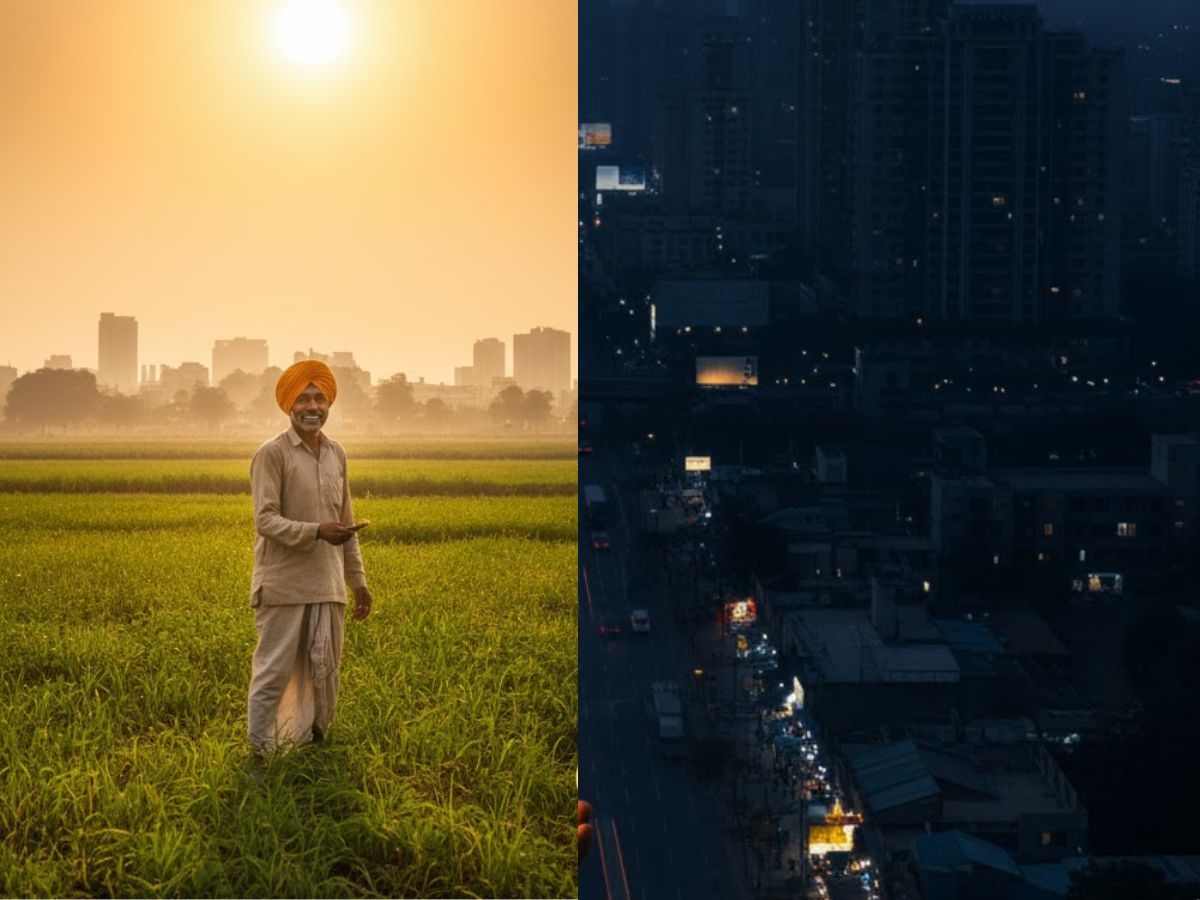
A groundbreaking study has revealed a concerning trend: India is steadily losing its sunshine. In the last 30 years, the hours of sunlight in the country have steadily decreased, affecting climate, health, and energy.
What Did the Study Find?
Data from 1988 to 2018 was examined by a team from Banaras Hindu University, the India Meteorological Department (IMD), and the Indian Institute of Tropical Meteorology (IITM) in Pune. The research, published in the journal Nature, examined information from 20 meteorological stations across nine regions. It found a “persistent decline” in annual sunshine hours across the Indian subcontinent. The only exception was the north-eastern region, which showed a slight levelling off in some seasons.
What is Causing the Sunshine to Disappear?
Scientists say two main factors are behind “solar dimming”: aerosols and clouds. Aerosols are tiny air particles, usually from pollution. Pollution often causes aerosols, which are tiny particles in the air. Tiny airborne particles called aerosols, mostly from pollution, increased sharply during India’s 1990s economic boom. Rapid urbanisation, industrial growth, and higher fossil fuel use led to more emissions from vehicles, factories, and biomass burning.
How Do Aerosols Create More Clouds?
This is where the science gets fascinating. In addition to directly blocking sunlight, aerosols also significantly alter how clouds form. When the atmosphere is balanced, aerosols and humidity mix to form larger cloud droplets, which eventually fall as rain. On the other hand, an oversupply of aerosols with the same humidity causes more weaker, smaller cloud droplets. This increases the lifespan of the cloud, resulting in more continuous and extensive cloud cover, which further covers the sun and shortens the hours of sunshine.
Why Did Other Countries Reverse This Trend?
The study provides a crucial comparison. China and Japan also experienced industrial growth and aerosol pollution. Both China and Japan saw rapid industrialisation and air pollution from aerosols. Strong policies, including China’s Clean Air Action Plan and Japan’s clean technology mandates, successfully lowered aerosols, resulting in more sunlight. According to the study, the dimming trend has persisted because India has been slow to enact such broad pollution curbs.
Also read: Who is Sherry Singh? A Mom & Former Athlete, Who Won Mrs. Universe 2025 | Bio, Husband, Kids & More
What Does This Mean for India’s Future?
Less sunshine doesn’t just mean dull weather; it reflects major atmospheric shifts. In addition to altering farming cycles and upsetting climatic systems, this “solar dimming” lowers the potential for solar electricity. The study is a scientific reminder of the harm caused by constant aerosol pollution.