
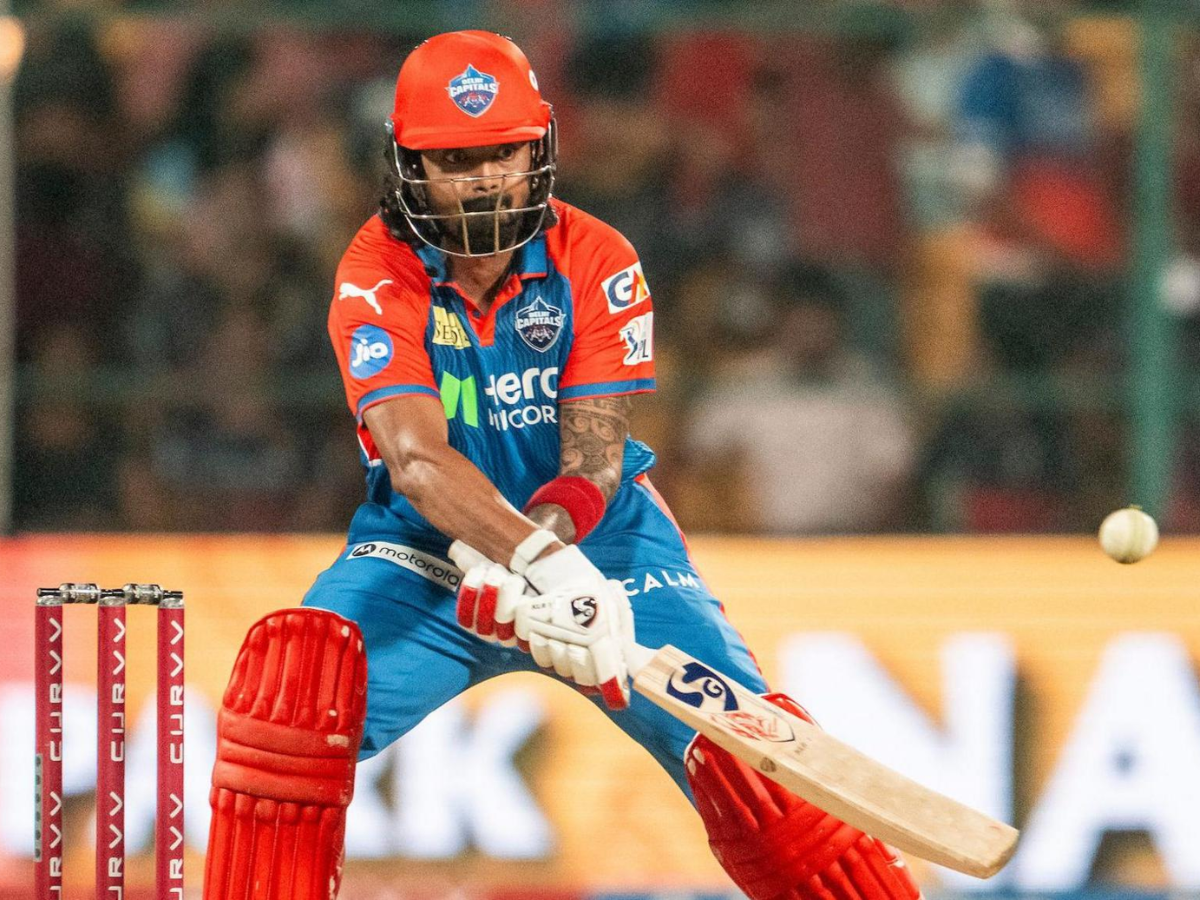
KL Rahul has finally opened up about a question hanging over his IPL career for years now: why doesn’t a player of his caliber opt to don the captaincy cap despite being among the most experienced cricketers in the league.
The veteran India batter spoke candidly during a conversation with Jatin Sapru for Humans of Bombay as he revealed the extreme mental, tactical, and political pressure that IPL captains are forced to endure far more, he says, than what he has ever felt in international cricket.
Rahul’s comments have again brought into focus issues of expectations regarding leadership in franchise cricket, following his eventful stay with LSG that included a very public on-field spat with franchise owner Sanjiv Goenka back in 2024.
Why Does KL Rahul Believe IPL Captaincy Is More Stressful Than International Cricket?
The biggest challenge to IPL captaincy, Rahul explained, is not the game but the ecosystem surrounding it. He revealed that the franchise environment demands constant accountability sometimes to people who lack an understanding of cricketing nuance.
Rahul mentioned that in international cricket, players are answerable to the coaches and selectors who have played the sport at the highest level. But in the IPL, more often than not, decisions need to be justified to team owners and members of the management committee who view cricket through an emotional or business-oriented lens.
Rahul said he felt, by the end of any IPL season, “more mentally and physically drained than after playing 10 months of international cricket.”
What Makes the Leadership Expectations So Difficult in the IPL?
As Rahul says, the meetings, review sessions, and decision-explanations expected of captains are taking a toll. Every tactical decision, from batting order to bowler rotation, is a subject of interrogation.
He imitated the unyielding questioning captains face:
- “Why did you make this change?”
- “Why did he play in the XI?”
- “How did the opposition score 200 when we couldn’t get 120?”
- “Why are their bowlers getting more spin than ours?”
This cycle, Rahul said, makes captains feel like they’re being cross-examined after every game. And this level of scrutiny isn’t present in the Indian dressing room, where cricket minds respect and understand the sport’s unpredictability.
What Did Rahul Say About People From ‘Non-Sporting Backgrounds’?
The toughest part of IPL captaincy, he said, is having to tell non-cricketing decision-makers that “nothing in sport guarantees victory.”
Rahul added that even when a team prepares perfectly, the result can swing dramatically-a fact that is hard to convey to those who see losses as failures rather than part of sport’s inherent uncertainty.
Why Has KL Rahul Opted Not to Captain in the IPL Any Further?
After leading LSG for three seasons mixed with strong performances, controversies, and mounting pressure, Rahul decided to step away from captaincy responsibilities.
When Delhi Capitals bought him for ₹14 crore in the 2025 mega auction, he did not pursue leadership and played under Axar Patel.
The decision paid off. Rahul had a brilliant season, regained his rhythm and clarity, and was retained by Delhi Capitals for IPL 2026. The message is clear from Rahul: he wants to focus on batting, fitness, and longevity without the extra burden of IPL captaincy politics.