
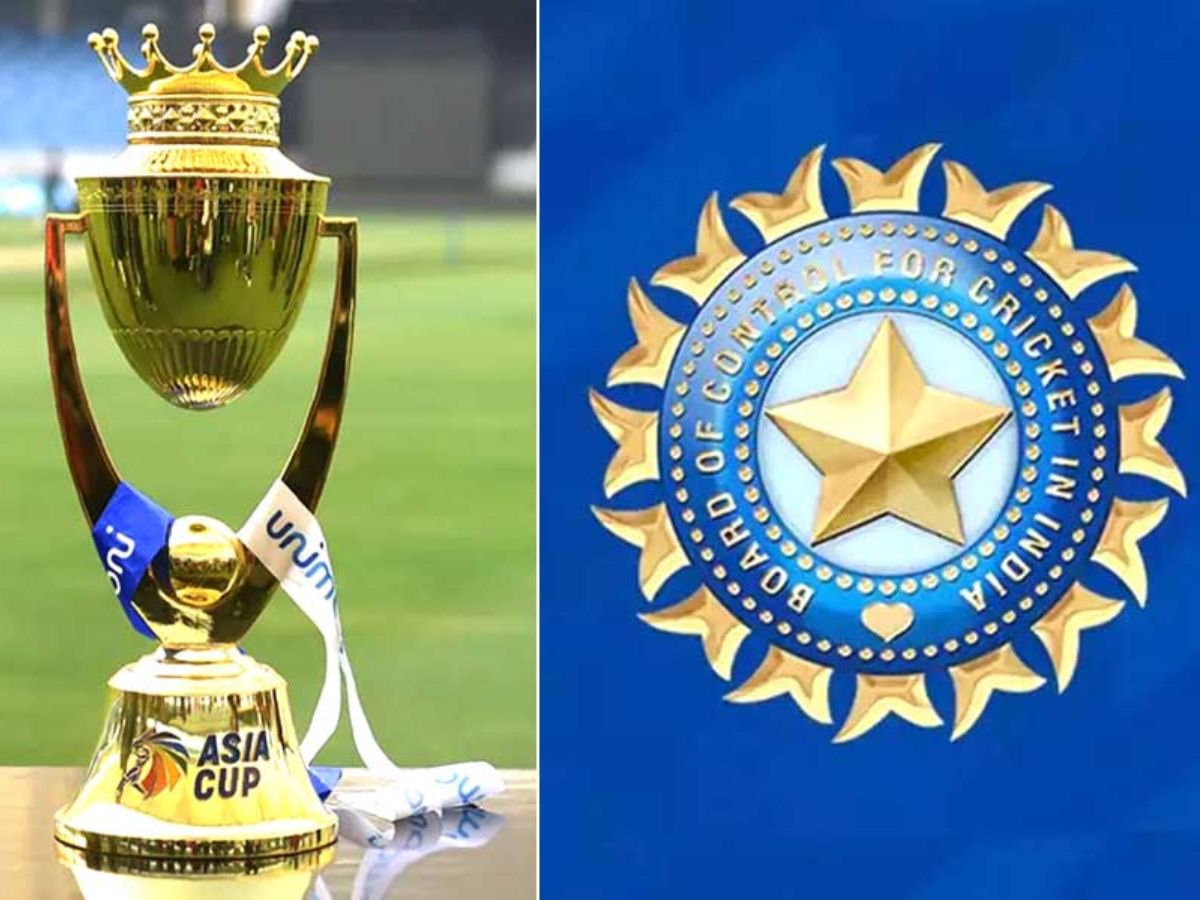
The Asian Cricket Council’s announcement of the Asia Cup 2025 has sparked a storm of political outrage in India. The tournament, scheduled from September 9 to 28 in the UAE, features 8 nations, including India & Pakistan. But it is the “blockbuster fixture” between the two neighbours on September 14 that has triggered fierce criticism. The backlash comes in the wake of the recent Pahalgam terror attack that left 26 Indians dead, reportedly at the hands of Pakistan-backed militants.
Shiv Sena (UBT) MP Priyanka Chaturvedi has slammed the BCCI, calling the move to resume cricketing ties with Pakistan an attempt to earn “cursed money.” Meanwhile, the government claims it cannot interfere, citing sports governance limitations and global sporting charters. This clash between public sentiment, sports diplomacy, and commercial interests has once again placed Indian cricket in the eye of a political storm.
‘Not Just Blood Money, It’s Cursed Money’
Priyanka Chaturvedi, a Rajya Sabha MP, didn’t hold back. She attacked the central government and the BCCI in response to the planned India-Pakistan match.
Her strongest criticism was aimed at the cricket board. Calling it not just blood money, but “cursed money,” Chaturvedi accused the BCCI of putting profits above patriotism. Her statement quickly gained traction online, fueling an already simmering public debate.
Public Outrage Follows Pahalgam Attack
The timing of the Asia Cup fixture couldn’t be more sensitive. Only a few weeks earlier, 26 people had been killed in Pahalgam by militants allegedly supported by Pakistan. The crime sparked intense anti-Pakistan sentiment and stunned the country.
Proposals to abstain from any athletic interactions with Pakistan gained traction. Earlier, Indian legends, including Yuvraj Singh, refused to play against Pakistan in the World Championship of Legends. Fans largely supported the stance, praising it as a principled move.
BCCI’s Hands Tied? Government Passes the Ball
Despite the outrage, the sports ministry has clarified that it cannot prevent the BCCI from participating. A source told PTI that the cricket board does not come under the ministry’s jurisdiction, as the National Sports Governance Bill is yet to pass.
Furthermore, the Olympic Charter, which forbids political discrimination, must be followed by any global competition. Following international rules has become a diplomatic concern as India considers a candidacy for the 2036 Olympics.
ALSO READ: All-Rounder Saim Ayub Lifts Pakistan Over West Indies in Series Opener
Cricket, Commerce, & India’s Global Sporting Ambitions
A challenging question at the centre of the discussion is whether India should forgo its international sports diplomacy in favour of nationalistic emotion. The Asia Cup match demonstrates India’s commitment to multilateral sport in addition to being a financially successful event.
It is made more pressing by the 2036 Olympic bid. India’s reputation as an impartial, responsible host could be harmed by any hostile attitude toward Pakistan during important athletic events. BCCI is handling a more important geopolitical balancing act in addition to collecting revenue.
ALSO READ: Katie Ledecky Makes History With 7th Straight 800m Freestyle World Title
Asia Cup May Proceed, But Tensions Will Linger
The September 14 India-Pakistan match is expected to proceed despite opposition. It has been dubbed the tournament’s high point by the Asian Cricket Council. If both sides make it to the Super Four and final, there may be two more face-offs after.
However, the dispute is far from resolved. The tournament will be watched closely, and not just for the cricket action, as the public’s emotions and political opinions become more vocal.