
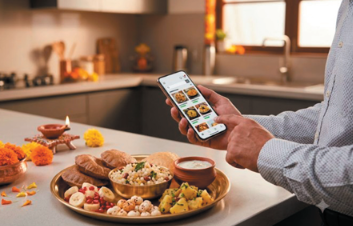
Traditional fasting food finds a place in urban convenience culture as restaurants, delivery platforms and changing work routines reshape the nine-day culinary experience
As Navratri begins, kitchens across India return to familiar festive preparations, from sabudana khichdi and kuttu ki puri to samak rice, makhana and fruit-based meals. Yet, alongside the traditional scene of families preparing vrat food at home, another routine has become increasingly visible in urban households: opening a food delivery app and ordering a fasting meal. For many devotees, observing Navratri still involves preparing food at home, selecting ingredients according to family customs and following dietary restrictions during the nine-day festival.
However, busy work schedules, long commutes and the growing availability of specialised restaurant menus are creating additional ways to manage the daily demands of fasting. The traditional vrat thali is no longer limited to the home kitchen, with restaurants offering complete meals designed specifically for customers observing the festival. This shift reflects a broader change in the relationship between food, convenience and religious practice. While the significance of fasting remains rooted in personal faith and tradition, the process of arranging meals is adapting to urban lifestyles in which time for shopping, preparation and cooking can be limited.
A growing Appetite for vrat meals
Food delivery data offers a glimpse into the changing scale of demand. According to figures released by Swiggy for the 2025 festive season, the platform recorded more than one lakh orders for vrat thalis, over 99,000 orders for sabudana khichdi and nearly 70,000 orders for sabudana vada during Navratri. Delhi, Gurugram and Lucknow were among the cities showing a preference for vrat thalis, while Mumbai and Bengaluru recorded strong demand for sabudana khichdi. The platform also reported that approximately 2.2 lakh orders were placed between 8 pm and 9 pm on Ashtami, when many devotees were preparing to break their fasts. These figures indicate that fasting food has become a significant part of festive ordering on the platform.
They do not suggest that home cooking is disappearing, but they show how delivery services can complement established food practices, particularly when people need ready-to eat meals at specific times of the day. The vrat thali is particularly suited to this format because it brings several dishes together in one order. Instead of finding individual fasting-friendly items across a menu, customers can choose a meal that may include kuttu ki puri, potato curry, paneer preparations, sabudana khichdi, curd and a dessert. Such combinations make it easier to arrange lunch or dinner without having to prepare each component separately. The format also allows restaurants to offer different portions and price points, catering to customers seeking either a compact meal or a more elaborate festive spread. The convenience lies not merely in having food delivered, but in finding multiple dishes associated with fasting within a single order.
From home kitchens to restaurant menus
The growing range of online offerings shows how restaurants are adapting familiar fasting ingredients to the expectations of customers who want variety and convenience. A listing for Navratri Vrat Thali Special in Uttam Nagar, Delhi, for example, features meals combining paneer and potato preparations with kuttu puris, while other options include sabudana khichdi, sabudana tikki and kuttu pakodi. Its listed thalis range from Rs 280 to Rs 399, depending on the combination. The menu illustrates how a familiar home-style meal can be packaged as a restaurant offering without abandoning its traditional ingredients. Customers can select a complete thali or order an individual dish, depending on their appetite, schedule and preference.
Similar variety is visible in the online menu of Mother’s Food and Flavours in Delhi’s Civil Lines, which lists vrat thalis, sabudana combinations, fasting rice bowls and aloo-paneer chaat among its Navratri offerings. The menu includes combinations of fasting rice, potato curry, paneer preparations, curd and other accompaniments. These examples demonstrate that restaurants are treating fasting food as a distinct menu category rather than simply offering one or two dishes as temporary alternatives. The range extends from individual snacks to complete meals, giving customers the option to order according to their requirements. For food businesses, such menus also create an opportunity to serve customers whose dietary choices change during specific religious periods. Navratri is one of several occasions when fasting related demand becomes more prominent, alongside other festivals and observances during which devotees follow particular food practices. Restaurants can respond with limited period menus that draw on familiar ingredients while offering the convenience of a commercial kitchen.
Convenience enters the fasting routine
The appeal of delivered vrat food becomes clearer when considered against the demands of urban working life. Preparing fasting meals can require advance planning, from purchasing particular flours and grains to soaking sabudana, chopping vegetables and cooking separate dishes. People who work long hours or spend considerable time commuting may find it difficult to complete these tasks every day while managing their other responsibilities. For such customers, ordering a prepared meal can reduce the time spent in the kitchen without requiring them to abandon their dietary preferences. A person returning home late may choose a sabudana-based dish or a complete vrat thali rather than begin preparing dinner from scratch. Similarly, an employee observing the fast at work may find it easier to order a meal than to carry food prepared at home each morning.
Delivery services also offer a degree of flexibility. Customers can choose between individual dishes, snacks and larger meals, depending on whether they need a quick break during the day or dinner after work. The availability of these options does not mean that everyone observing Navratri relies on them; rather, it gives urban households another way to organise meals during a period when food choices may already require additional planning. This convenience-driven model is part of a wider transformation in urban dining, where digital platforms connect customers to restaurants and delivery-focused kitchens. A 2025 industry analysis by Restaurant India described convenience, urbanisation and changing lifestyles as important factors behind the growth of India’s cloud-kitchen sector. The same model can accommodate seasonal demand, including fasting menus, without requiring every customer to dine at a restaurant.
Tradition remains At the centre
Despite these changes, the meaning of vrat food extends beyond convenience or the choice of dishes available on an app. For many families, preparing food at home remains an important part of observing Navratri, connecting the festival with family routines, inherited recipes and personal religious practices.