
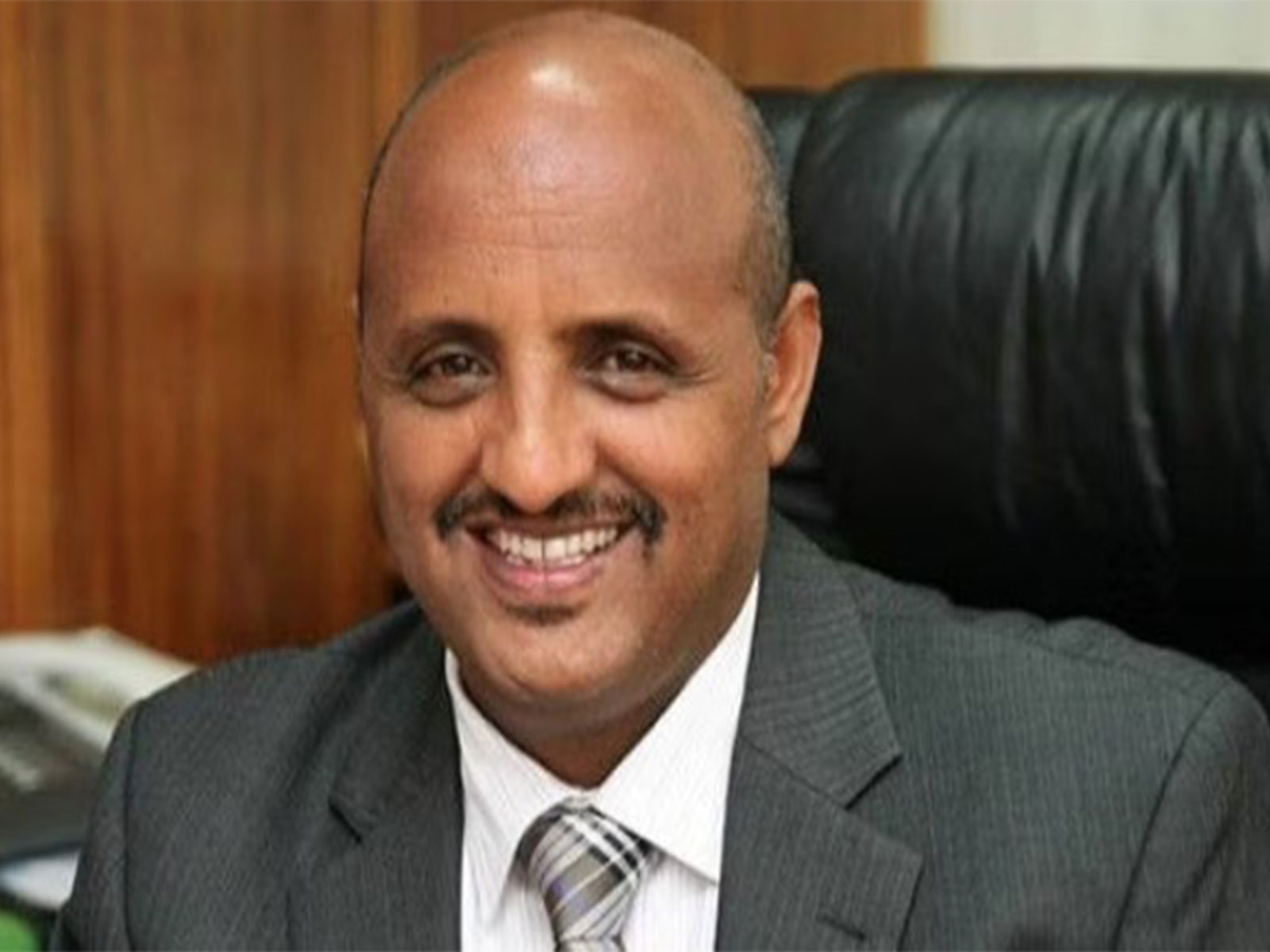
New Delhi: Air India will explore expanding its operations through airports in southern and eastern India, including Bengaluru, as it looks to mitigate the operational challenges arising from Pakistan’s airspace closure, the airline’s new CEO Tewolde Gebremariam said on Tuesday.
Making his first public appearance in India at Aviation India 2026, Gebremariam said the airspace restrictions had created a unique challenge for Air India, while its global competitors were not facing the same disadvantage.
“Airspace closure of Pakistan is a unique problem… our competitors are not affected by that problem,” he said, adding that the airline was looking at opportunities in the southern and eastern parts of the country, which are not affected by the restrictions in the same way.
“South eastern side is not affected by airspace closure, so we will focus on that. We are also exploring Bengaluru,” he said.
Pakistan has extended its ban on Indian aircraft until November 24, 2026.
The airline’s immediate priority, however, remains improving profitability and bringing down operating costs.
“I am constructively more impatient to make it (Air India) profitable than the shareholders,” said Gebremariam.
Gebremariam said Air India’s cost per available seat kilometre was higher than its revenue per available seat kilometre (RASK), making cost efficiency critical to its turnaround.
He also said a cross-functional team had been constituted to identify cost-saving opportunities, improve operational efficiency and explore synergies between Air India and Air India Express.
Air India CEO acknowledged foundations laid for transformation over the past four years, including fleet renewal, maintenance and training infrastructure.
He also indicated that the airline was in discussions with Airbus and Boeing to expand its wide-body aircraft orders, citing strong demand and India’s growing international passenger market. Air India already has an order book of 600 aircrafts.
Asked if he has the confidence of Tatas, Gebremariam said “100%”, while pointing that transformation could take 15-20 years for the airline.