
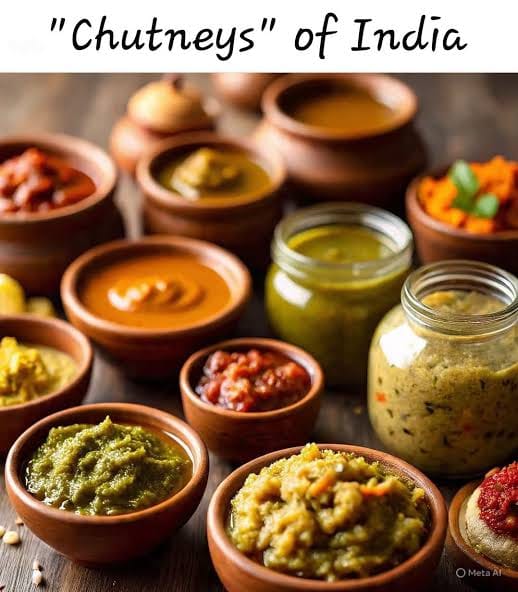
Indian cuisine is incomplete without chutneys. From a simple breakfast of parathas and idlis to elaborate lunch spreads featuring snacks, kebabs and traditional meals, these flavourful accompaniments add freshness, texture and character to everyday food. Prepared with fresh ingredients and aromatic spices, chutneys bring regional food traditions to life. Whether spicy, sweet, tangy or nutty, every variety has a distinct personality that can transform even the simplest meal into something special.
One of the most popular varieties is coriander-mint chutney, a refreshing blend of fresh coriander, mint leaves, green chillies, lemon juice and salt. Its tangy and spicy flavour makes it a favourite accompaniment for samosas, pakoras, sandwiches and kebabs. The freshness of the herbs plays an important role in its taste, while the right consistency makes it easy to spread or serve as a dip. Freshly ground ingredients make all the difference.
For those who enjoy a touch of sweetness, *tamarind-date chutney offers a delicious balance of sweet and sour flavours. Soaked tamarind and dates are blended with jaggery, roasted cumin, dry ginger and a pinch of black salt to create a thick preparation. Popularly served with chaats, dahi bhalla, papdi and Indian snacks, this chutney adds depth to dishes through its distinctive combination of sweetness and mild spice.
Coconut chutney, a staple in South Indian households, is prepared using fresh coconut, green chillies, roasted gram, ginger and water. A tempering of mustard seeds, curry leaves and dried red chillies adds another layer of flavour. Its creamy consistency and mild taste make it an ideal accompaniment to dosa, idli, medu vada and uttapam. A mixer grinder makes it convenient to achieve the smooth texture that gives this chutney its characteristic appeal.
The Surya mixer grinder, with its powerful 750W motor, stainless-steel jars and sharp grinding blades, offers convenient support for preparing smooth chutneys, pastes and everyday kitchen mixtures.
Another interesting option is peanut chutney, made by grinding roasted peanuts with garlic, red chillies, tamarind and salt. Its nutty taste and creamy texture make it an excellent accompaniment to dosa, idli and uttapam. In Maharashtra, dry peanut chutney is also a popular addition to traditional meals, particularly when served alongside bhakri.
For lovers of bold flavours, tomato-garlic chutney combines roasted tomatoes, garlic, red chillies and salt into a smoky, slightly tangy preparation. The ingredients can be lightly roasted before grinding to bring out their natural sweetness and aroma. This chutney pairs wonderfully with parathas, dosas, sandwiches and even simple dal-chawal.
Meanwhile, raw mango chutney brings a seasonal twist with its sharp, refreshing taste. Prepared using grated or chopped green mangoes, coriander, green chillies, cumin and a little jaggery, it creates an interesting balance of sourness, spice and sweetness. In many Indian households, mango chutney is also prepared with mustard seeds and traditional spices, making it a favourite during summer.
Beyond these popular varieties, Indian kitchens also offer regional specialities such as garlic chutney from Rajasthan and Maharashtra, sesame chutney from southern India and curry-leaf chutney, which adds an earthy flavour to everyday meals. Each preparation reflects local ingredients, culinary habits and generations of food traditions.
From spicy and tangy to sweet and nutty, chutneys reflect India’s remarkable regional food diversity. The simple process of grinding fresh ingredients allows home cooks to experiment with textures, flavours and combinations. Whether prepared for a festive gathering or an ordinary weekday breakfast, these accompaniments continue to hold a special place on Indian dining tables. Sometimes, it is these little additions that turn an ordinary meal into a memorable culinary experience.