
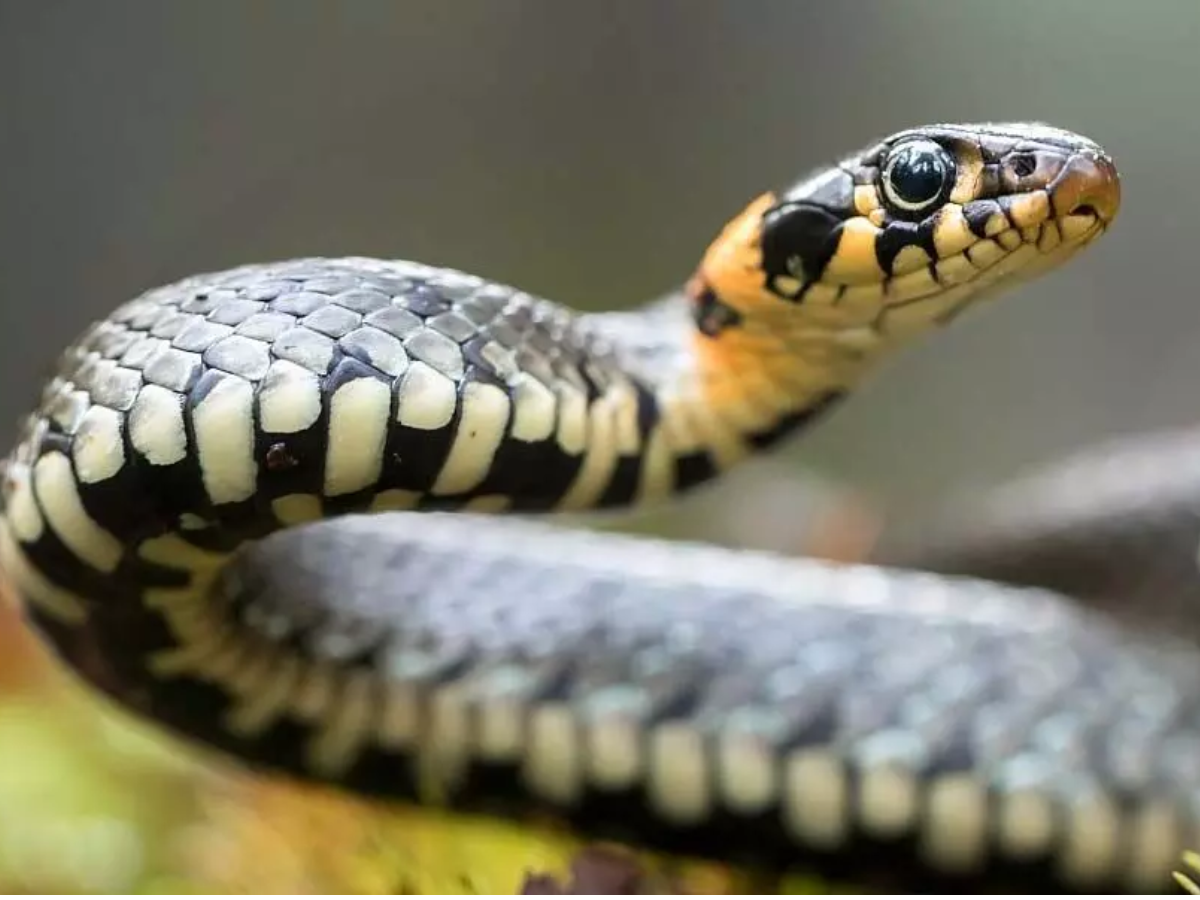
The onset of monsoon is marked by rains and waterlogging, which disturb the typical habitats of snakes. With their burrows getting flooded, snakes are driven to find drier locations commonly leading them perilously close to human dwellings, particularly those in the vicinity of gardens, fields, or thick greenery. Such seasonal movement raises the possibility of snake sightings and snakebite cases in and around residences during the rainy season.
Whereas snakes can create fear and panic, it is essential to remain composed if you see one or, God forbid, are bitten. Being aware of basic first aid and safety measures can be a lifesaver.
Why Snake Bites Increase in Monsoon
During monsoon, waterlogging occupies the natural hideaways of snakes like holes and burrows. To escape drowning, they take refuge to higher and drier ground and, in the process, intrude into residential areas. The profuse vegetation of grass and plants during the season also offers snakes increased cover and grounds for hunting, resulting in increased encounters with humans. Snake bites are especially risky since most snakes are venomous, which demands prompt medical treatment.
ALSO READ: Disha ‘Dayaben’ Vakani Reunites with TMKOC Producer Asit Kumarr Modi for Emotional Raksha Bandhan
Expert Advice on What to Do If Bitten
Dr. Amin Kaba, Consultant in Paediatric Medicine at Narayana Health SRCC Children’s Hospital, Mumbai, warns against common mistakes after snake bites. He says, “Avoid trying to suck out venom or applying ice directly on the bite. Most importantly, do not panic; staying calm helps slow down the venom’s spread.”
He stresses that snake bites can be life-threatening and urgent treatment with anti-venom is often necessary. “Timely medical attention with anti-venom and supportive care significantly reduces risks of complications. Delaying hospital visits can lead to severe, life-threatening outcomes,” Dr. Kaba adds.
First Aid Steps to Follow
- Wash the wound: Rinse the bite area gently under running water for about 10 minutes. Do not rub.
- Avoid tourniquets or cutting the wound: These practices can worsen the injury and cause more harm.
- Immobilize the affected limb: Keep the bitten area as still as possible to slow venom circulation.
- Seek immediate medical care: Go to the nearest hospital or emergency center without delay.
Symptoms of Venomous Snake Bites
- Severe pain and swelling at the bite site
- Nausea, vomiting, or abdominal cramps
- Difficulty breathing or blurred vision
- Blood clotting issues or excessive bleeding
- Paralysis in severe cases
Dos and Don’ts to Prevent Snake Encounters During Monsoon
Do:
- Keep your yard clean and grass trimmed short to reduce hiding spots.
- Seal any gaps in doors or windows to prevent snakes entering your home.
- Use mosquito nets on beds as a protective barrier.
- Wear shoes when walking in high grass or fields.
- Use a torch or flashlight when walking outdoors at night.
Don’t:
- Do not try to attack or kill snakes; instead, calmly walk away.
- Avoid leaving garbage or debris lying around that can attract rodents, a food source for snakes.
- Do not ignore signs of rodent or bat infestations, which increase snake presence.
- Refrain from relying on herbal or unproven remedies after a bite.
- Never pick up dead snakes, as they can still be venomous.