
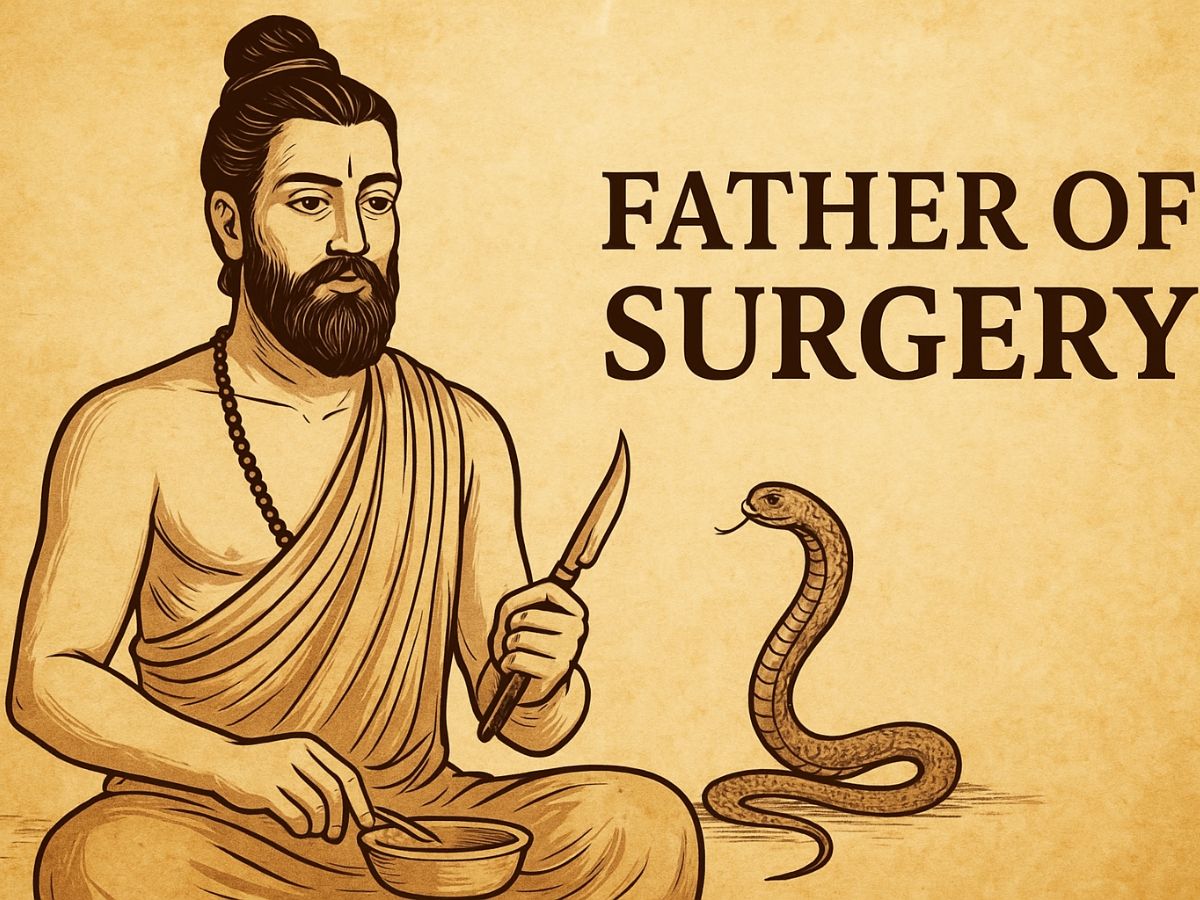
The Sushruta Samhita is one of the oldest known texts on medicine and surgery, dating back to around 600 BCE in ancient India. Attributed to the legendary physician Sushruta, it is considered a cornerstone of Ayurvedic medicine. The text provides detailed instructions on surgical techniques, anatomy, patient care, and holistic healthcare practices, making it a timeless guide for medical knowledge.
The Author: Sage Sushruta
Sushruta, often called the “Father of Surgery,” was a pioneering surgeon and scholar. He meticulously documented surgical procedures, instruments, and patient management, establishing practices that were far ahead of his time. His teachings emphasized practical learning, encouraging students to practice on cadavers before performing surgery on living patients, ensuring safety and precision.
Key Contributions to Medicine and Surgery
Surgical Techniques: The Sushruta Samhita describes over 120 surgical procedures, including cataract surgery, rhinoplasty, and fracture management. Sushruta also introduced specialized surgical instruments such as scalpels, forceps, and needles, many of which were unique innovations for that era.
Anatomical Knowledge: Sushruta provided detailed insights into human anatomy, covering the skeletal, muscular, and vascular systems. He emphasized careful observation and a deep understanding of body structures before performing surgery, laying the foundation for systematic anatomical study.
Principles of Treatment: The text focuses on prevention, diagnosis, and therapeutic care. Sushruta stressed the importance of cleanliness, proper diet, and lifestyle in maintaining health, combining surgical expertise with a holistic approach to patient well-being.
Use of Medicinal Plants: The Sushruta Samhita documents over 700 medicinal plants, minerals, and animal products for therapeutic purposes. Sushruta combined herbal medicine with surgical interventions to ensure comprehensive healing, reflecting his integrated approach to medicine.
Practical Surgical Training
Sushruta emphasized hands-on learning, guiding students through procedures such as cataract surgery, plastic surgery, and reconstructive operations. His approach to surgical education—practicing on cadavers and understanding each tool’s function—remains relevant in modern medical training.
Holistic Approach to Health
The text highlights overall well-being, emphasizing the interconnectedness of physical, mental, and environmental factors. Sushruta advocated a lifestyle combining diet, exercise, herbal remedies, and patient-centered care, promoting preventive healthcare along with surgical treatment.
Influence on Modern Medicine
The principles outlined in the Sushruta Samhita surgical precision, careful observation, and comprehensive patient care continue to inspire medical professionals today. Many of Sushruta’s surgical techniques, particularly in plastic surgery and ophthalmology, are still referenced in modern practice, reflecting the enduring impact of his work.
Also Read: When Maps Fail: 5 Cities That Can Leave You Completely Confused